
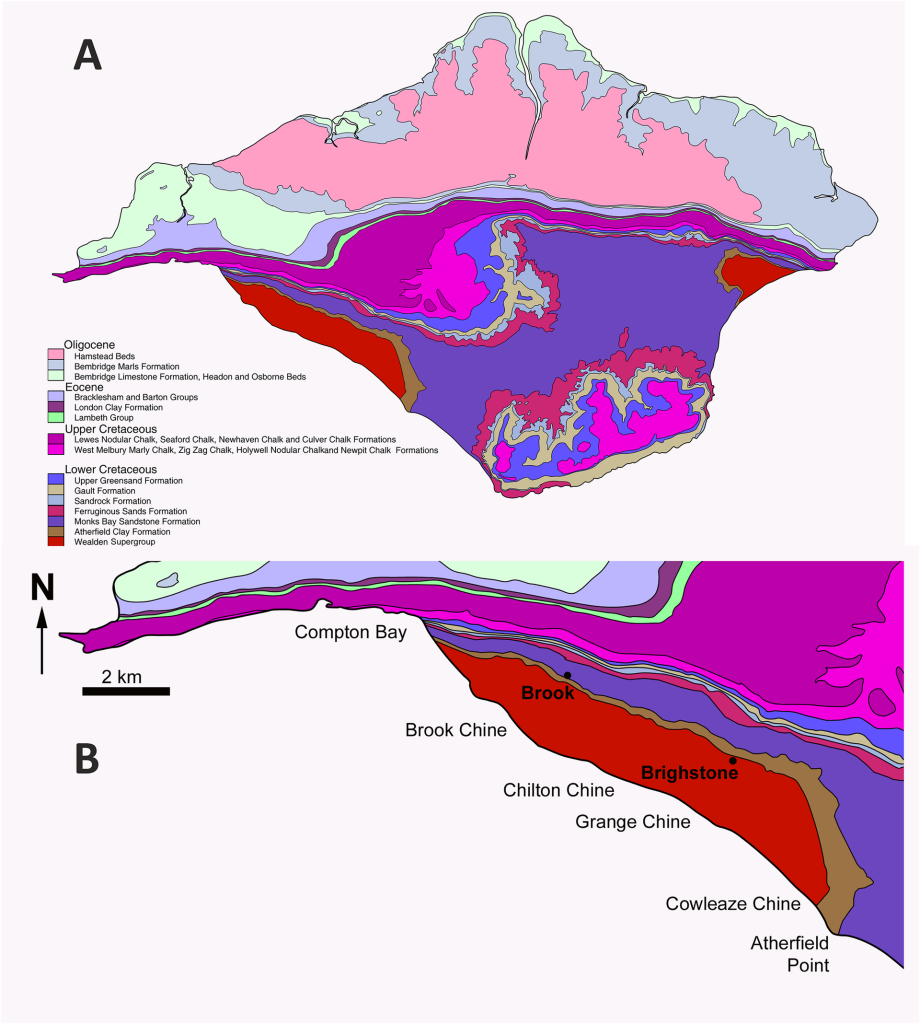
Along the southwest coast of the Isle of Wight, the Wessex Formation has given up a small fossil with a tangled history. Ornithodesmus cluniculus is known from a single sacrum—the fused block of vertebrae that anchors the hips—found at a locality recorded only as “Brook.” It dates to the Early Cretaceous, probably the Barremian stage, and paleontologists now regard it as a small theropod. Most recent studies treat it as a dromaeosaurid, a member of the “raptor” family, although its exact place is still debated.
Paleontologist Harry Govier Seeley named the animal in 1887, believing it was probably a primitive bird. Fourteen years later, however, the name had passed to a pterosaur, and in 1930 the original sacrum was folded into that species. Only in 1993 did paleontologists Stafford Howse and Andrew Milner show that the bone came from a theropod dinosaur. Its story shows how badly a single bone can mislead—and how much it can still reveal when someone studies it again.
Ornithodesmus Key Facts
| Keyword | Fact |
|---|---|
| Pronunciation | Not specified |
| Meaning of name | Not specified |
| Group | Theropoda |
| Type Species | Ornithodesmus cluniculus |
| Diet | Not specified |
| When it Lived | About 126 to 121 MYA (probably Barremian, possibly slightly older) |
| Period | Cretaceous |
| Epoch | Early Cretaceous (Barremian stage) |
| Length | Up to about 4.9 feet (1.5 meters), estimated from the sacrum |
| Height | Not specified |
| Weight | Not specified |
| Mobility | Not specified |
| First Discovery | Before 1887 (Fox collection) |
| Described by | 1887 by H.G. Seeley |
| Holotype | NHMUK PV R 187 (formerly BMNH R187) |
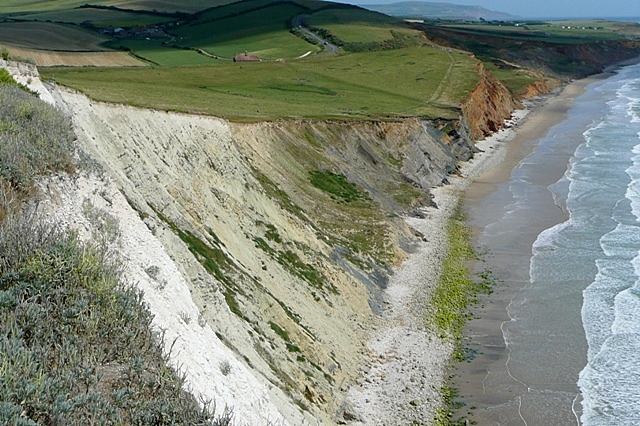
| Location of first find | “Brook” (probably Compton Bay), Wessex Formation, Isle of Wight, England |
Ornithodesmus Origins, Taxonomy and Timeline
Seeley’s paper never explains the name Ornithodesmus, and the species name cluniculus goes unexplained too. What Seeley did write is telling, however. He concluded that the animal “is probably a bird,” yet one that seemed to be “a link towards lower forms.” Together, these lines record his view in 1887—a bird that edged toward the dinosaurs.
Today, Ornithodesmus sits within Theropoda, and in 1993 Howse and Milner found it closest to the troodontid Saurornithoides. They placed it in the family Troodontidae, though only “with uncertainty.” Most later authors, however, treat it as a dromaeosaurid. In 2019, paleontologist Scott Hartman and colleagues recovered it, together with Pyroraptor, as an unenlagiine. Most studies class unenlagiines as dromaeosaurids. In that analysis, however, they formed a group that sat beside dromaeosaurids and troodontids combined, outside the dromaeosaurid family itself. Ornithodesmus cluniculus is the type and only known species.
The Wessex Formation is mostly Barremian, although its lowest exposed beds may reach into the older Hauterivian stage. Because the bed that produced the sacrum is unknown, its age cannot be pinned down more closely. Throughout this time, the region had a warm-to-hot climate with periods of aridity.
Discovery & Fossil Evidence
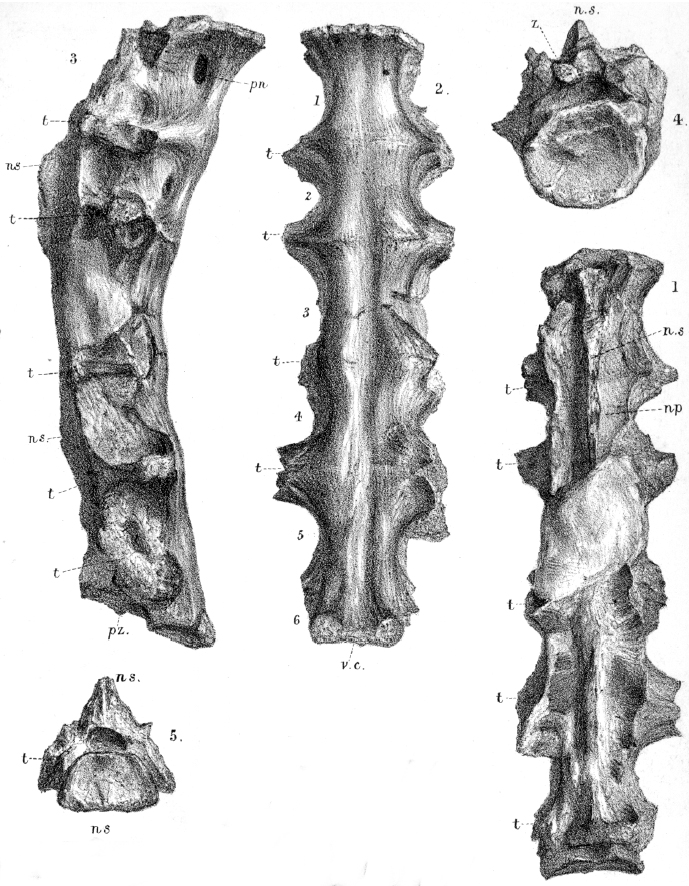
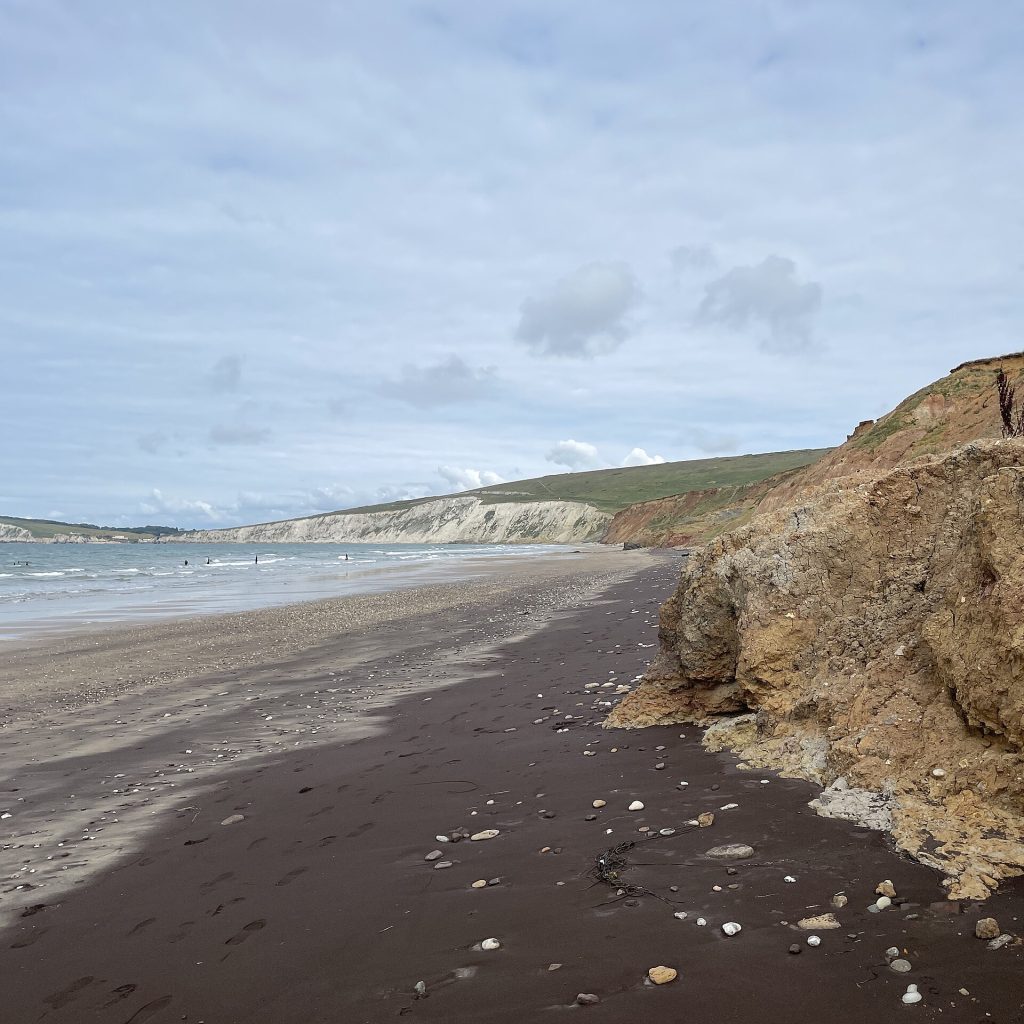
Seeley described the specimen in a paper read on 9 March 1887. By then it was in the Fox collection of the British Museum. The records do not say who found it, or when. Its locality was given only as “Brook,” which Howse and Milner suggested was probably Compton Bay. Seeley’s single plate shows the sacrum from several angles, beside the end of a penguin’s last sacral vertebra.

The fossil’s identity soon began to wander, and in 1888 Richard Lydekker cataloged it as an indeterminate reptile. Then, in 1901, Seeley placed a pterosaur, Ornithodesmus latidens, in the same genus. In 1930, Plieninger merged cluniculus into that species, so Ornithodesmus passed for a flying reptile for most of the twentieth century. Eventually, Howse and Christopher Bennett of the University of Kansas each re-examined the sacrum. Both concluded that it did not resemble a pterodactyloid pterosaur’s. The pterosaur later received its own genus, Istiodactylus, in 2001.
The holotype, NHMUK PV R 187 (formerly BMNH R187), belongs to the Natural History Museum in London. It is a poorly preserved sacrum of six fused vertebrae, 96 millimeters (3.8 inches) long, which Howse and Milner called the “holotype and only specimen.” In 2022, paleontologist Nicholas Longrich and colleagues suggested that a small tibia (shin bone) reported by Lydekker in 1891 may represent Ornithodesmus. They also linked an isolated tooth to another dromaeosaurid, perhaps this one, but neither find has been formally referred to the genus. No additional specimens of Ornithodesmus have been confirmed.

Ornithodesmus Size and Description
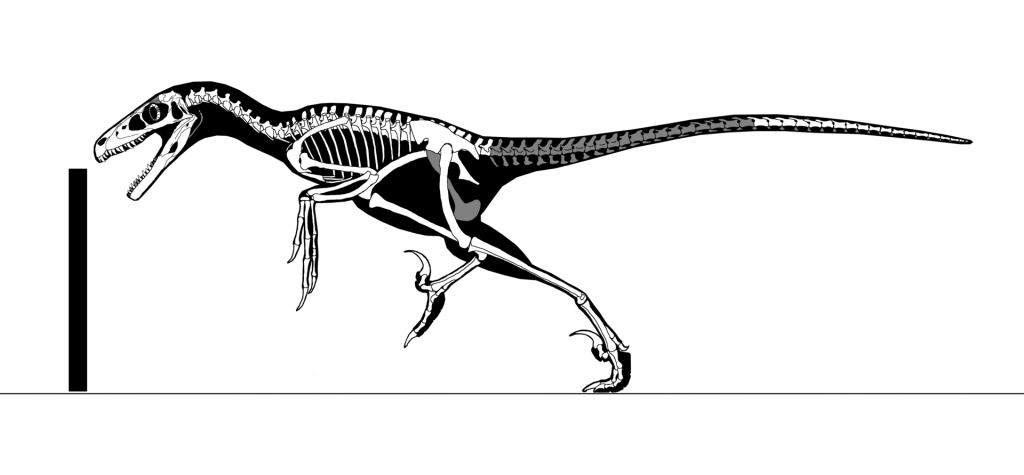
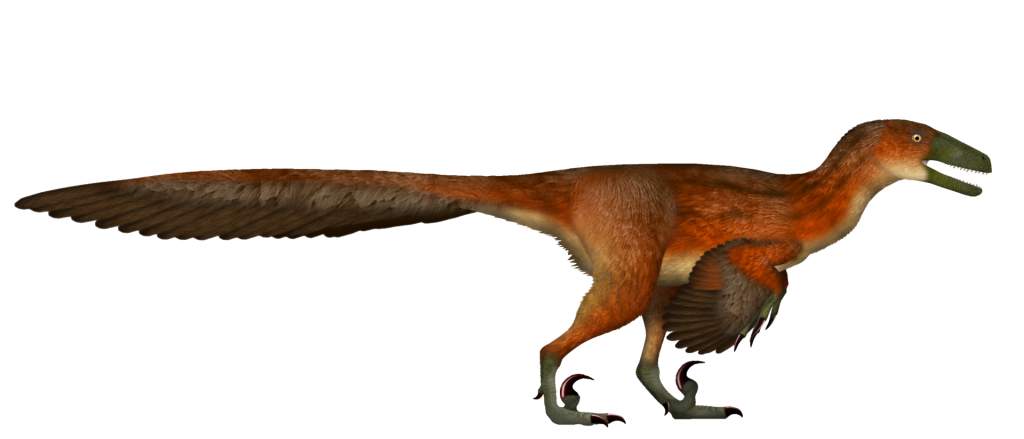
With only the hip region to work from, every picture of Ornithodesmus rests heavily on comparison with its relatives.
Short description of Ornithodesmus
The six sacral vertebrae are “perfectly anchylosed” (fused), as Seeley put it, into a slightly arched and entirely rigid unit. Measured along the underside, the centra (vertebral bodies) run 17, 16, 18, 15, 16 and 13 millimeters from front to back. The first two each carry a pair of pneumatic foramina (openings for air sacs) set in deep hollows. Behind the first vertebra, the centra have flat undersides, grooved from the second vertebra to the back of the sixth.
Above, the neural spines merge into a continuous blade. Horizontal sheets of bone flank that blade—a structure Seeley called the “neural platform,” a term Howse and Milner kept. Seeley measured the front face of the first centrum at a full 15 millimeters deep and 20 millimeters wide. The skull, limbs, tail and skin are all unknown, so any reconstruction beyond the hips is speculative.
Size and Weight of Type Species
Howse and Milner estimated that Ornithodesmus reached “no more than one-and-a-half metres for an adult”—up to about 4.9 feet (1.5 meters). That figure is an indirect estimate, which they obtained by scaling the sacrum against those of other small theropods. In 2022, Darren Naish and Andrea Cau arrived at the same length of approximately 1.5 meters from the 96-millimeter bone.
Full fusion of all six sacrals indicates maturity—Naish and Cau call it an “apparent adult.” According to Howse and Milner, it was considerably smaller than ornithomimids, whose adults reached 9.8 feet (3 meters) or more. Instead, it was “of similar size to troodontids.” By comparison, the sacrum of Saurornithoides junior, their main point of reference, is about twice as long at 199 millimeters.
No study has published a weight or hip height for Ornithodesmus. Until more bones turn up, its estimated length remains the only measure of its size.
The Dinosaur in Detail
What sets this dinosaur apart is the build of its hips—the only part of it anyone has found. Howse and Milner based their diagnosis on two traits. All six sacral vertebrae fuse completely in a sacrum under 100 millimeters long, and the sixth is shorter than the fifth. That second trait separates it from Saurornithoides, the troodontid it otherwise most resembled. However, they also called O. cluniculus “a nomen vanum … within the family Troodontidae.” No other troodontid genus then had a known sacrum, so they could not diagnose it against other troodontids. Even so, they kept the genus and gave it a formal diagnosis—though they called its key trait only “notional.”
Later work reshaped that picture. In 1997, paleontologists Mark Norell and Peter Makovicky argued that the troodontid placement rested on similarities with a sacrum of the dromaeosaurid Saurornitholestes langstoni. Howse and Milner had “erroneously interpreted” that bone “as being from a troodontid,” they wrote. They also noted that fused zygapophyses (the joints linking neighboring vertebrae) form a “sinuous ridge” on each side of the spine. That ridge, in their words, is “only well developed in dromaeosaurs and the fragmentary type of Ornithodesmus.”

In 2022, Longrich and colleagues called its affinities “uncertain” but wrote that it “appears to represent a dromaeosaurid.” They added that its air-filled front sacrals suggest pneumatic openings reached the rear back vertebrae, a feature they likened to eudromaeosaurs, an advanced dromaeosaurid subgroup. They also noted that Hartman’s 2019 study was, to date, the only phylogenetic analysis to include it. Meanwhile, they argued it differs from Vectiraptor, another Wessex dromaeosaurid—though “it remains possible that they are related.”
Together, these studies have moved Ornithodesmus from bird to pterosaur to troodontid and, most often today, to dromaeosaurid. Its exact branch on that family tree remains an open question.
Interesting Points about Ornithodesmus
- Seeley wrote in 1887 that, if American dinosaurs with air-filled vertebrae were any guide, nothing in their sacra allied this one with the dinosaurs. He then compared it at length with a penguin.
- From the shape of the last sacral vertebra, Seeley suggested that “the tail was not unlike that of a Penguin,” an idea long since abandoned.
- The pterosaur once called Ornithodesmus latidens now has its own genus, Istiodactylus, with a separate holotype, NHMUK R176.
- If it was a troodontid, Howse and Milner noted in 1993, it would be the family’s earliest record and the first from Europe’s Wealden.
- The Natural History Museum’s collection database currently records the holotype under Dromaeosauridae.
Dinosaurs from the Same Formation
Also known from the Wessex Formation (exact level relative to Ornithodesmus not known): Vectiraptor, Neovenator, Eotyrannus, Invictibellatrix, Hypsilophodon and Polacanthus. Vectiraptor is a dromaeosaurid from Compton Bay, while Neovenator was a large carcharodontosaurian (an allosauroid predator). Eotyrannus is a tyrannosauroid about 14.8 feet (4.5 meters) long, and Invictibellatrix is a megaraptoran. Rounding out the list are Hypsilophodon, a small ornithopod from the top of the formation, and Polacanthus, an armored dinosaur. The formation is mostly Barremian and may reach into the Hauterivian. It therefore spans several million years, so these animals may not all have lived at the same time.
Ornithodesmus in its Natural Habitat
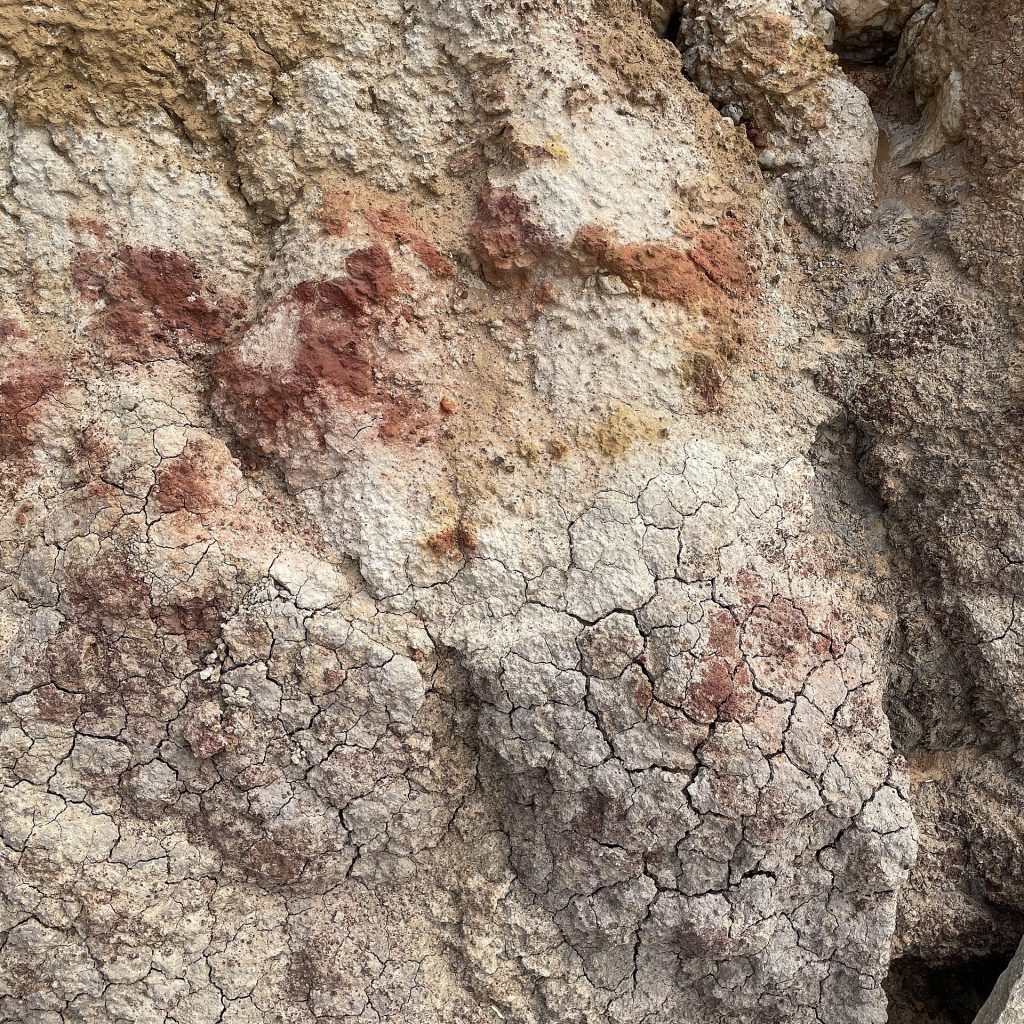
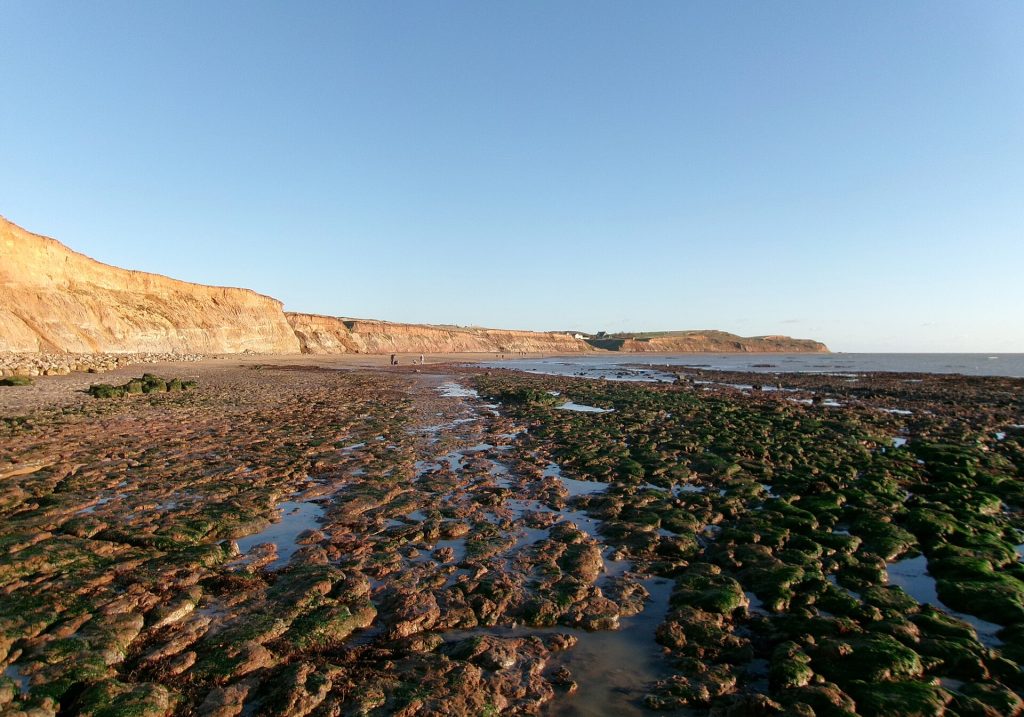
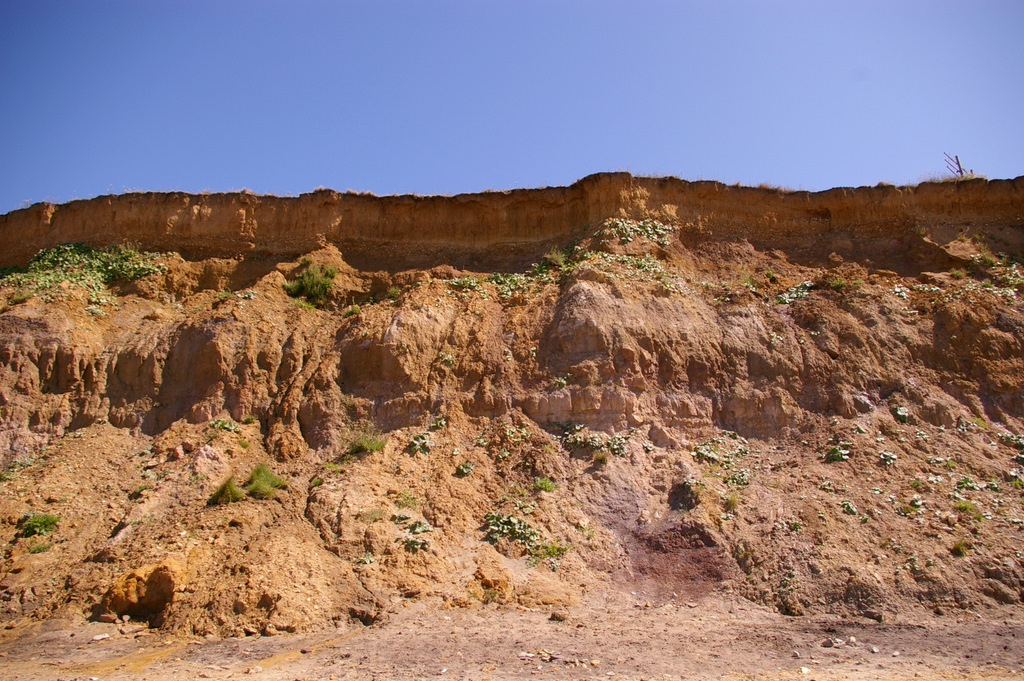
The world Ornithodesmus inhabited was a floodplain within a narrow valley, crossed by a perennial, highly sinuous river that flowed from west to east. Purple-red mudstones and sandstones record that landscape, while calcrete nodules (lime-rich soil lumps) point to a semi-arid climate. Drought-adapted ferns and conifers such as Pseudofrenelopsis grew there. Flash floods filled hollows such as oxbow lakes with plant debris. These beds make up only a small part of the rock—yet they have yielded most of its vertebrate fossils, dinosaurs included.

What Ornithodesmus ate is unknown, because the sacrum preserves no teeth or jaws. Isolated teeth referred to Dromaeosauridae show that small raptor-like theropods were part of the Wessex fauna. Those teeth remain unnamed, however, and none has been firmly tied to this genus.
While there is no direct evidence of how Ornithodesmus lived, its setting offers some context. Morrison and colleagues found observed theropod diversity highest in the lowland or coastal beds L1–8. It dipped slightly from bed L9 upward and rose again from L14. Without a known bed, however, Ornithodesmus has no place on that curve. For now, its role in this ecosystem remains open—a small theropod known by its hips alone.
Ornithodesmus Gallery
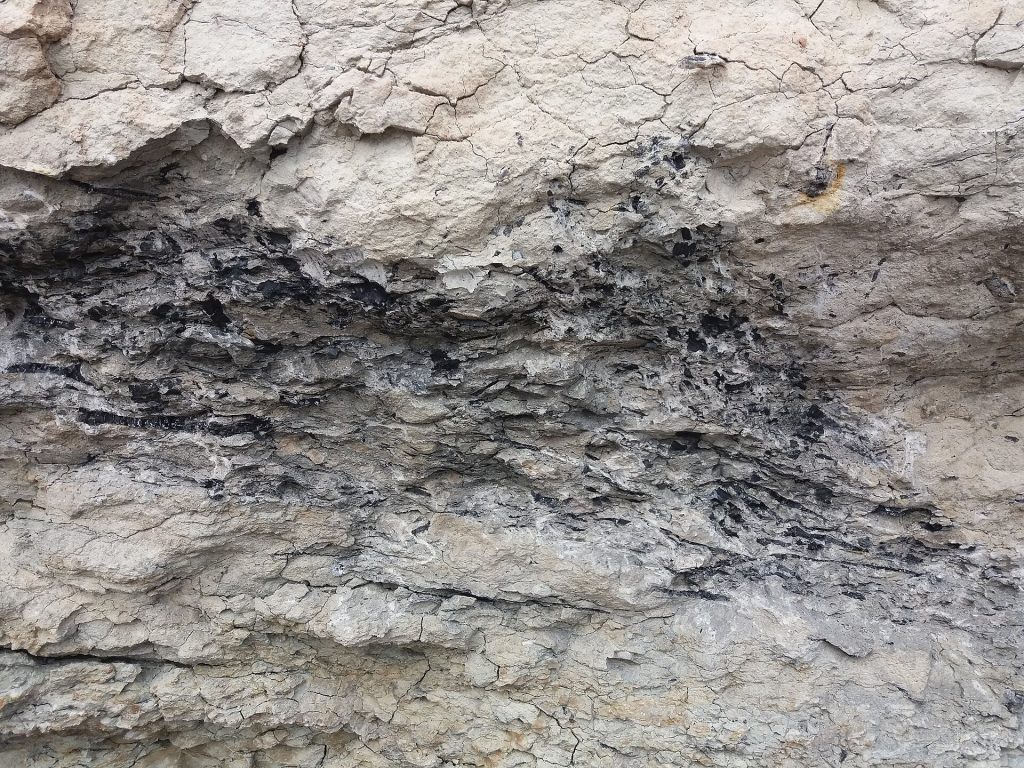
These images show the coast, rocks and relatives that frame the story of Ornithodesmus.






Frequently Asked Questions
It was a small theropod, most often regarded as a dromaeosaurid, although a 1993 study placed it with the troodontids.
It lived in the Early Cretaceous, probably in the Barremian stage, roughly 126 to 121 million years ago.
Estimates from its 96-millimeter sacrum suggest a length of up to about 4.9 feet (1.5 meters). No weight has been published.
It came from the Wessex Formation at “Brook,” probably Compton Bay, on the Isle of Wight, England.
No. The name was once applied to a pterosaur, but that species is now Istiodactylus, and the original sacrum belongs to a theropod.
Its diagnosis rests on two traits. All six sacral vertebrae are fully fused in a sacrum under 100 millimeters long, and the sixth is shorter than the fifth. Howse and Milner admitted these set it apart only from Saurornithoides.
Sources
The information in this article is based on various sources, drawing on scientific research, fossil evidence, and expert analysis. The aim is to provide a comprehensive and accurate overview of Ornithodesmus. However, please be aware that our understanding of dinosaurs and their world is constantly evolving as new discoveries are made.
- https://zenodo.org/records/2017266
- https://doi.org/10.1144/GSL.JGS.1887.043.01-04.19
- https://archive.org/details/palaeontology36121993pala
- https://www.palass.org/publications/palaeontology-journal/archive/36/2/article_pp425-437
- https://digitallibrary.amnh.org/handle/2246/3557
- https://doi.org/10.7717/peerj.7247
- https://doi.org/10.1016/j.cretres.2021.105123
- https://researchportal.port.ac.uk/en/publications/a-new-dromaeosaurid-dinosaur-from-the-wessex-formation-lower-cret/
- https://researchportal.bath.ac.uk/en/publications/a-new-dromaeosaurid-dinosaur-from-the-wessex-formation-lower-cret/
- https://doi.org/10.7717/peerj.12727
- https://doi.org/10.1098/rsos.260937
- https://doi.org/10.1371/journal.pone.0033170
- https://doi.org/10.1144/jgs2024-046
- https://doi.org/10.1080/14772019.2021.1978005
- https://doi.org/10.1038/s41598-021-97870-8
- https://www.biodiversitylibrary.org/part/173868
- https://stratigraphy.org/ICSchart/ChronostratChart2024-12.pdf
- https://data.nhm.ac.uk/dataset/collection-specimens/resource/05ff2255-c38a-40c9-b657-4ccb55ab2feb/record/467275
This article was last fact checked: TheDinosaurs Team, 25-11-2026
Featured Image Credit: The Trustees of the Natural History Museum, London, CC BY 4.0, via Wikimedia Commons
