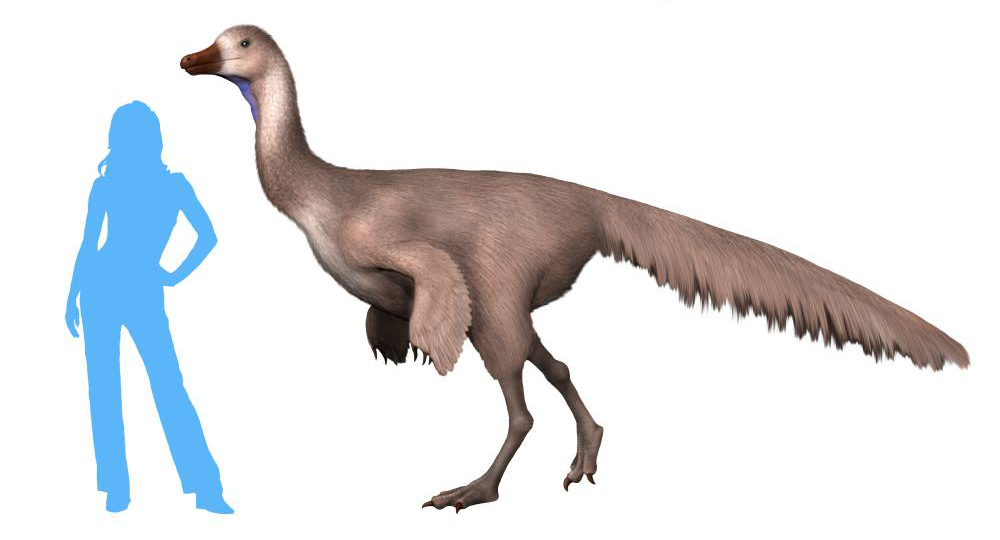
Arkansaurus | Ostrich-Mimic of Arkansas’s Early Cretaceous
Meet Arkansaurus, Arkansas’s state dinosaur, an Early Cretaceous ostrich-mimic known only from one foot found in a gravel pit in 1972.

 TheDinosaurs Team

Meet Arkansaurus, Arkansas’s state dinosaur, an Early Cretaceous ostrich-mimic known only from one foot found in a gravel pit in 1972.
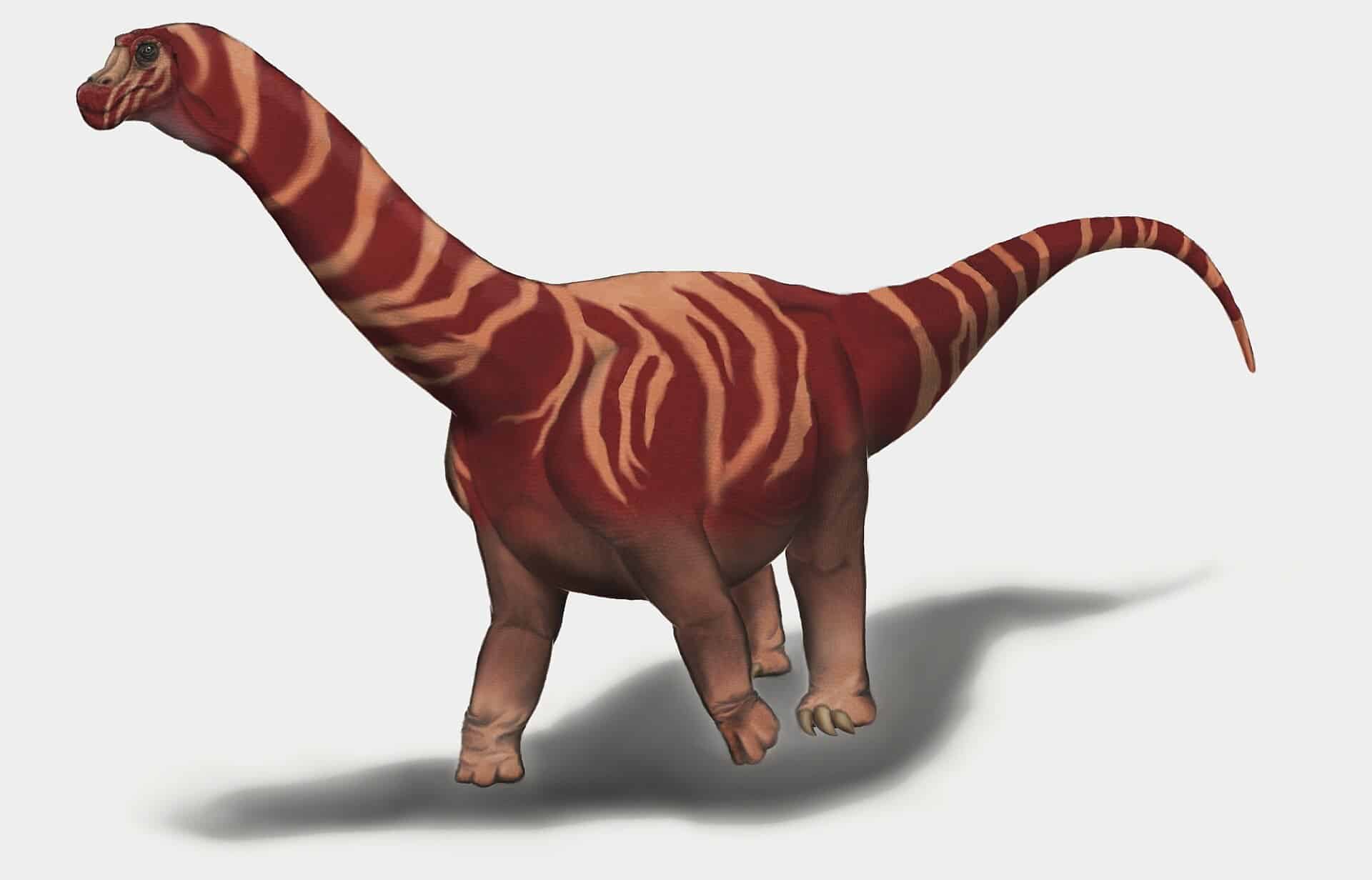
Meet Nemegtosaurus, a Mongolian titanosaur known best from one superb skull and at the center of a long-running debate over the rest of its body.
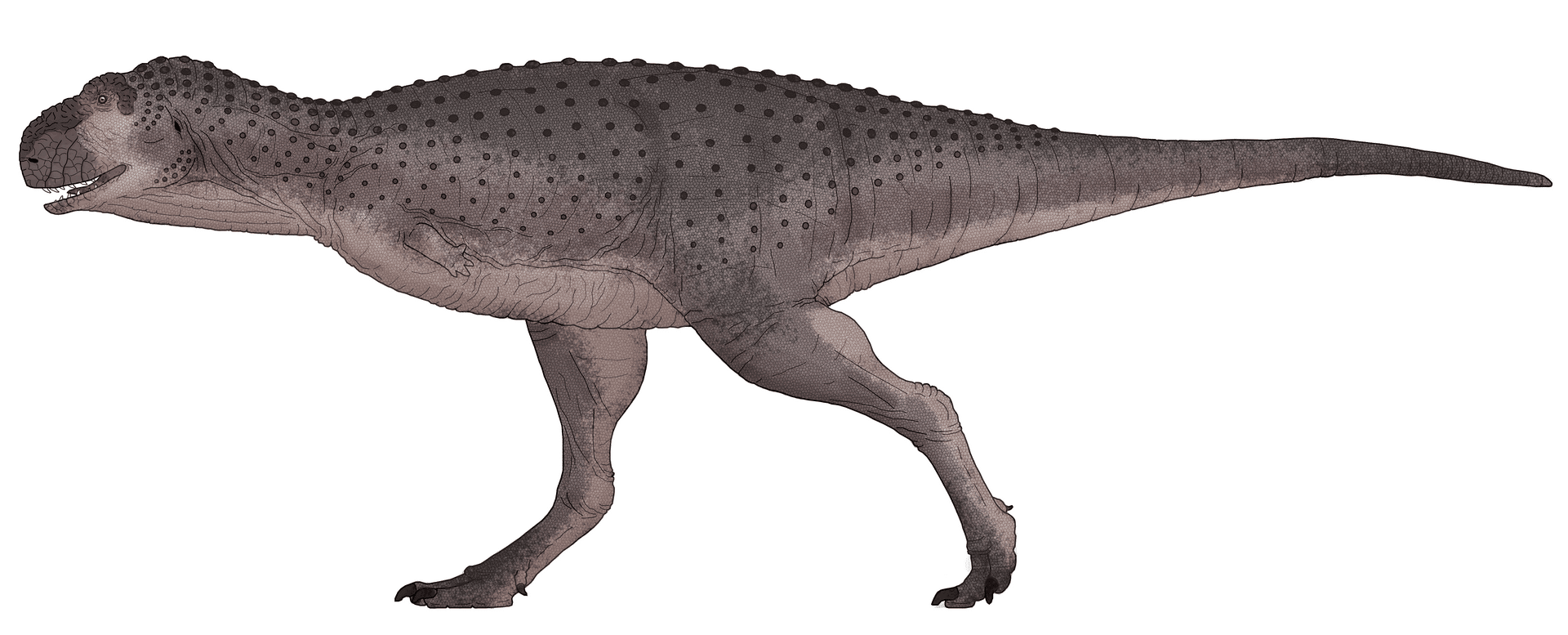
Meet Thanos, a meat-eating abelisaurid from Late Cretaceous Brazil, known from a single neck bone that took nearly two decades to recover.
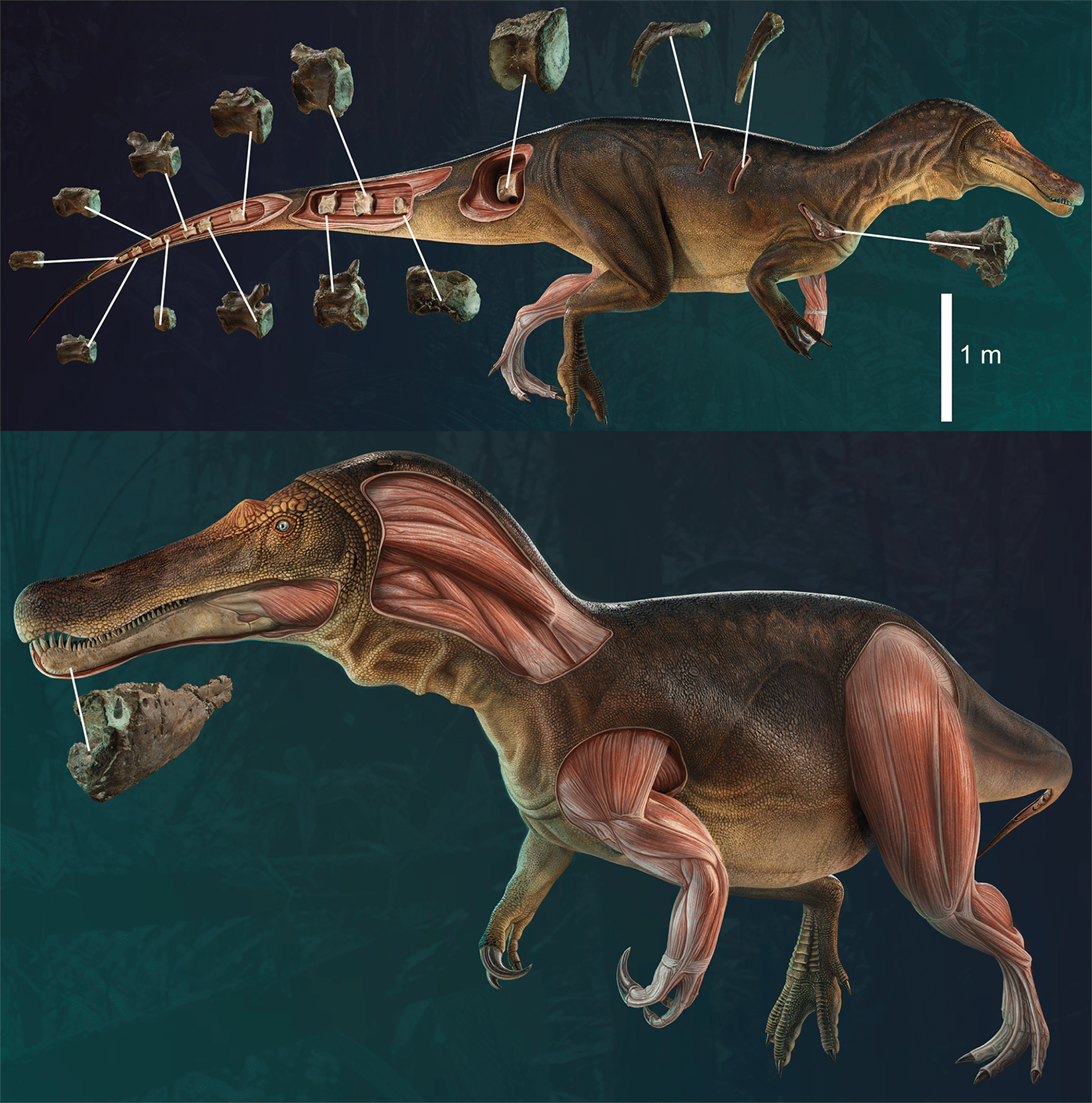
Meet Iberospinus, a medium-sized spinosaurid from Portugal’s early Barremian coast whose place in the spinosaur family tree is still debated.
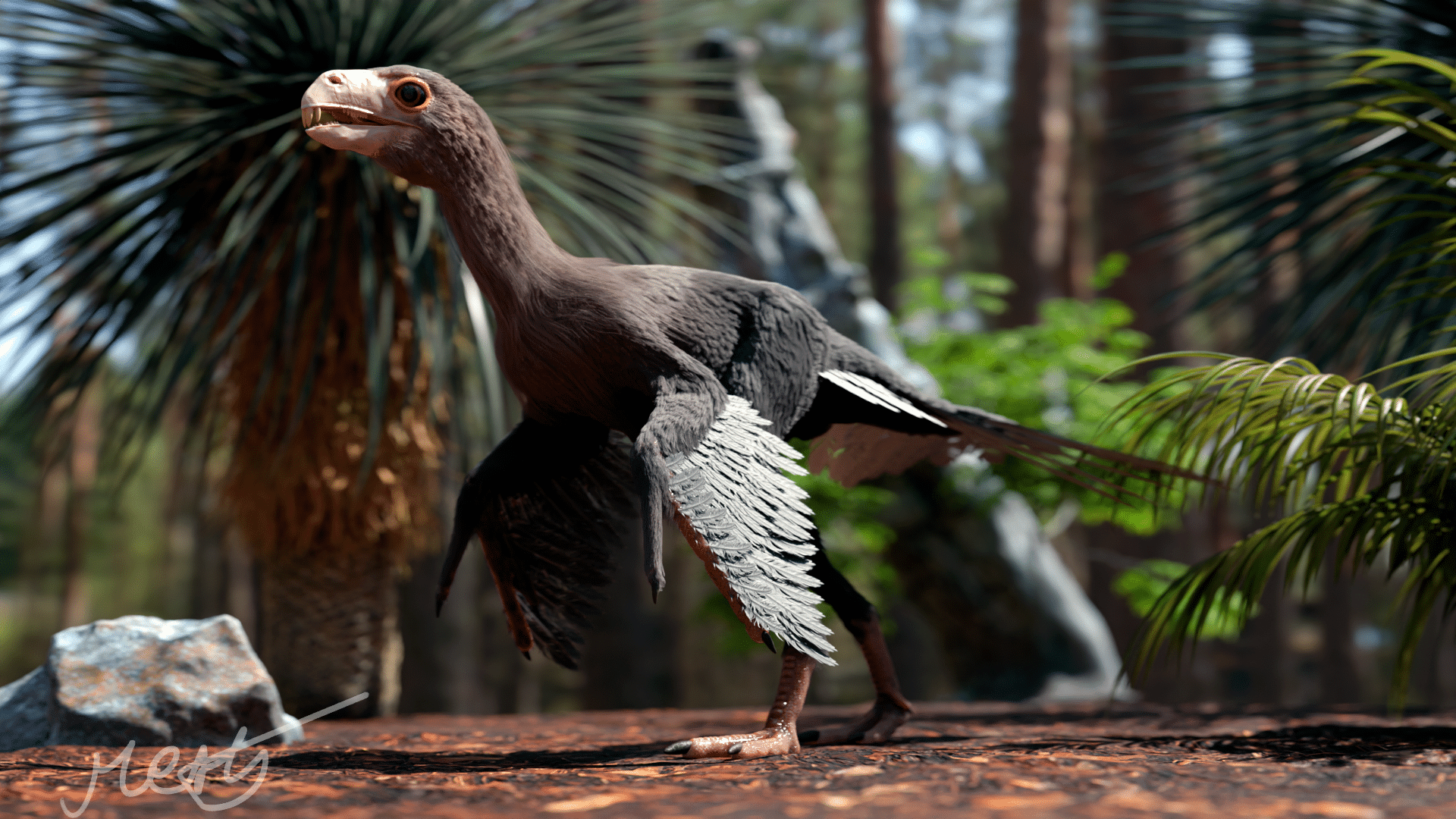
Meet Incisivosaurus, an early oviraptorosaur from China’s Early Cretaceous whose rodent-like front teeth hint that some theropods ate plants.
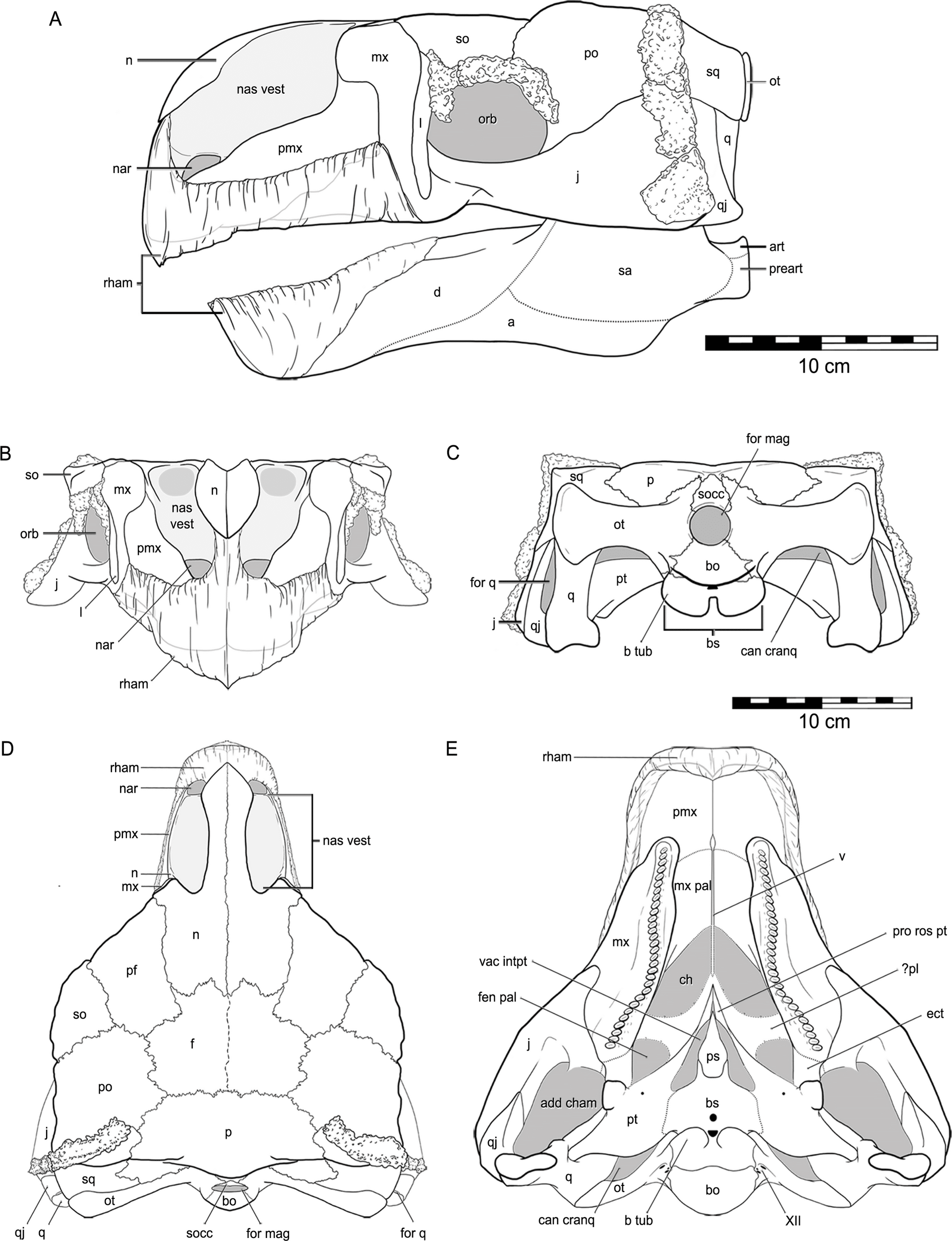
Meet Kunbarrasaurus, a small armored dinosaur from Early Cretaceous Queensland, found upside down in marine rock with most of its skull intact.
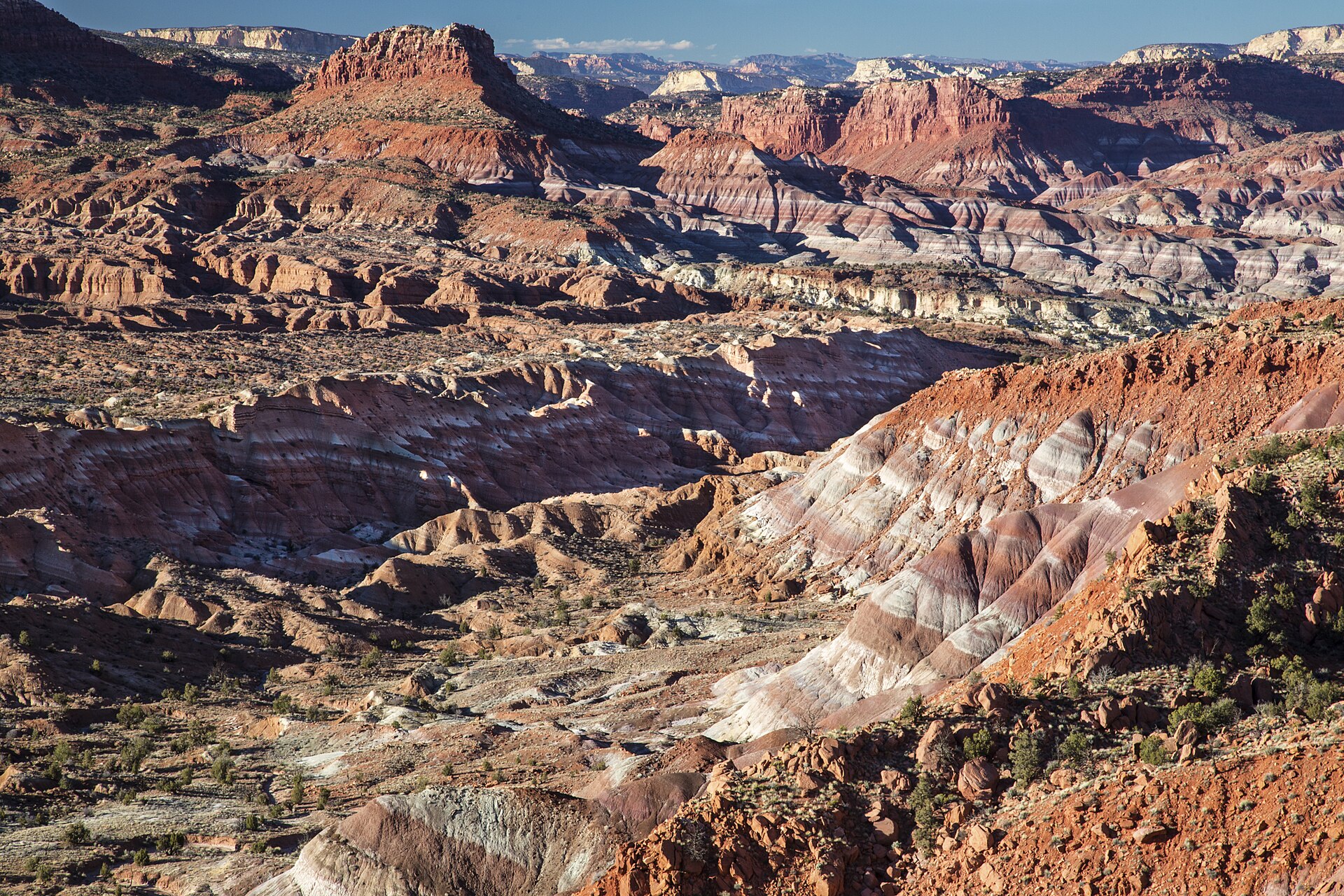
Grand Staircase-Escalante in southern Utah has yielded dinosaurs known from nowhere else. In July 2026, a presidential proclamation cut the monument by about 90 percent.
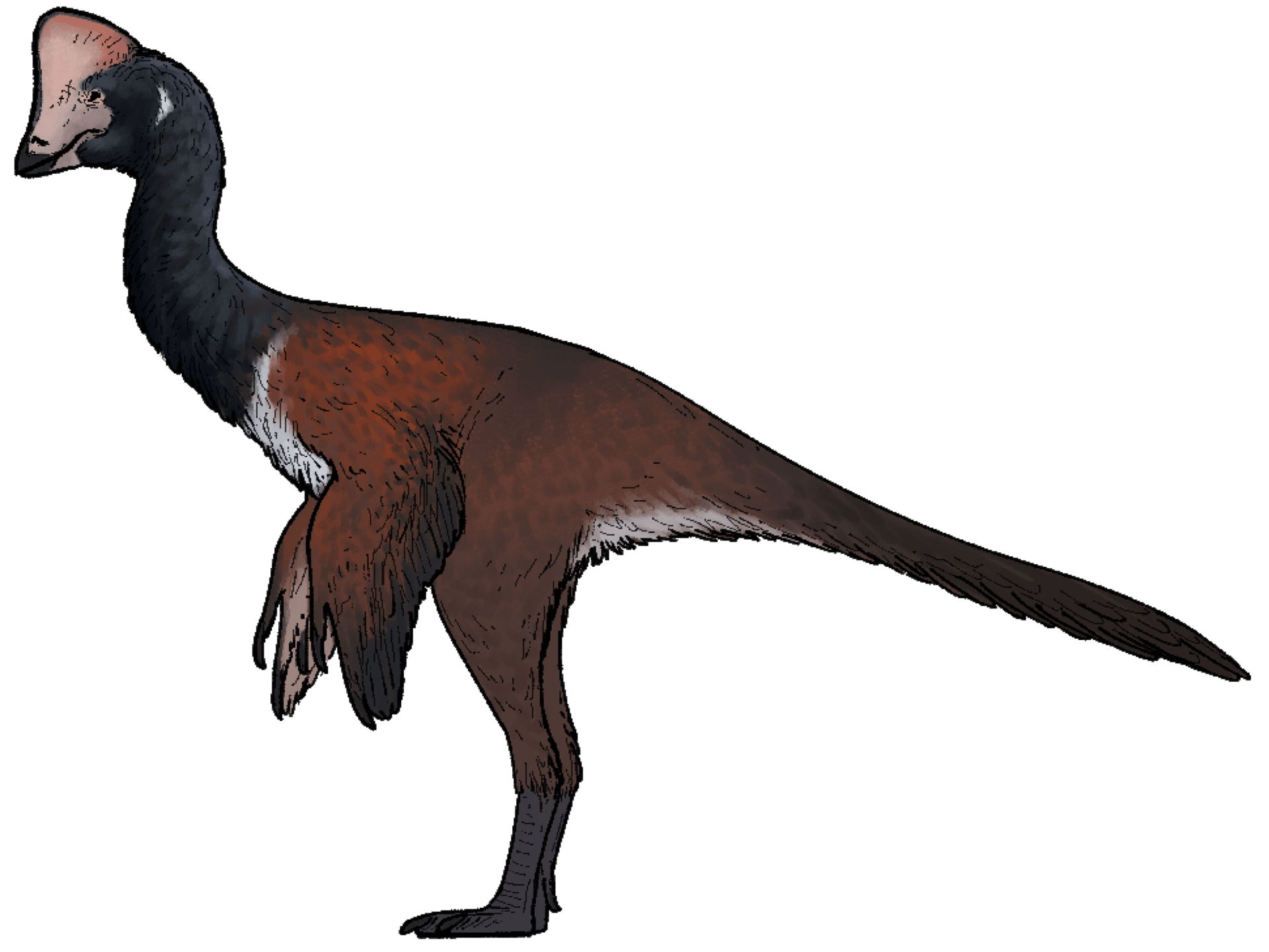
Meet Chirostenotes, a toothless, long-legged caenagnathid from Alberta’s Dinosaur Park Formation, first known from two slender hands found in 1914.
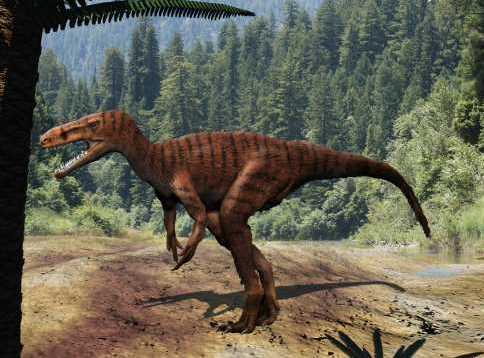
Meet Juratyrant, an early tyrannosauroid from Dorset’s Late Jurassic, known from one partial skeleton found in marine rocks.
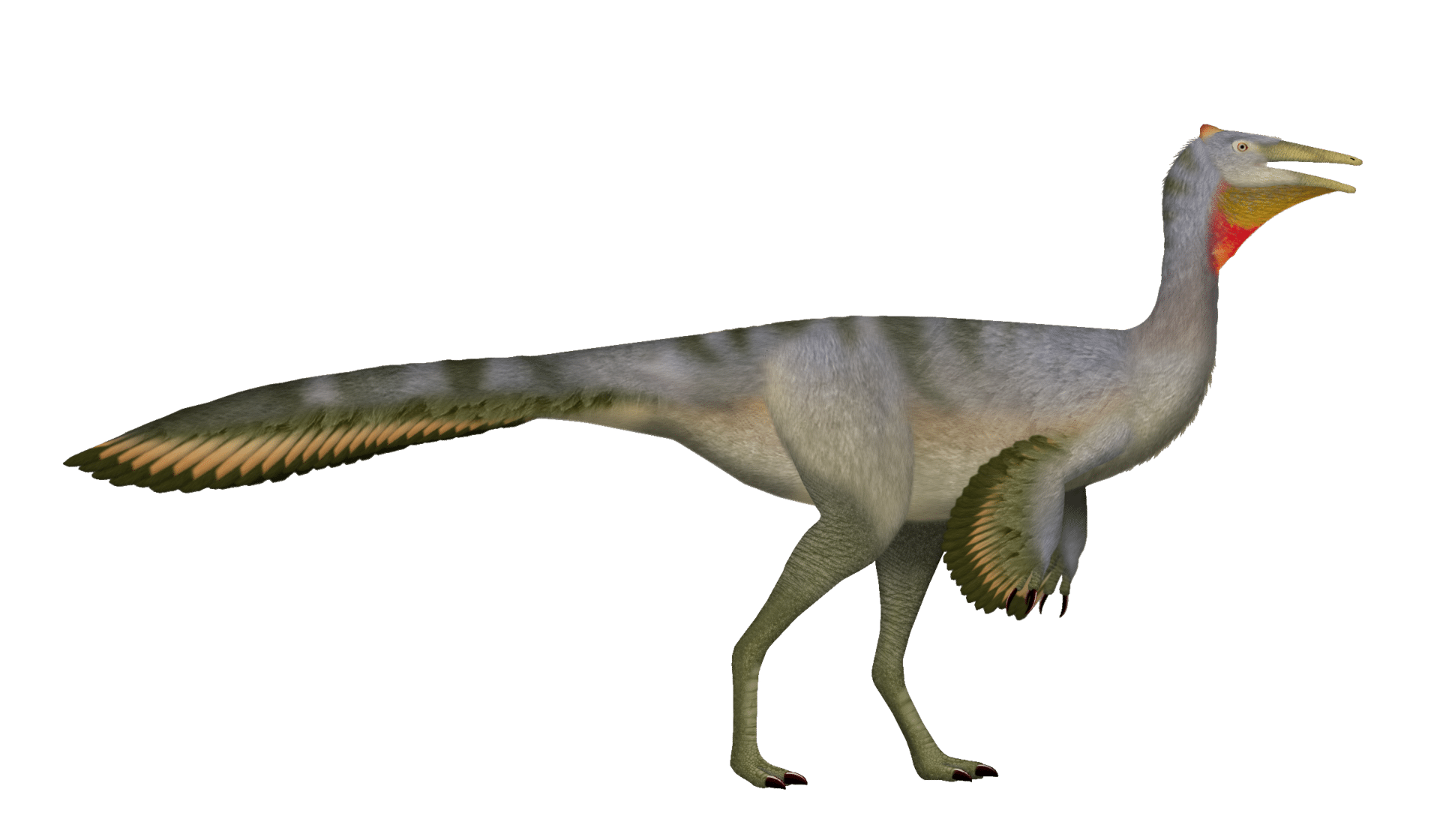
Meet Pelecanimimus, a small ornithomimosaur from Spain’s Las Hoyas wetland with more than 200 teeth and rare traces of soft tissue.
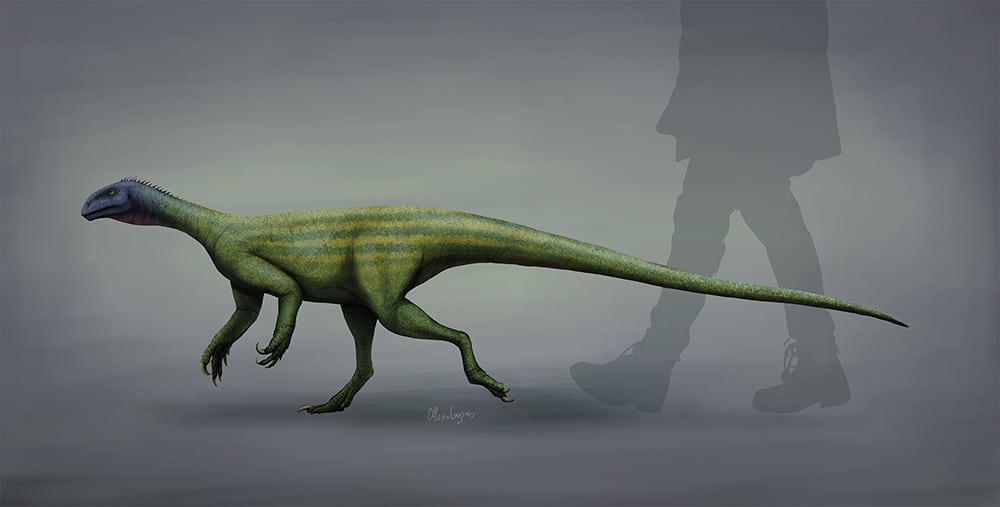
Meet Thecodontosaurus, a small two-legged herbivore from the limestone fissures of Bristol, England, and the first dinosaur named from the Triassic.
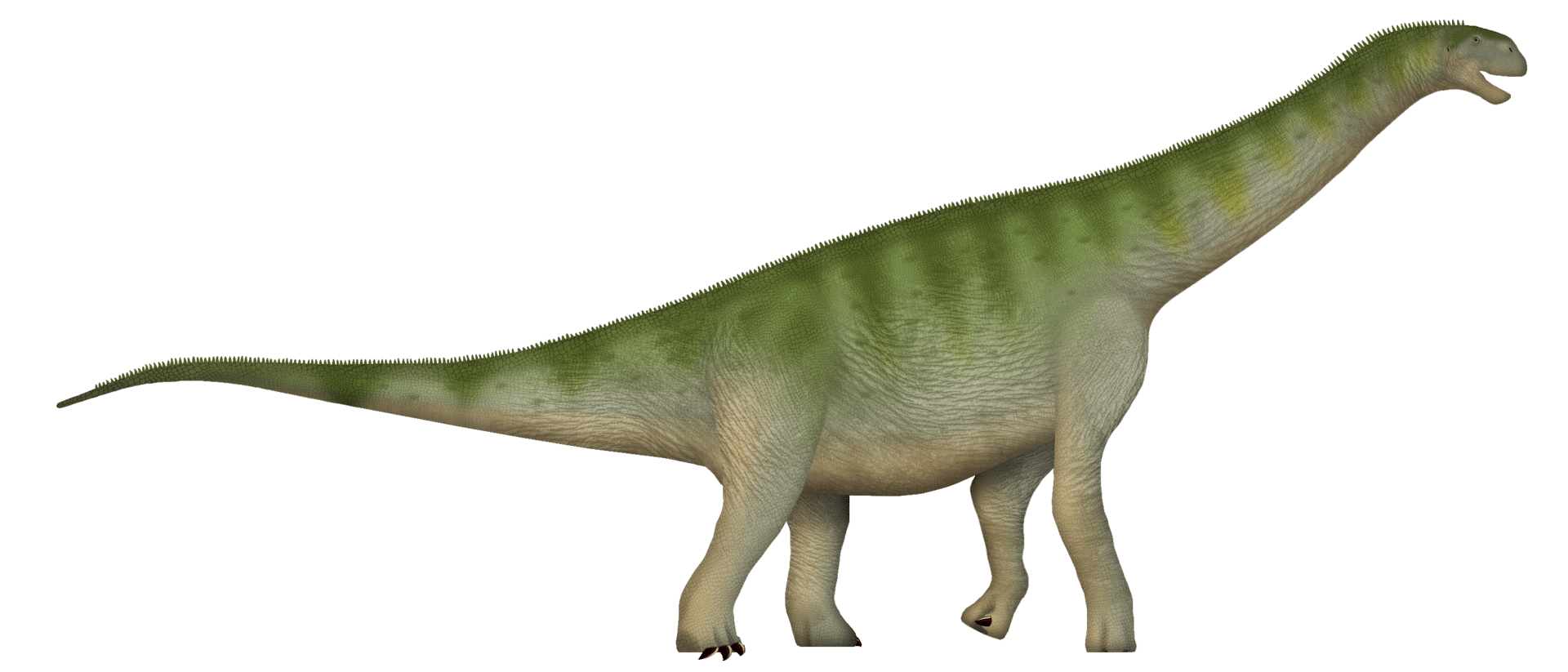
Meet Barapasaurus, an early sauropod from India’s Kota Formation, known from about 300 bones found among fossil tree trunks.
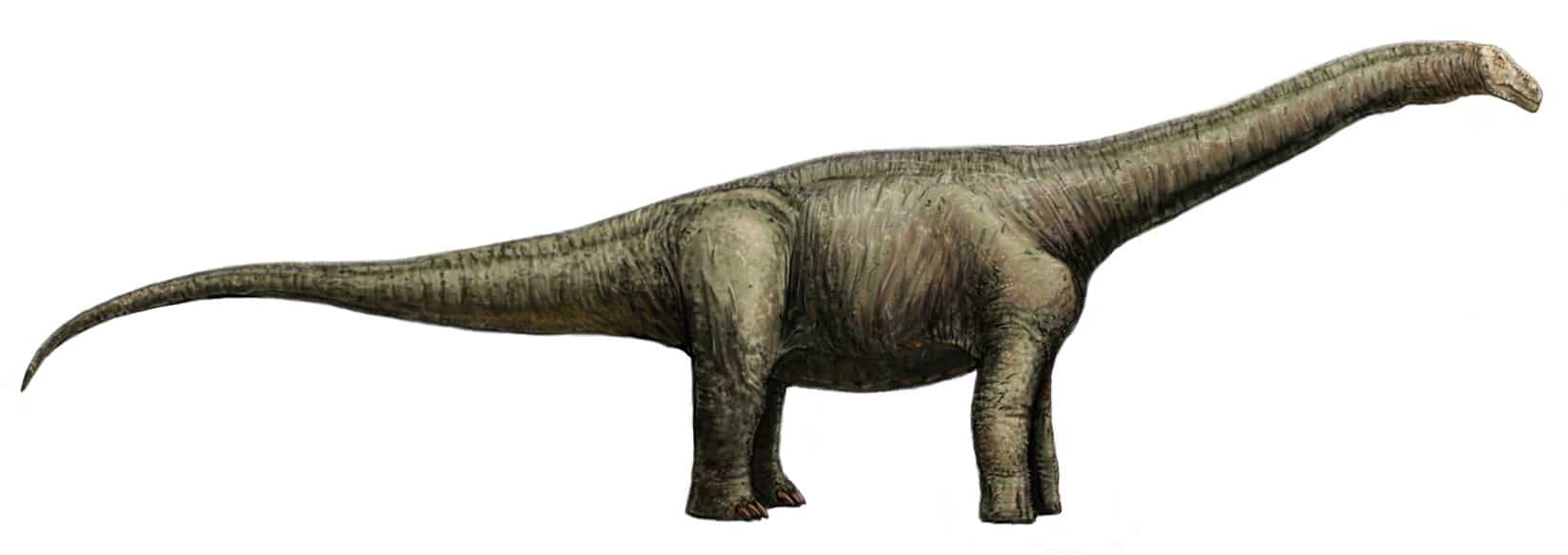
Meet Opisthocoelicaudia, a titanosaur from Mongolia’s Nemegt Formation known from a headless skeleton, an unusual tail, and a debated identity.
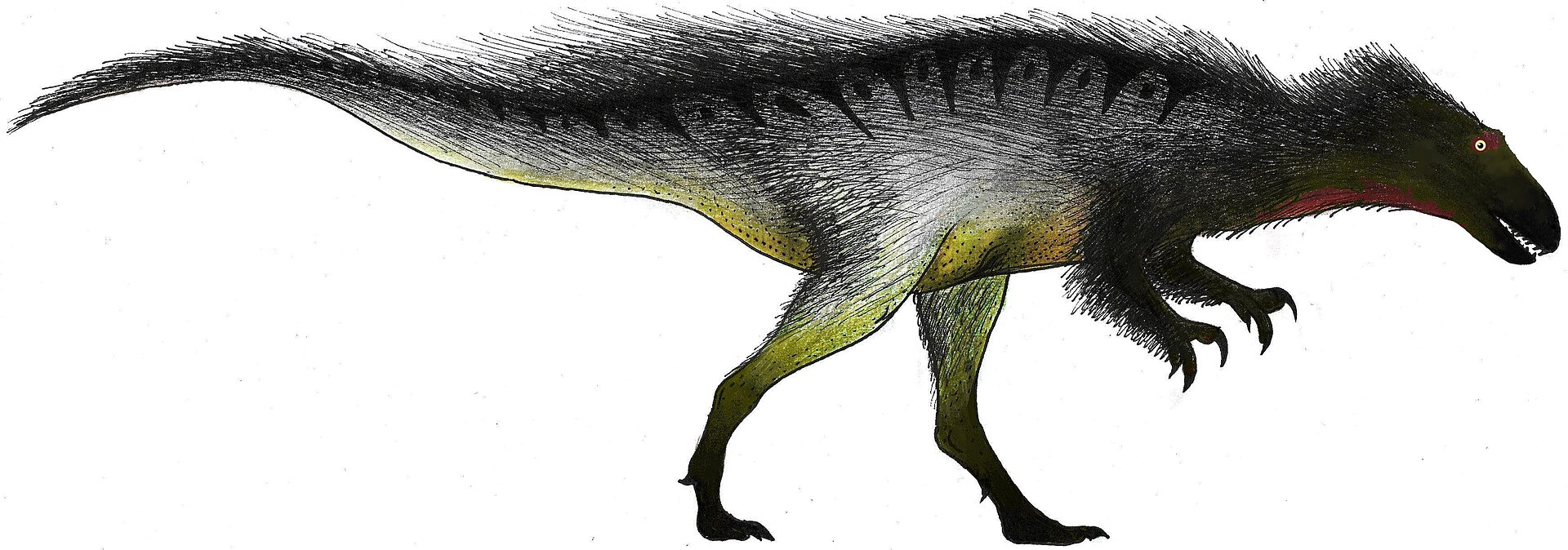
Meet Orkoraptor, a megaraptoran predator from Late Cretaceous Patagonia, known from scattered bones and teeth and still hard to place in its family.
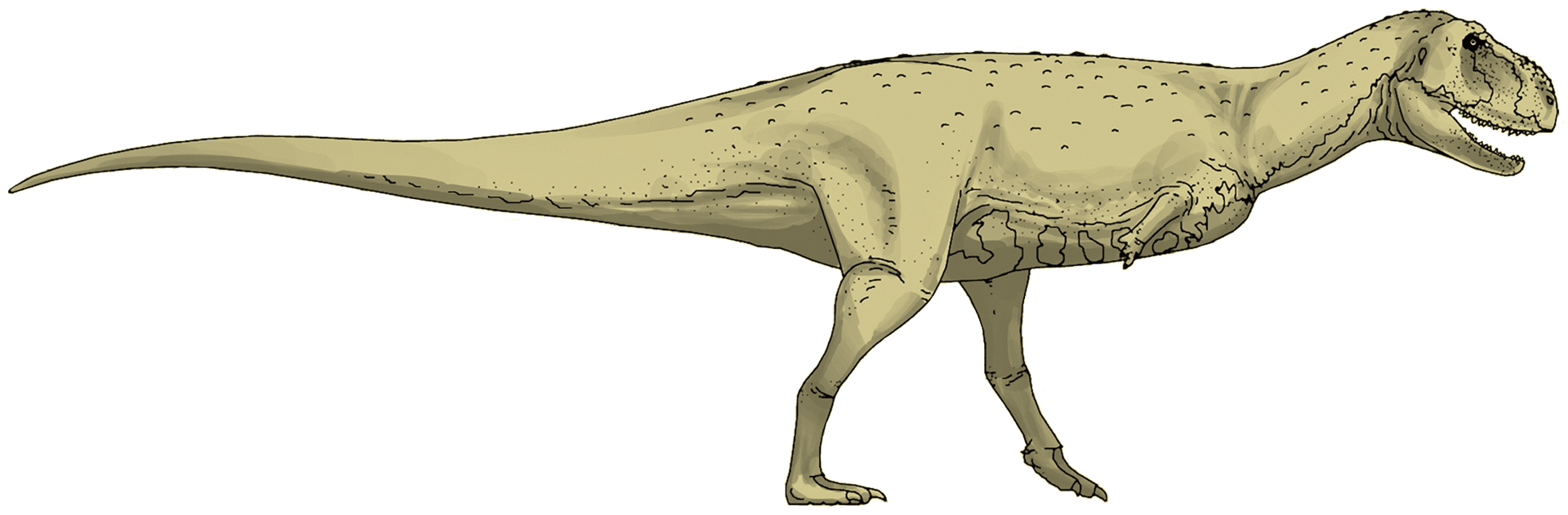
Meet Ekrixinatosaurus, a big-headed abelisaurid from Patagonia’s Candeleros Formation, found after its rocky tomb was dynamited for a gas pipeline.
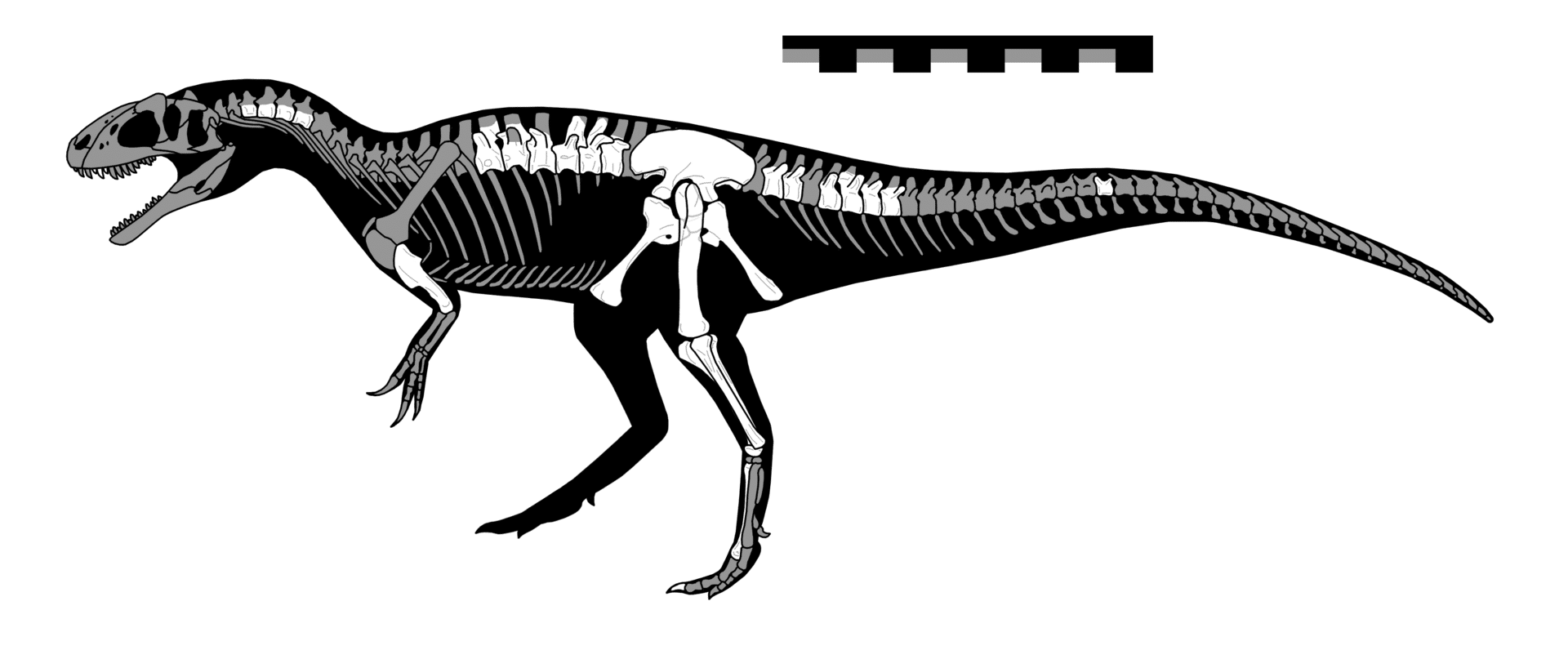
Meet Gasosaurus, a medium-sized theropod from Middle Jurassic Sichuan, China, whose place in the dinosaur family tree is still debated.
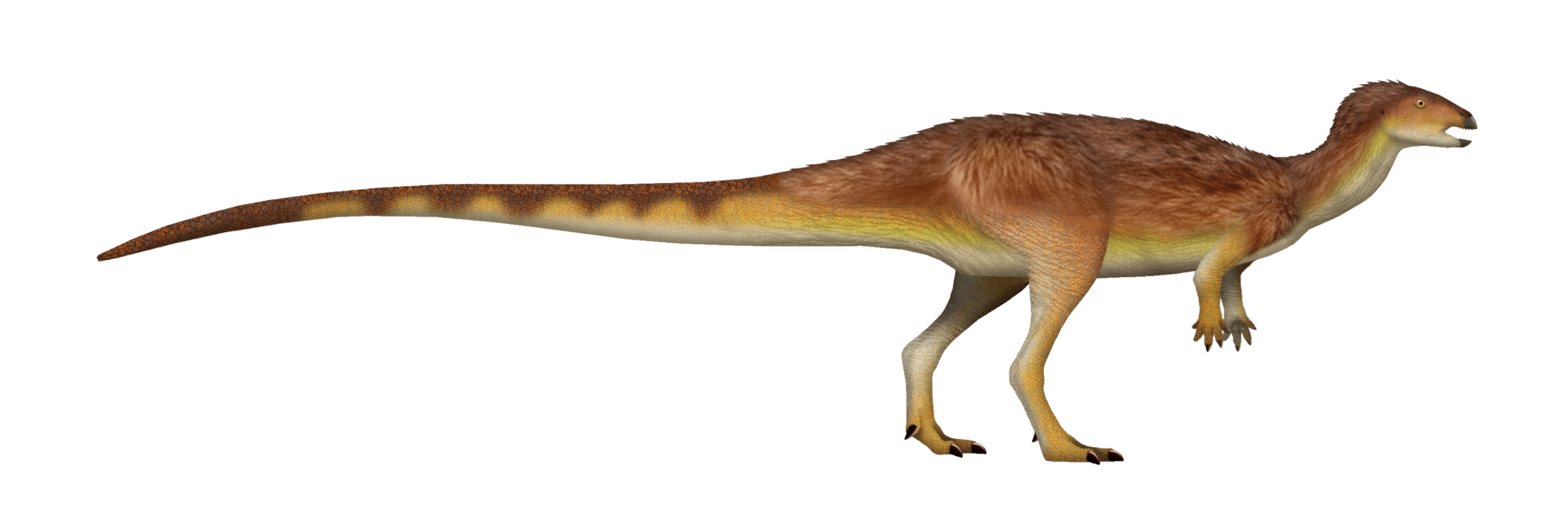
Meet Oryctodromeus, a small two-legged dinosaur from Montana found as an adult and two juveniles inside a fossil burrow.
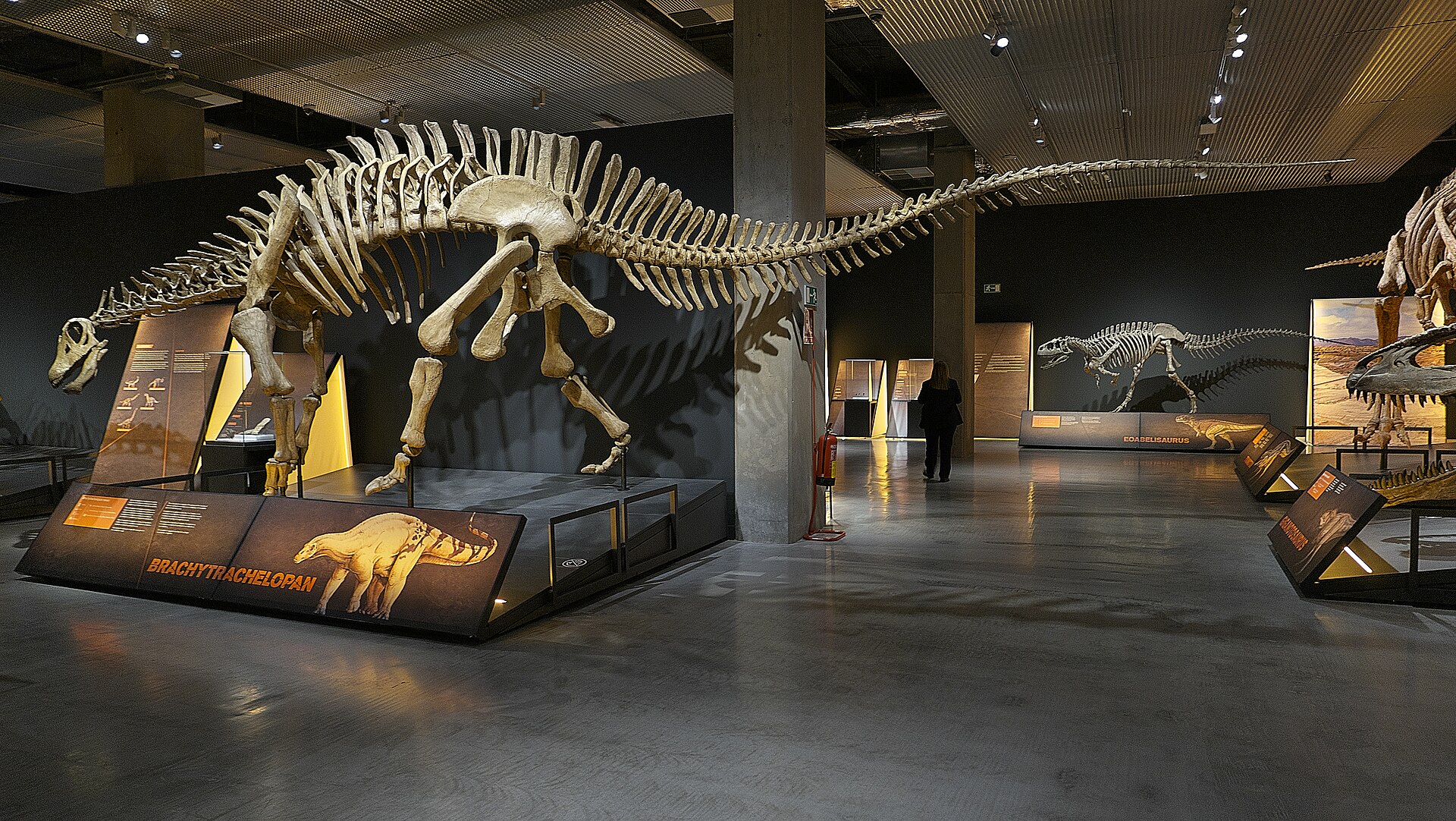
Meet Brachytrachelopan, a Late Jurassic sauropod from Patagonia whose neck was about 40% shorter than in other known dicraeosaurs.
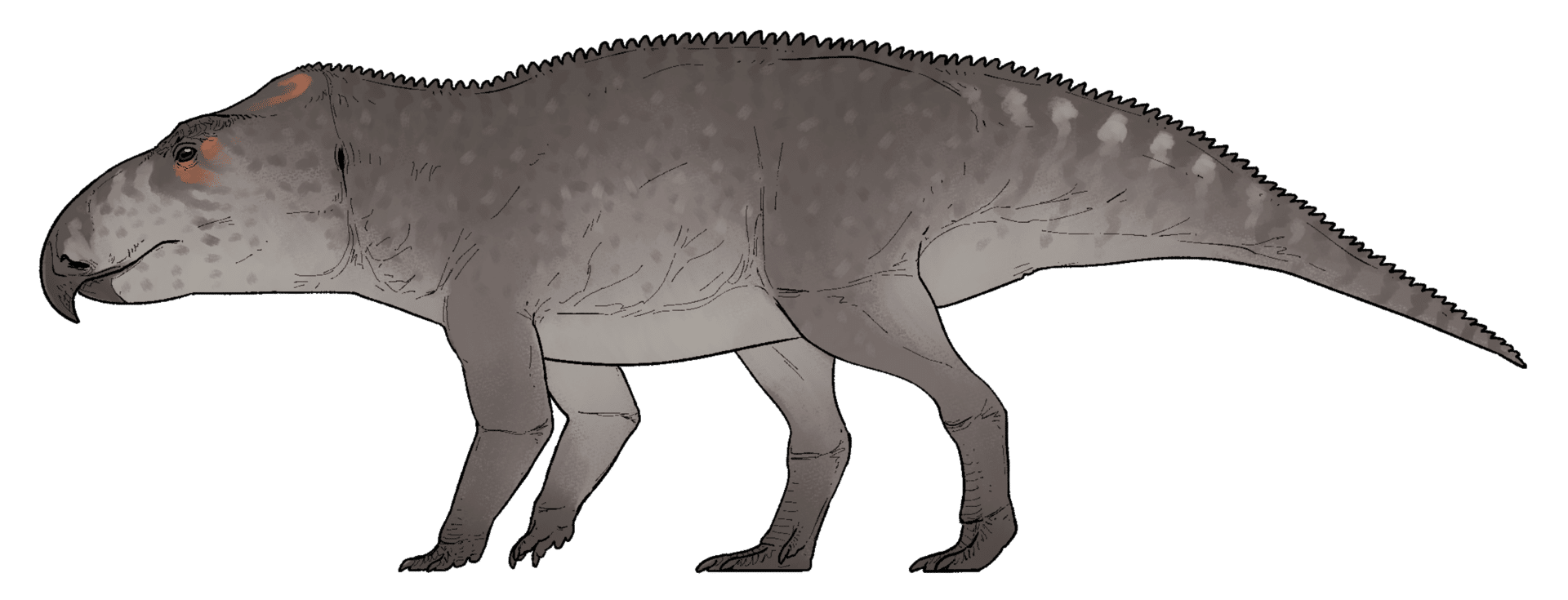
Ferenceratops, a Maastrichtian ceratopsian from Romania’s Hațeg Basin, was filed under Zalmoxes for over two decades until a 2026 study.
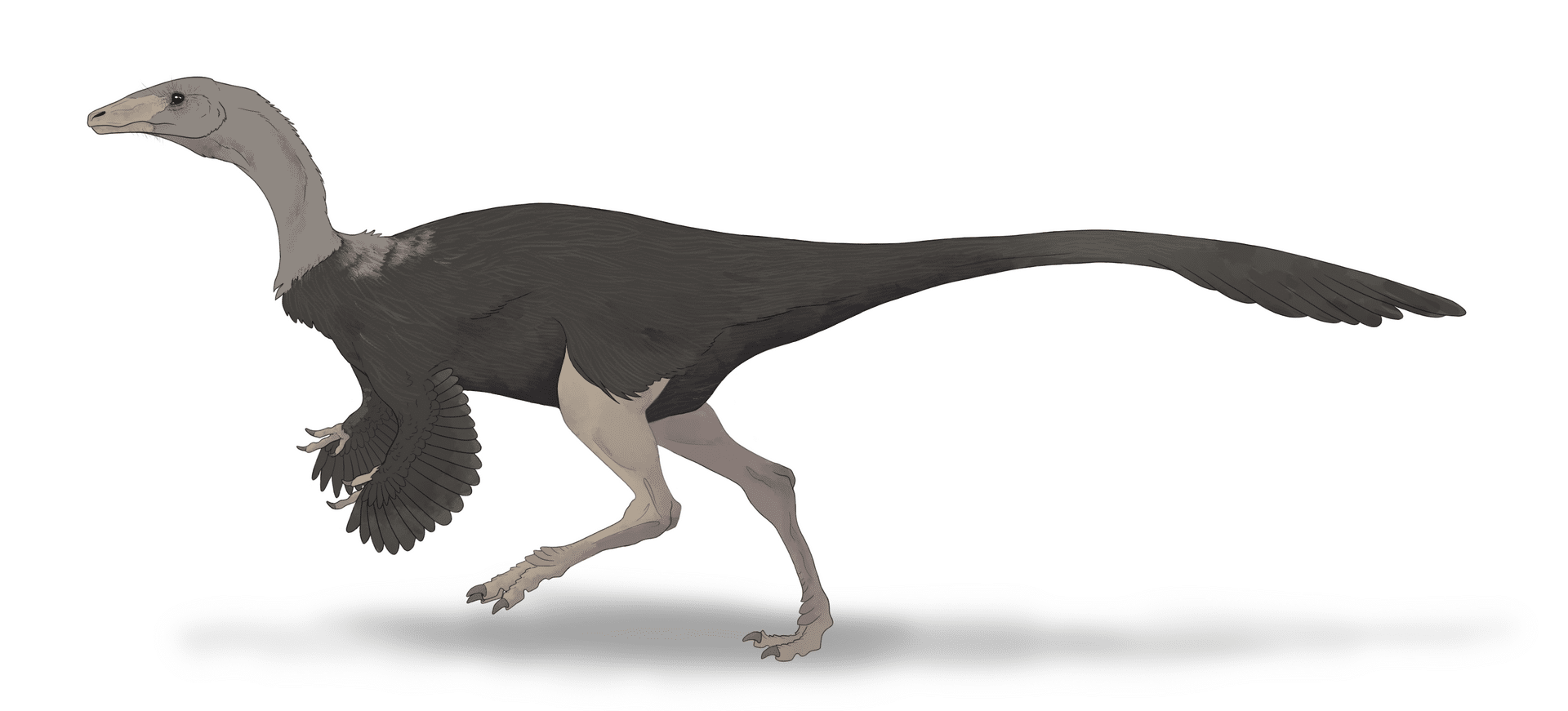
Meet Archaeornithomimus, an ostrich dinosaur from Inner Mongolia’s Iren Dabasu Formation, known from hands, feet, and air-filled vertebrae.
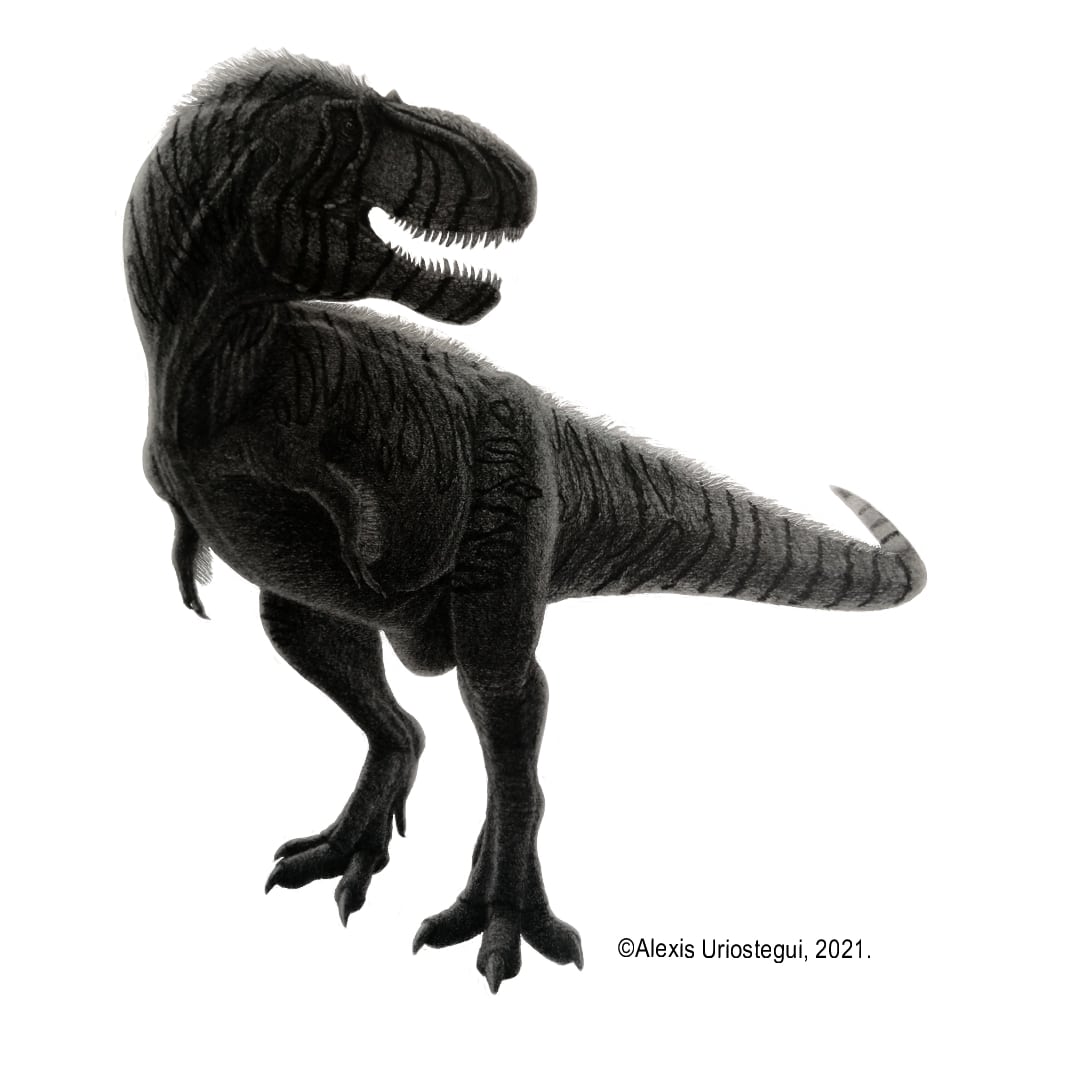
Meet Labocania, a large, fragmentary theropod from Baja California whose family, age and even rock formation are still debated.
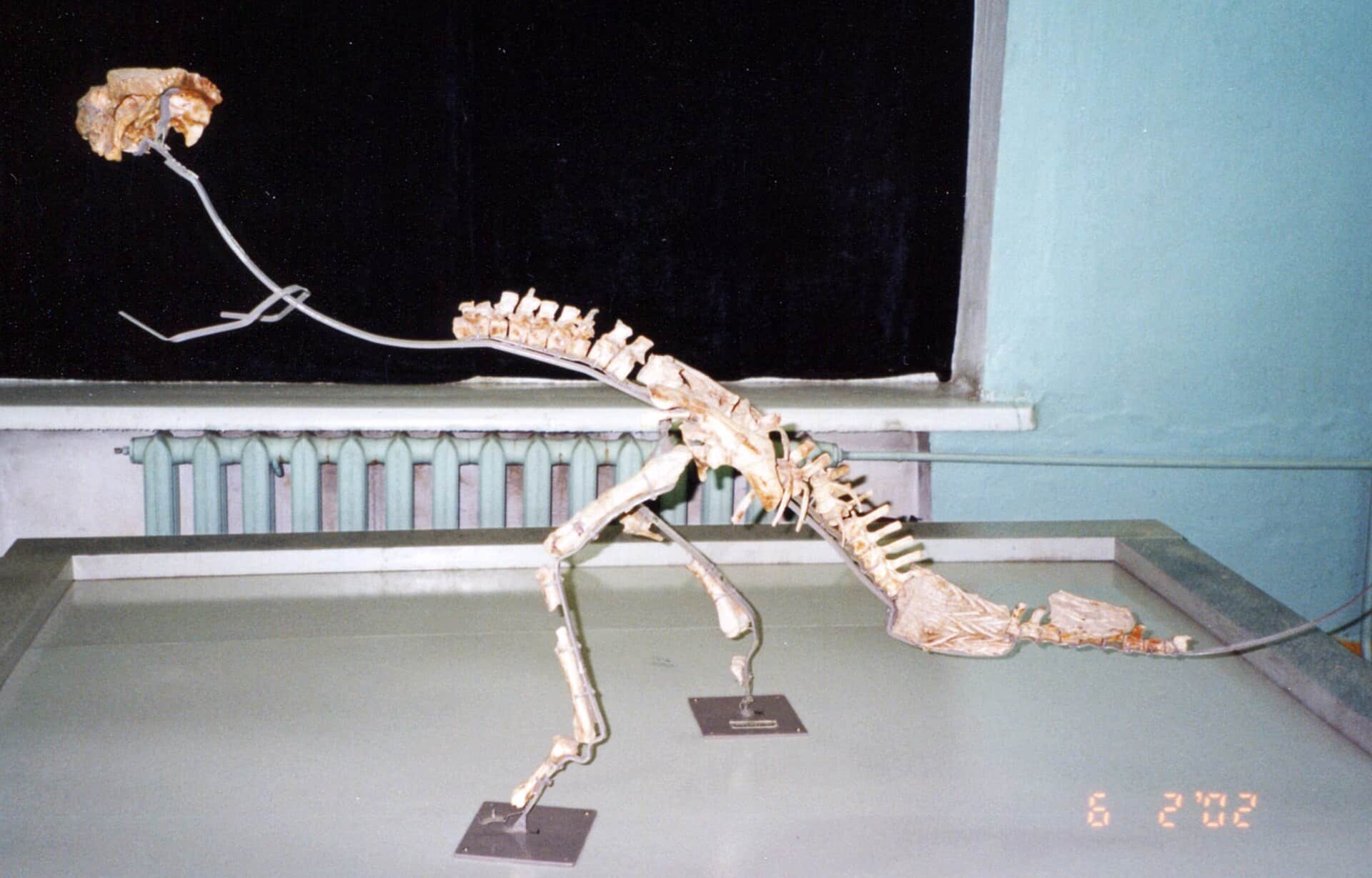
Meet Homalocephale, a flat-headed pachycephalosaur from Mongolia’s Nemegt Formation, known from one young skeleton with a basket-woven tail.
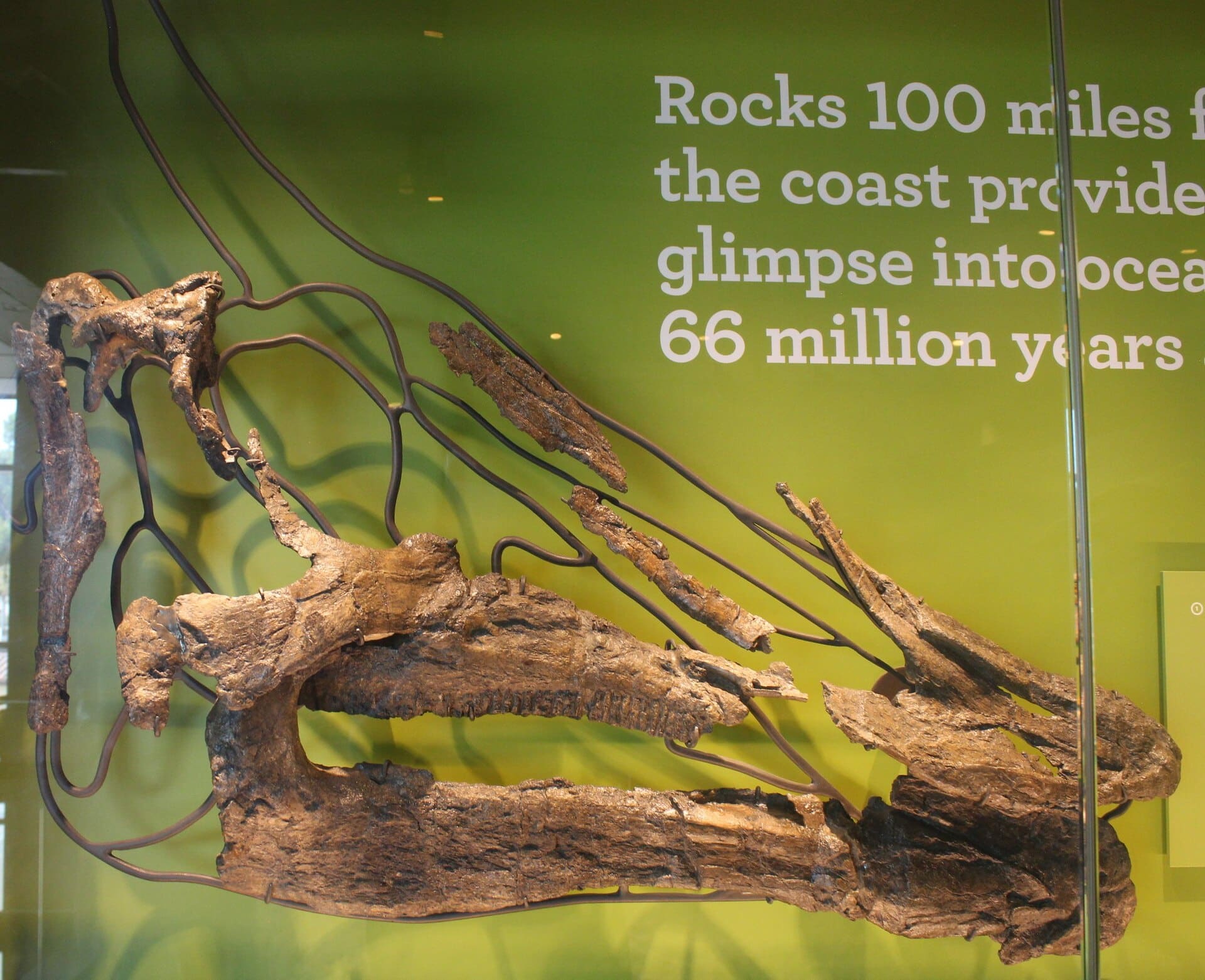
Meet Augustynolophus, California’s state dinosaur, a crested duck-billed hadrosaurid from the marine shales of the latest Cretaceous Moreno Formation.
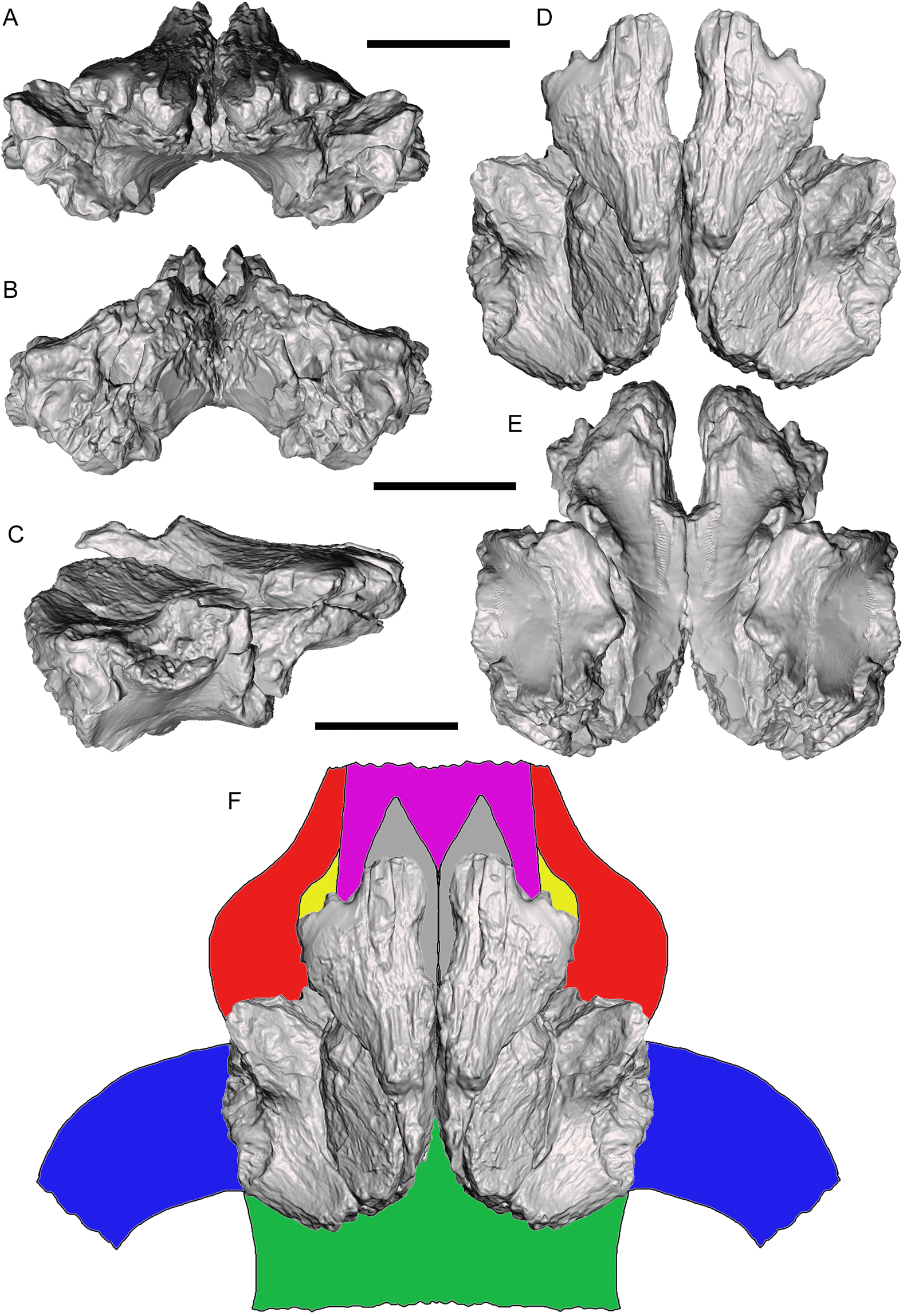
Meet Dynamoterror, a tyrannosaurine from New Mexico’s Menefee Formation, known from a partial skeleton and a tall-crested skull roof.
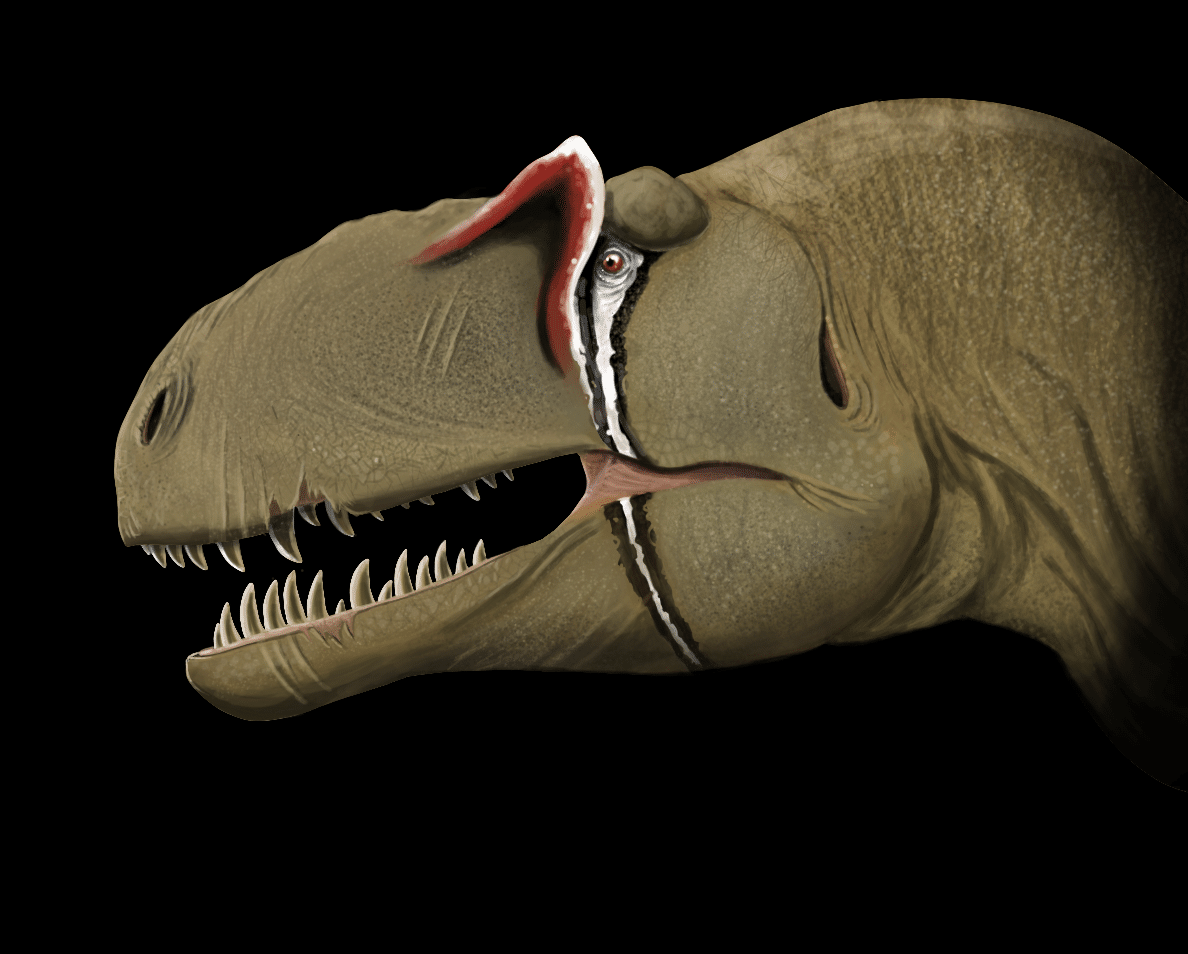
Meet Asfaltovenator, a large Jurassic theropod from Patagonia whose skull mixes allosauroid and megalosauroid traits.
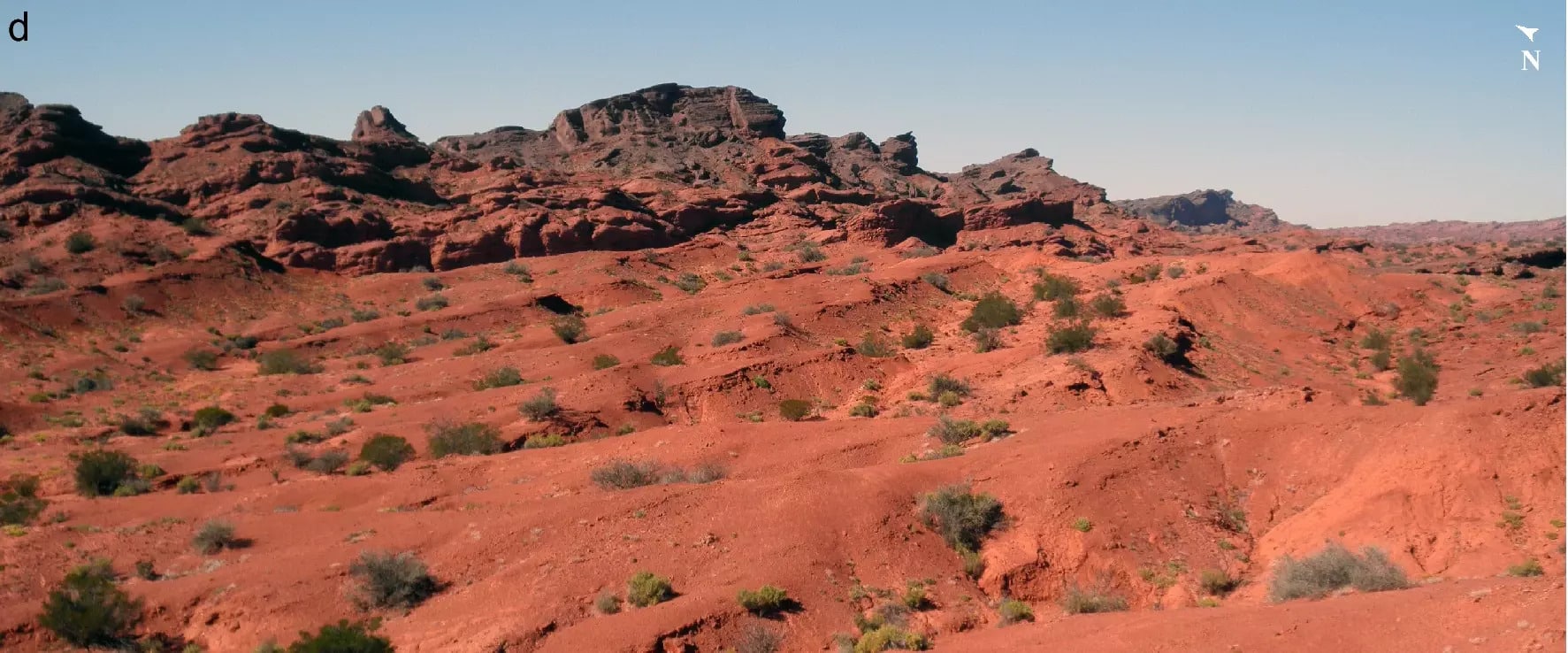
Meet Lessemsaurus, a heavy Late Triassic sauropodomorph from Argentina’s Los Colorados Formation with strikingly tall back vertebrae.
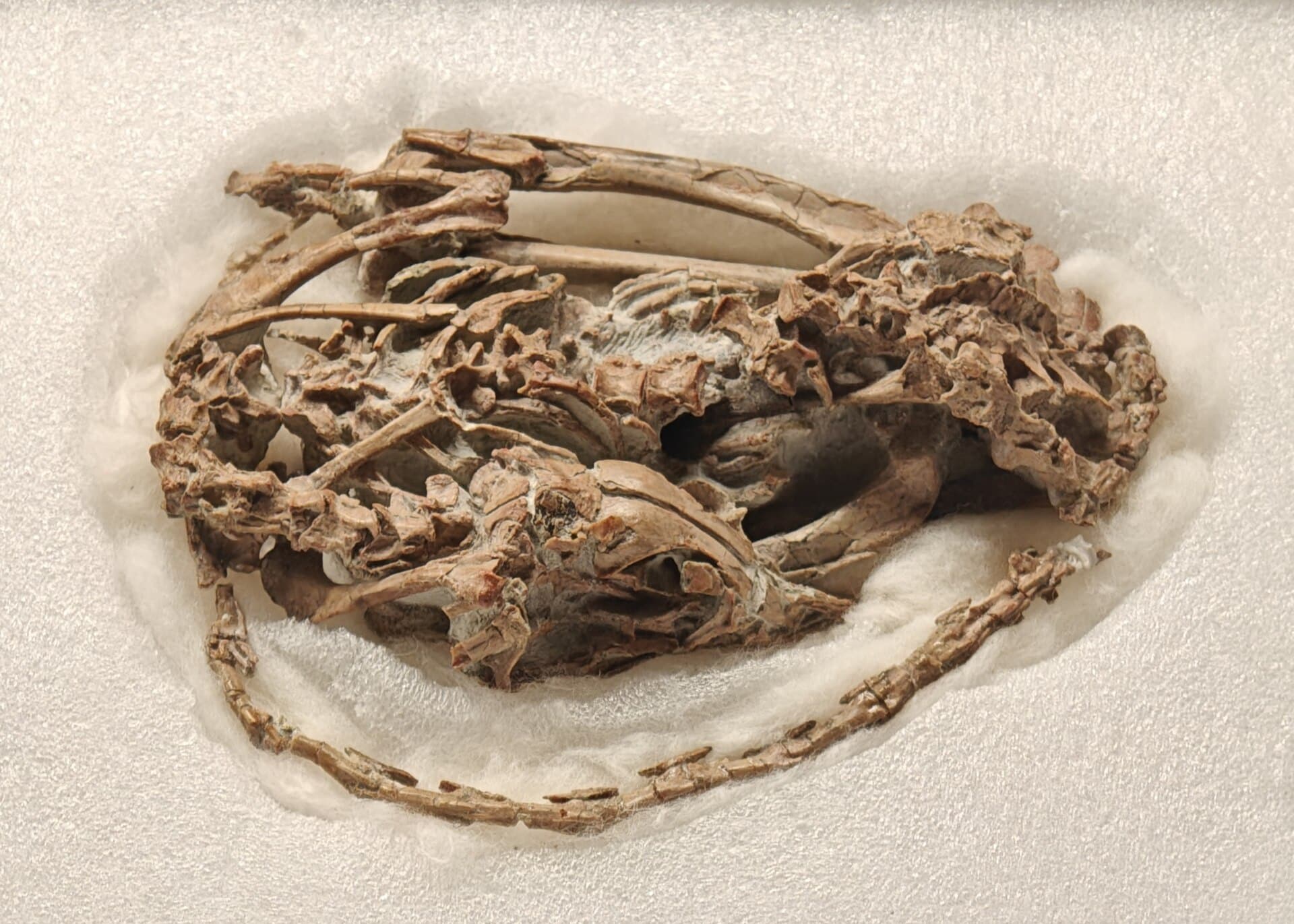
Meet Mei, a tiny troodontid from China’s Early Cretaceous Yixian Formation, found curled up in the resting pose of a modern bird.
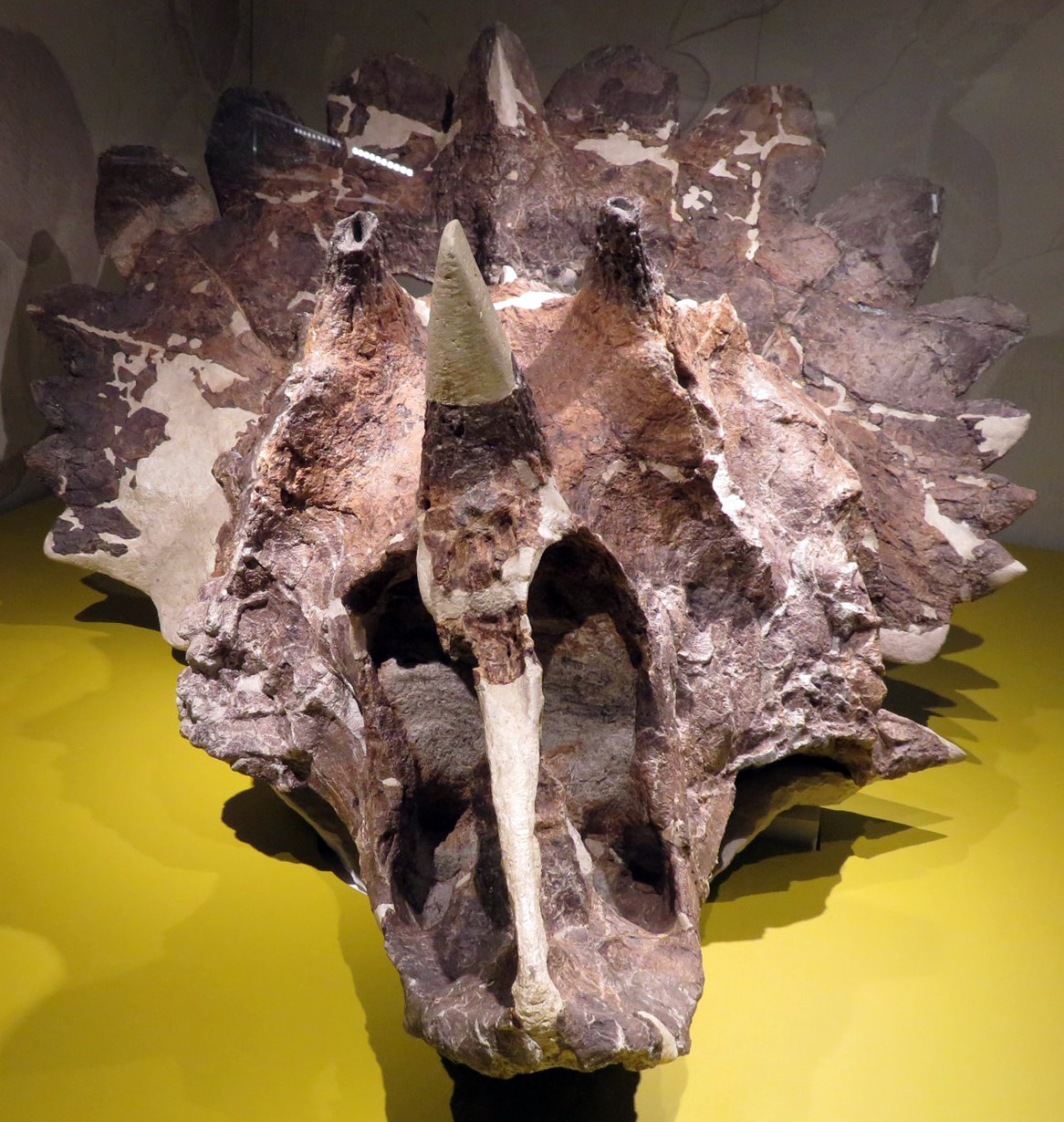
Meet Regaliceratops, a horned dinosaur from Late Cretaceous Alberta with a crown-like frill, a tall nose horn, and surprisingly tiny brow horns.
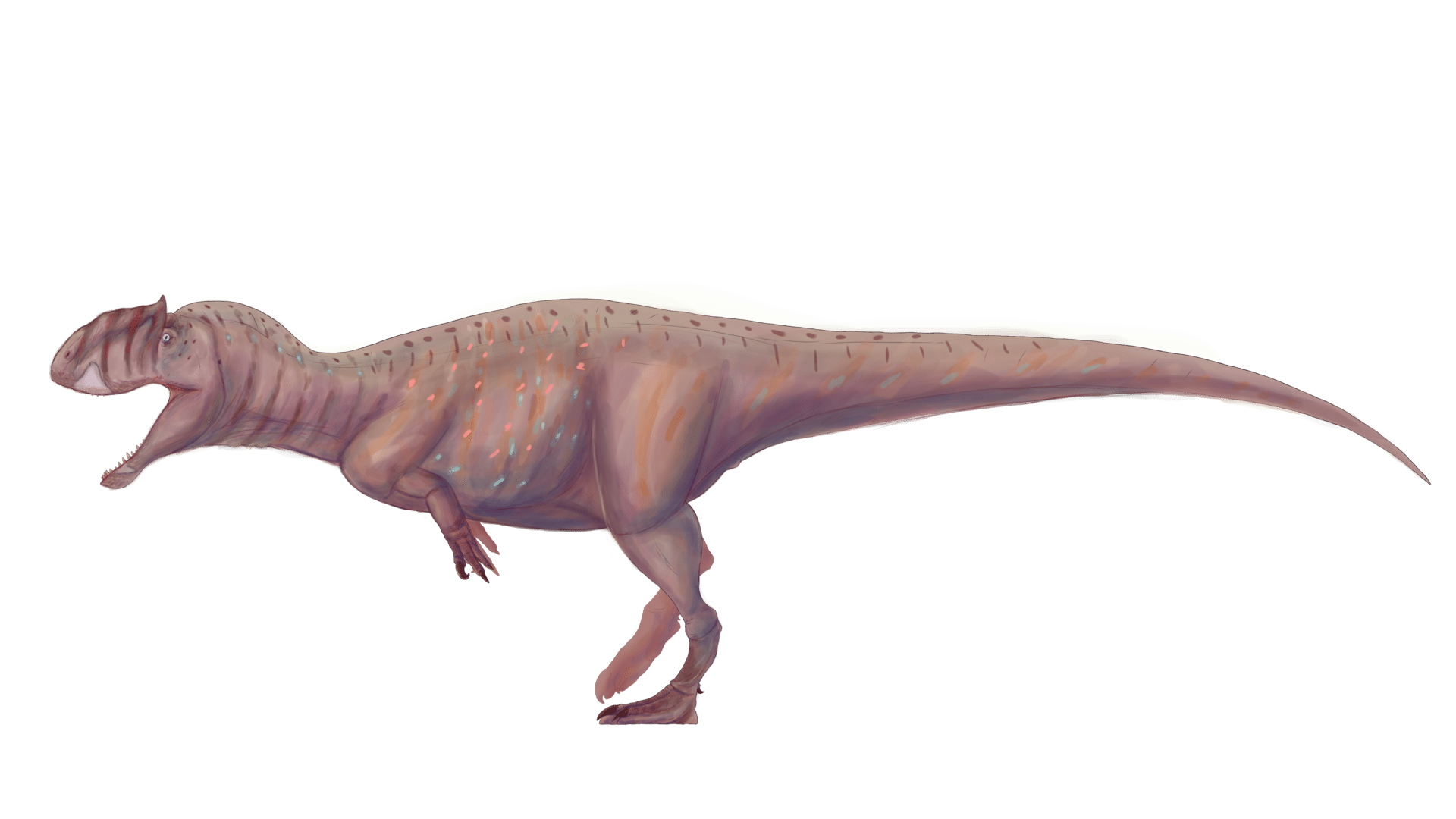
Meet Siamotyrannus, a large theropod from Thailand’s Early Cretaceous Sao Khua Formation, first hailed as the earliest known tyrannosaur.
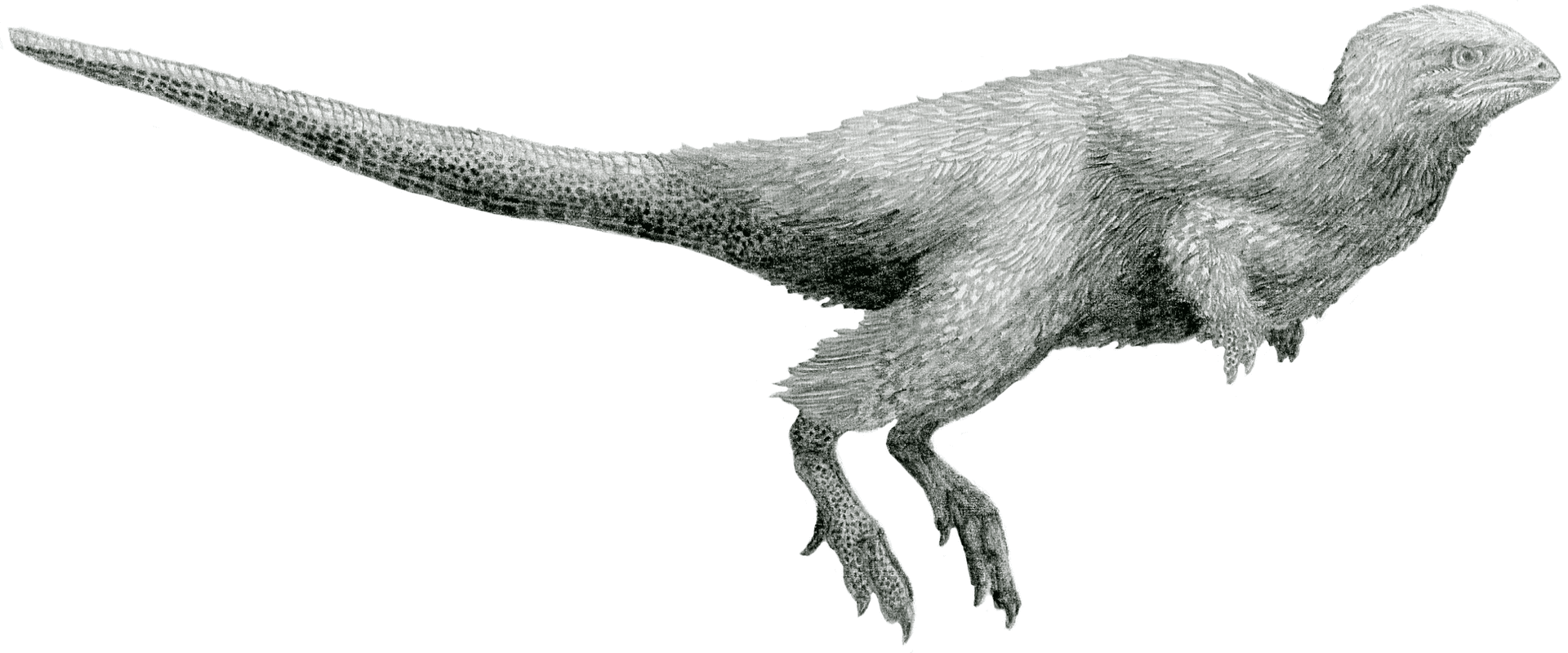
Meet Kulindadromeus, a small plant-eater from Siberia’s Middle Jurassic whose fossils preserve both scales and featherlike filaments.
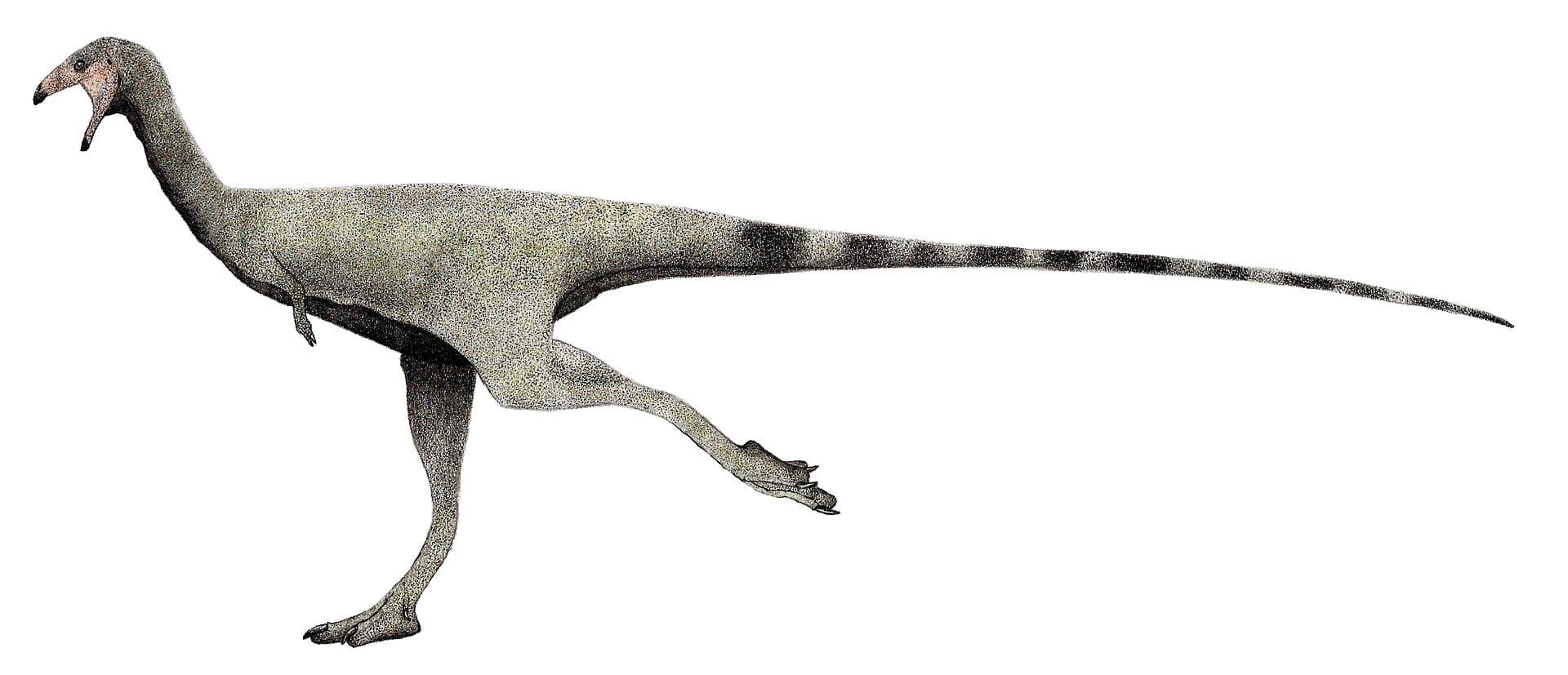
Meet Limusaurus, a small Late Jurassic ceratosaur from China that lost its teeth as it grew and was found in ancient “death pits” of mired skeletons.
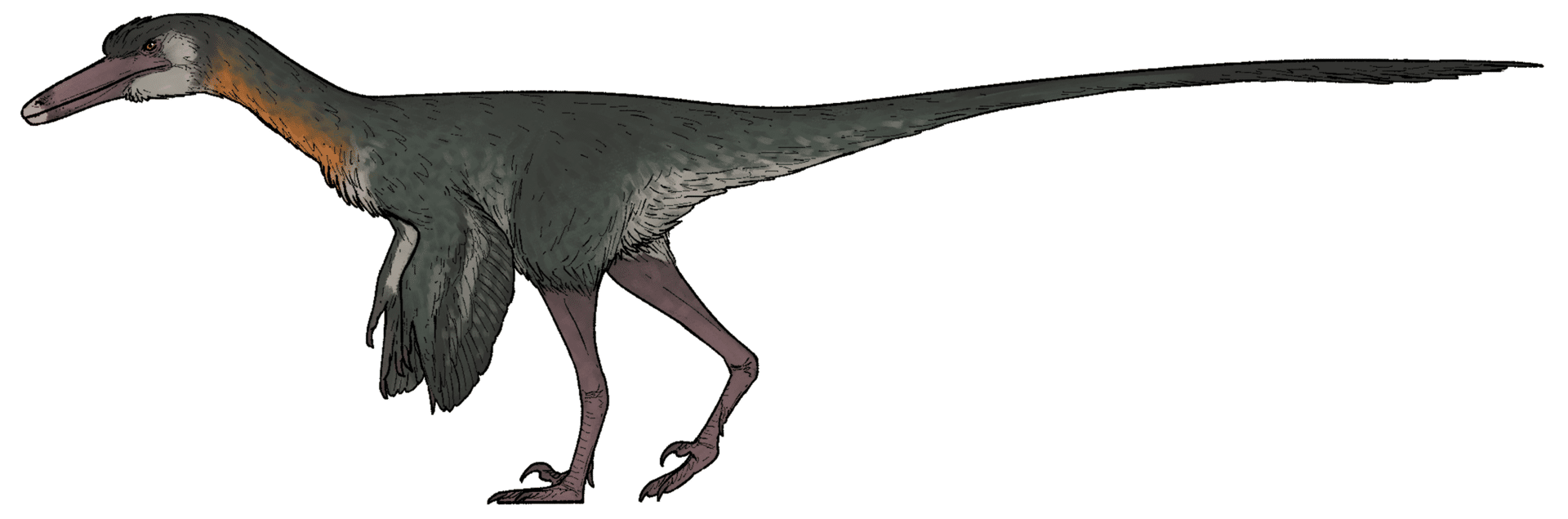
Meet Kank, a medium-sized unenlagiid theropod from the Late Cretaceous Chorrillo Formation of southern Patagonia, Argentina.
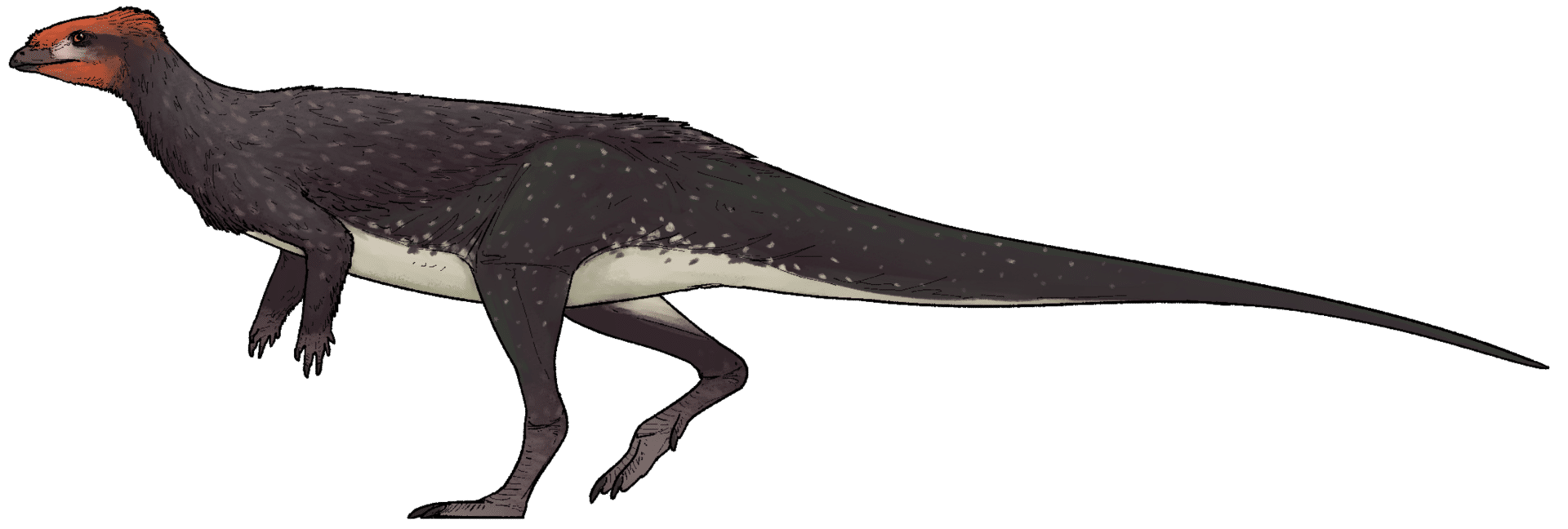
Meet Doolysaurus, a juvenile neornithischian from Korea’s Aphae Island, named for a cartoon dinosaur and found with a cluster of stomach stones.
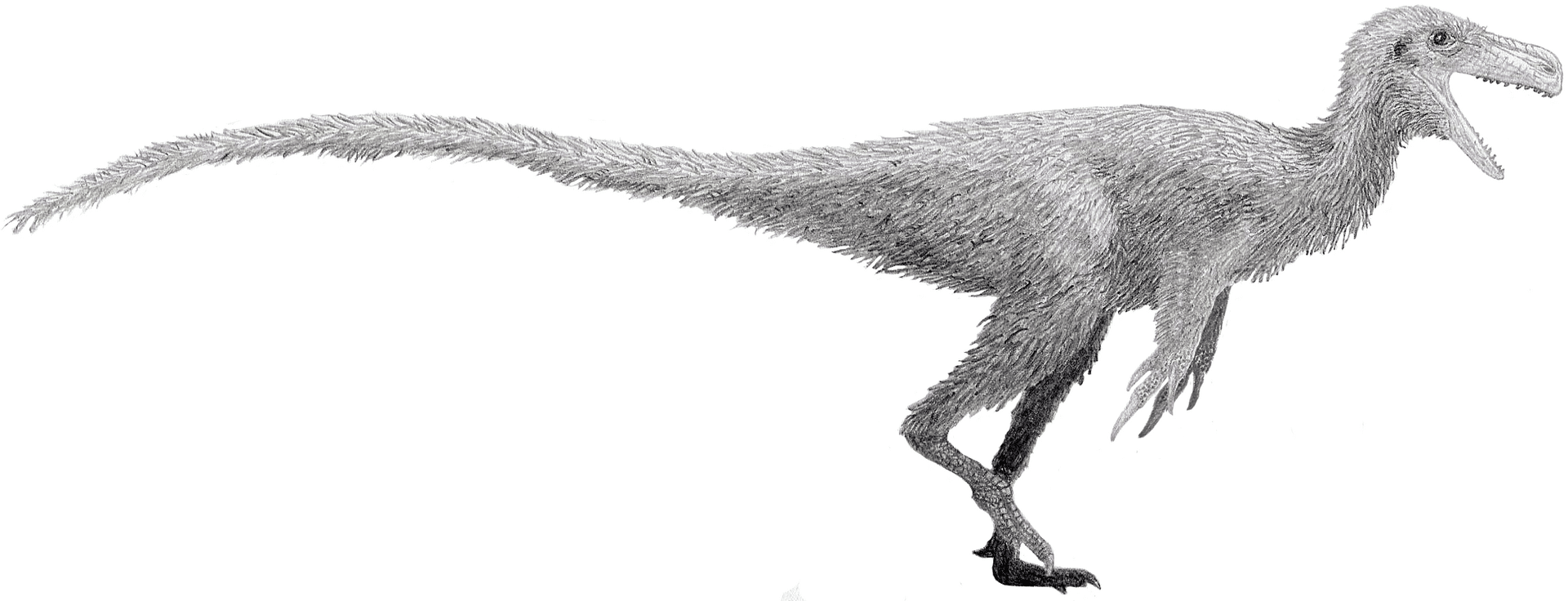
Meet Stokesosaurus, an early tyrannosauroid from Utah’s Late Jurassic Morrison Formation, known with confidence from a single hip bone.
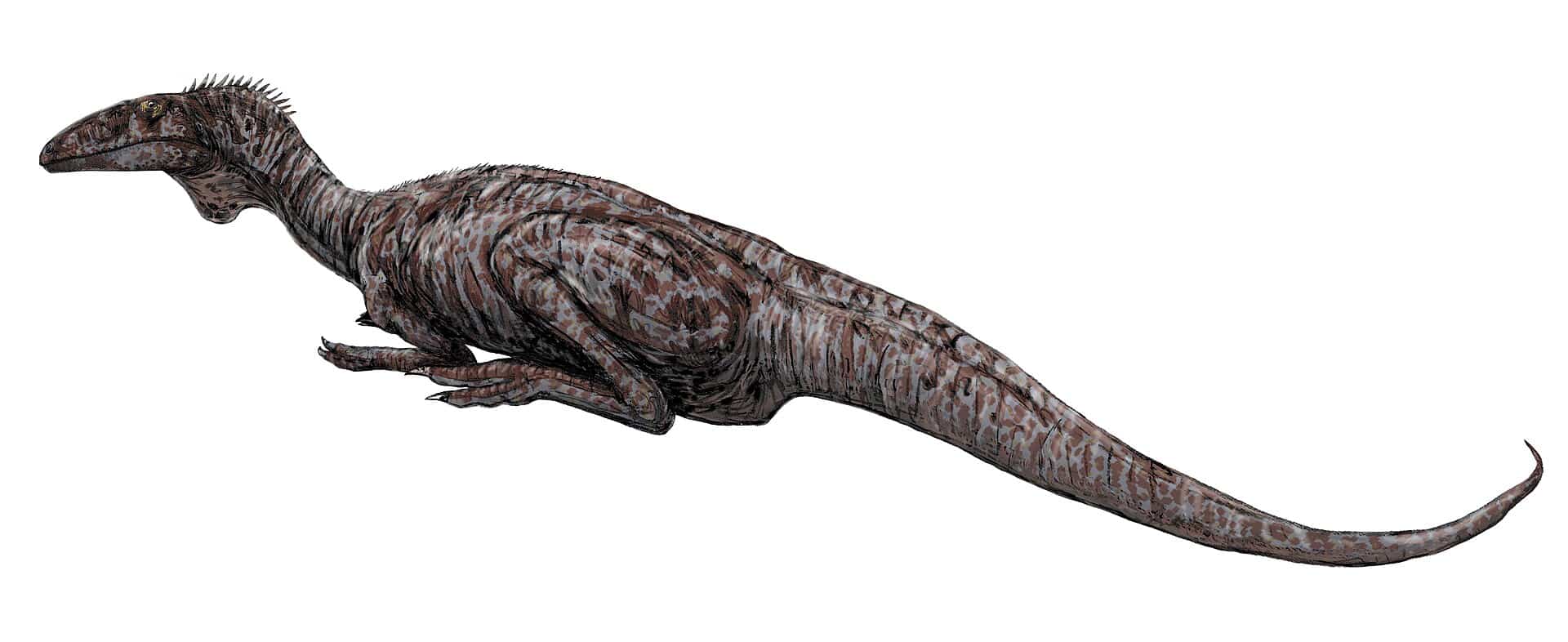
Meet Zupaysaurus, a medium-sized theropod from Argentina’s Late Triassic, known from one long, low skull and a much-debated family tree.
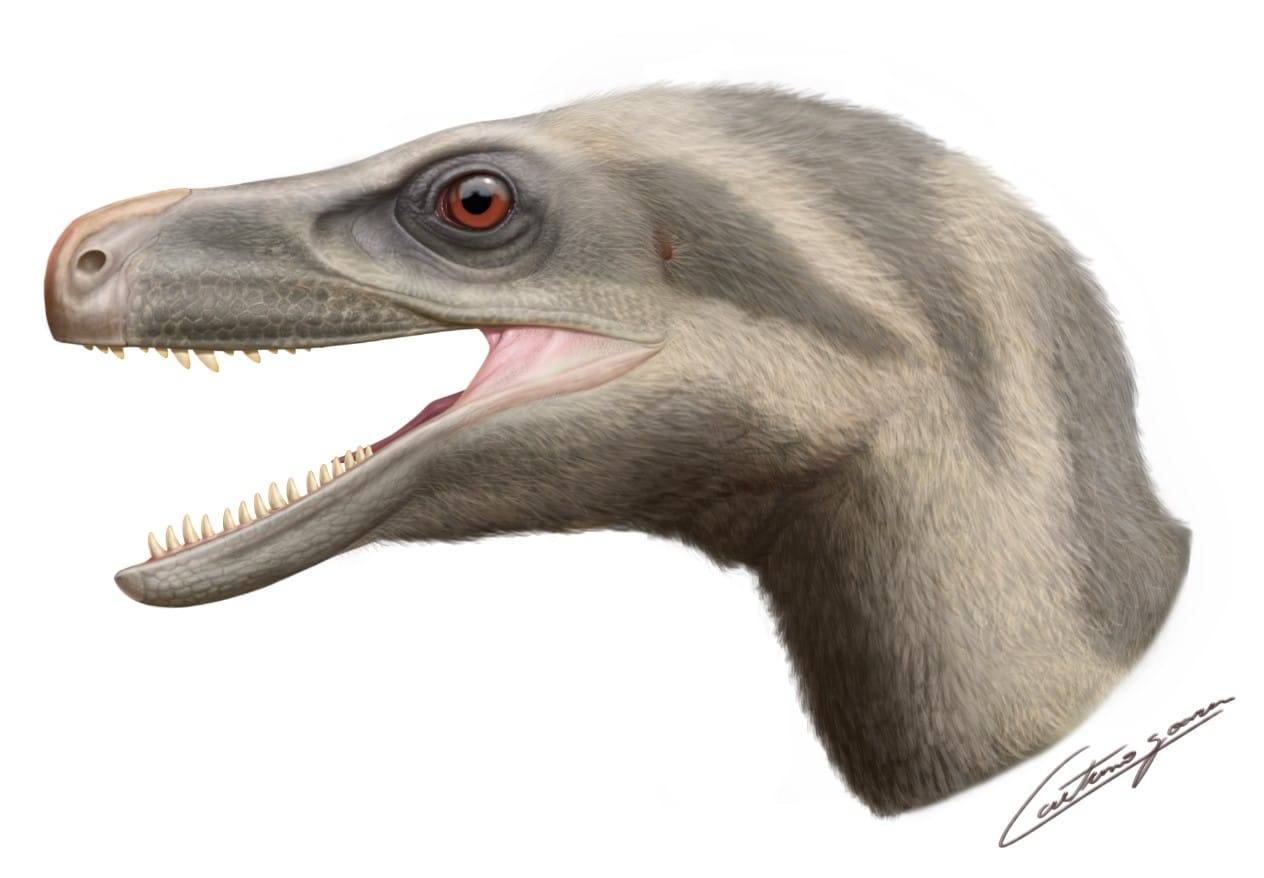
Meet Staurikosaurus, a small, two-legged herrerasaurid predator from the Late Triassic Santa Maria Formation of southern Brazil.
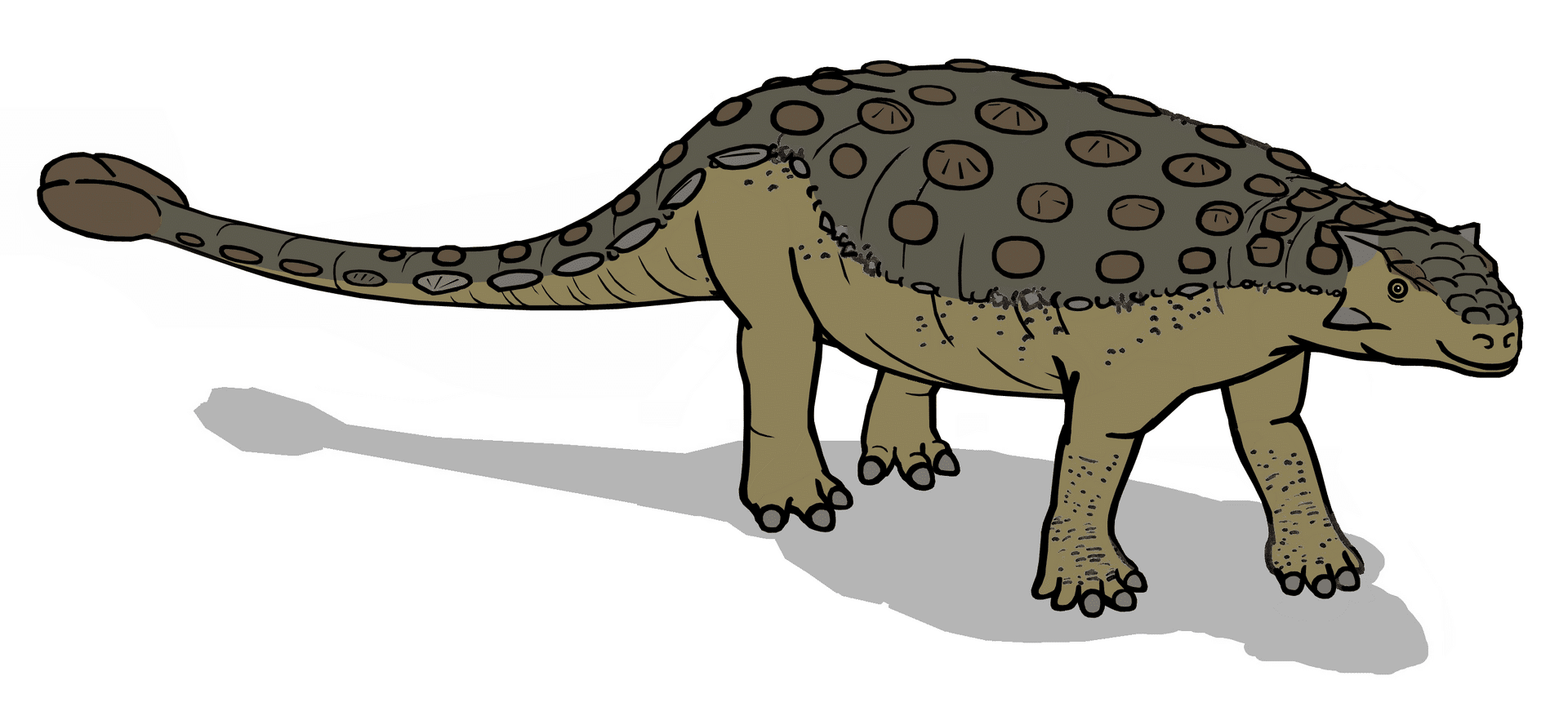
Meet Tarchia, an armored ankylosaurid from Mongolia’s Late Cretaceous Gobi, whose species and family tree are still debated.
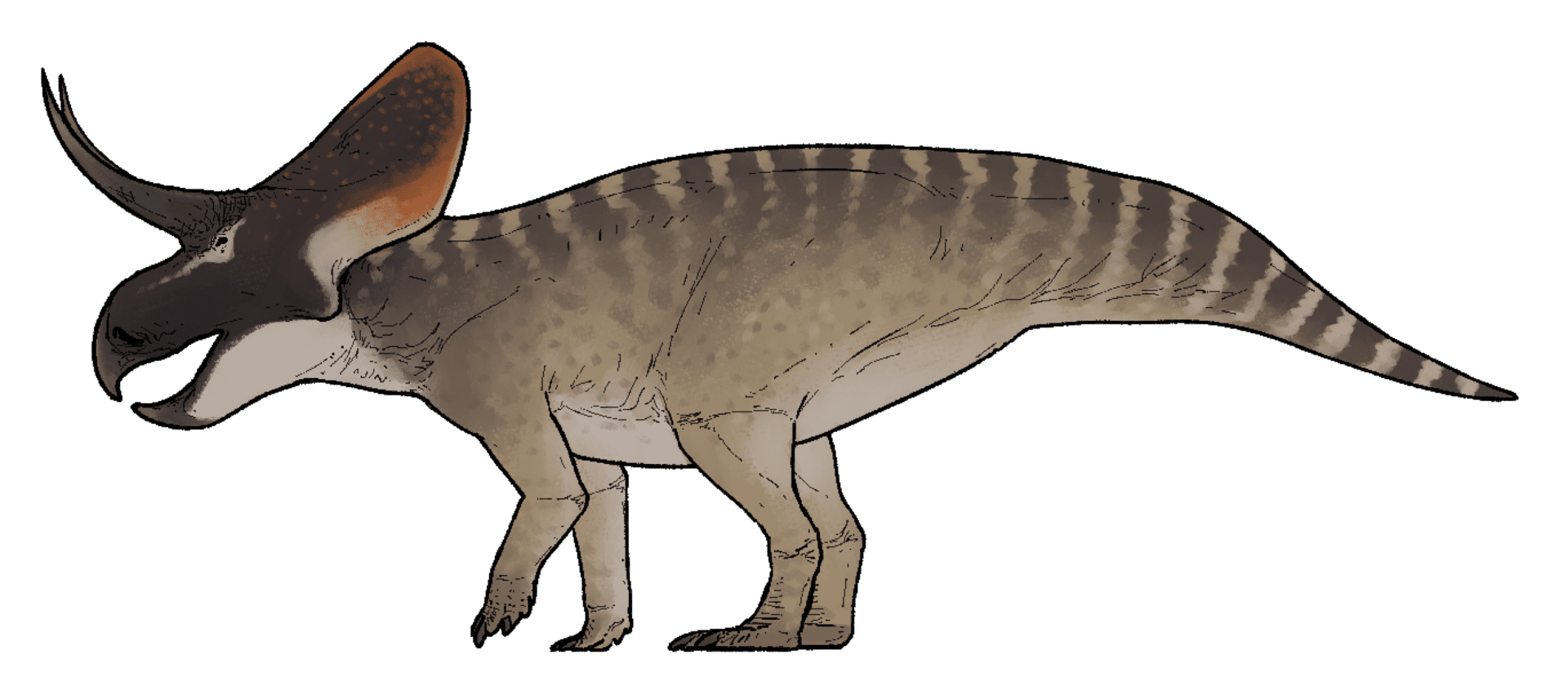
Meet Zuniceratops, a brow-horned ceratopsian from the Late Cretaceous Moreno Hill Formation of New Mexico that had no nose horn.
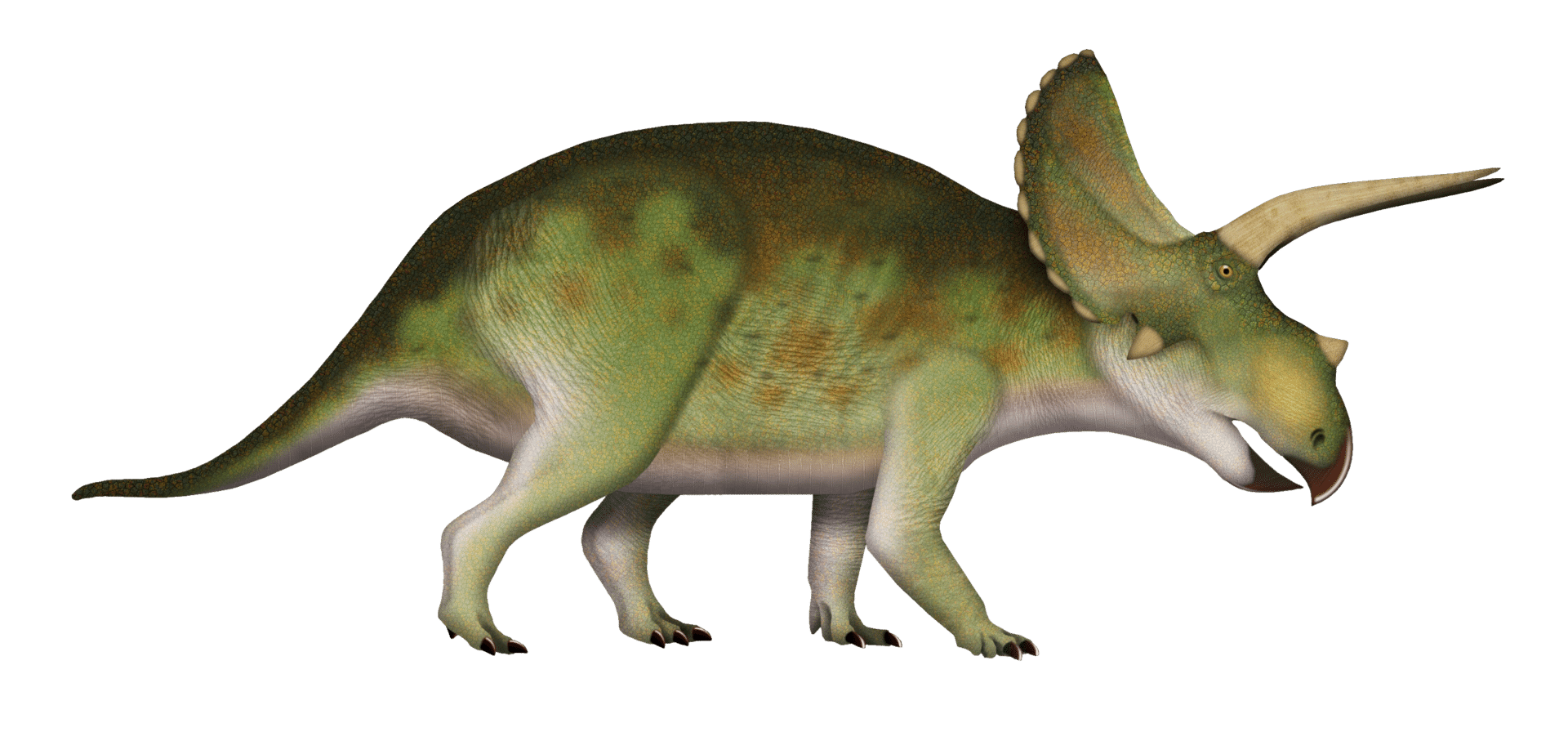
Meet Eotriceratops, a large horned dinosaur from Alberta’s Horseshoe Canyon Formation, known from one skeleton with a skull nearly 10 feet long.
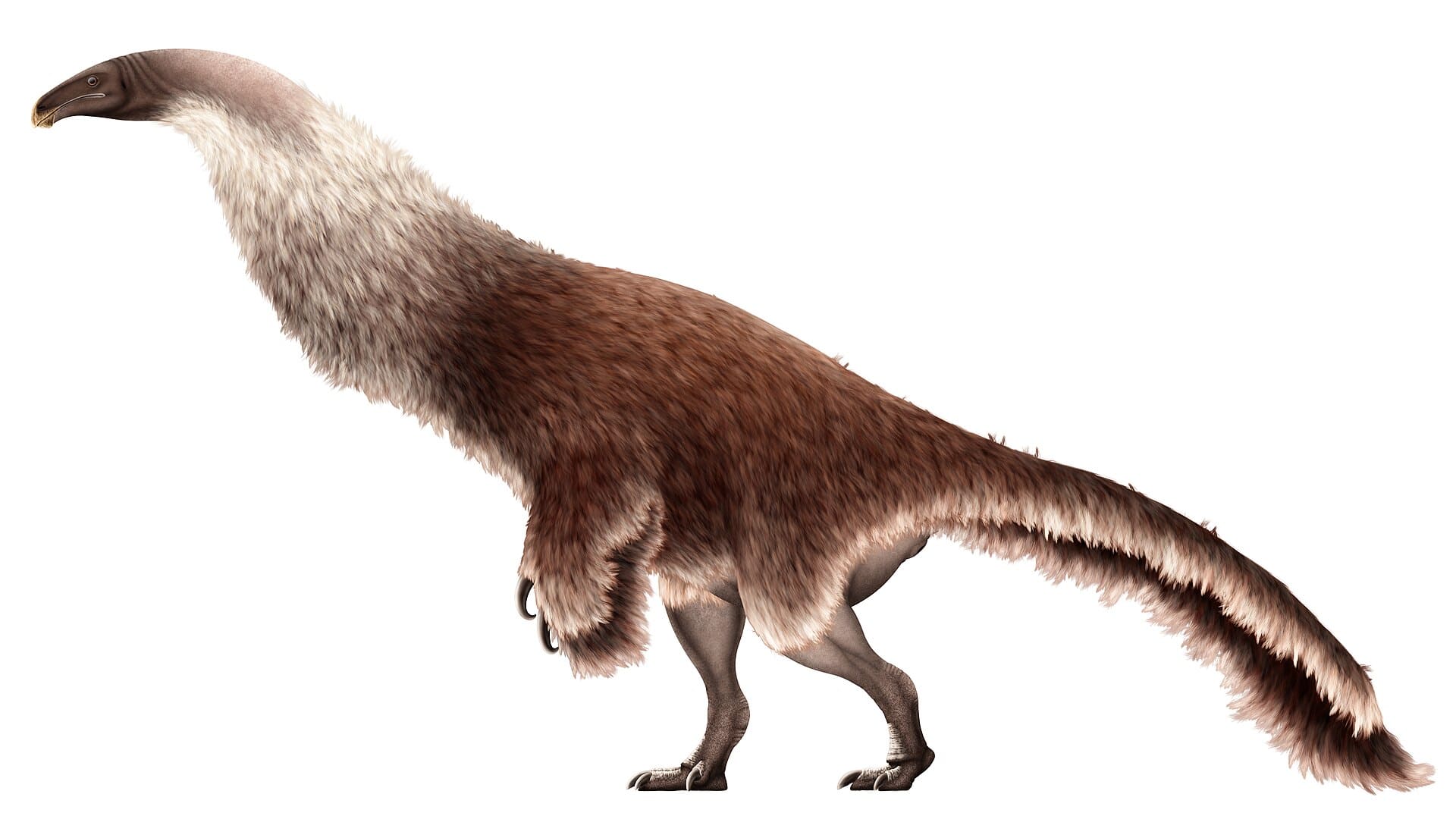
Meet Enigmosaurus, a Late Cretaceous therizinosaur from Mongolia known only from an odd pelvis and sacrum that still keep their secrets.
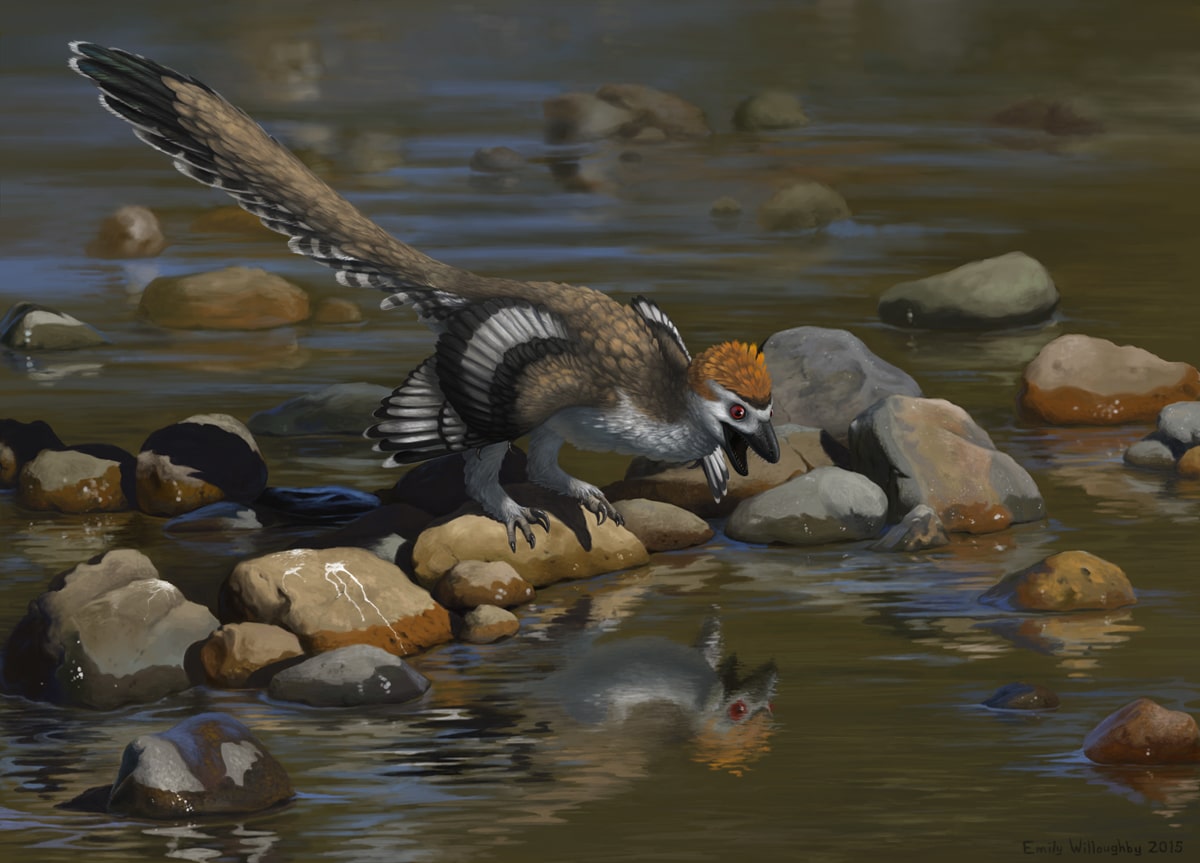
Meet Zhenyuanlong, a large, short-armed dromaeosaurid from Early Cretaceous China with big feathered wings it probably could not fly with.
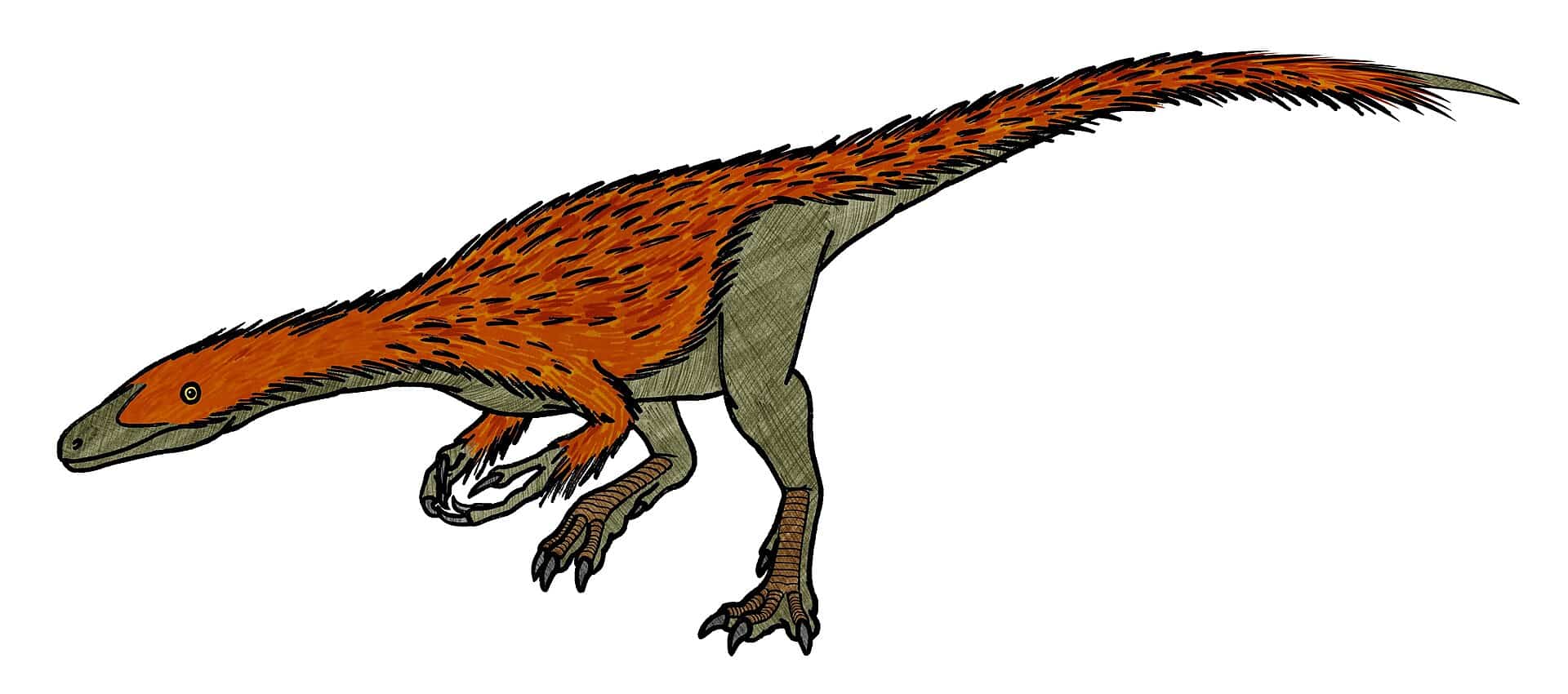
Meet Coelurus, a small, hollow-boned theropod from Late Jurassic Wyoming whose place on the dinosaur family tree is still debated.
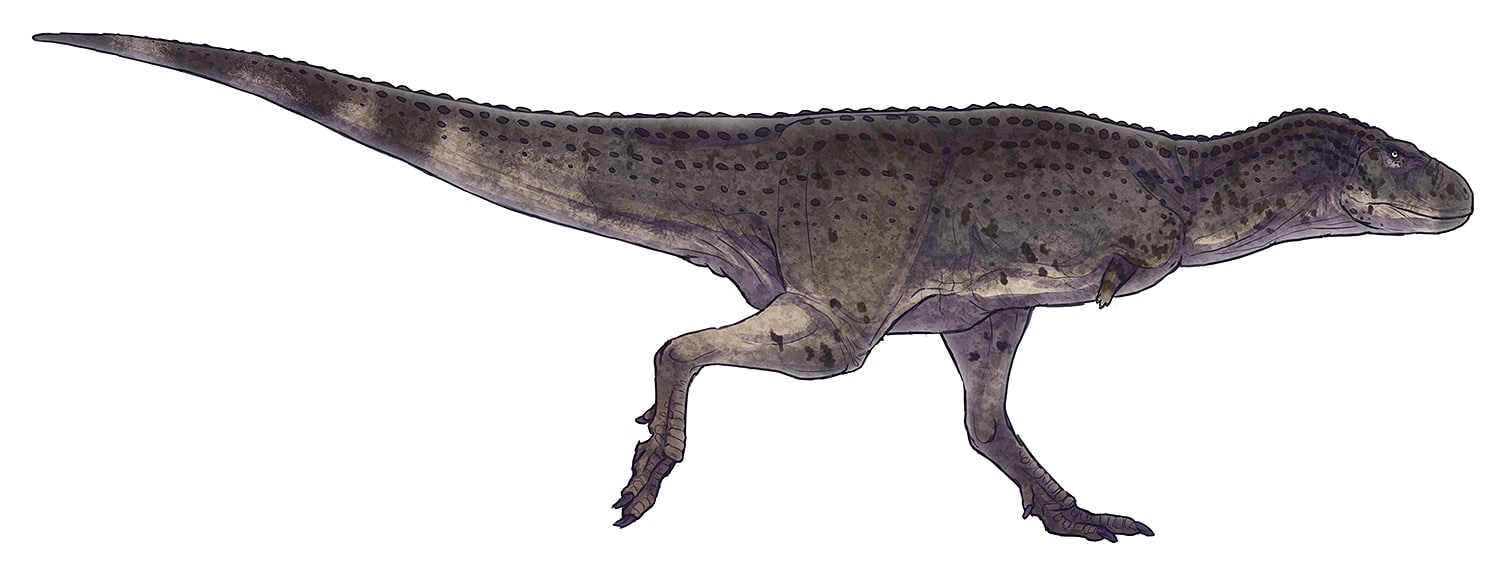
Meet Aucasaurus, a close relative of Carnotaurus from Patagonia’s Anacleto Formation, with swollen brows and a stiff, air-filled tail.
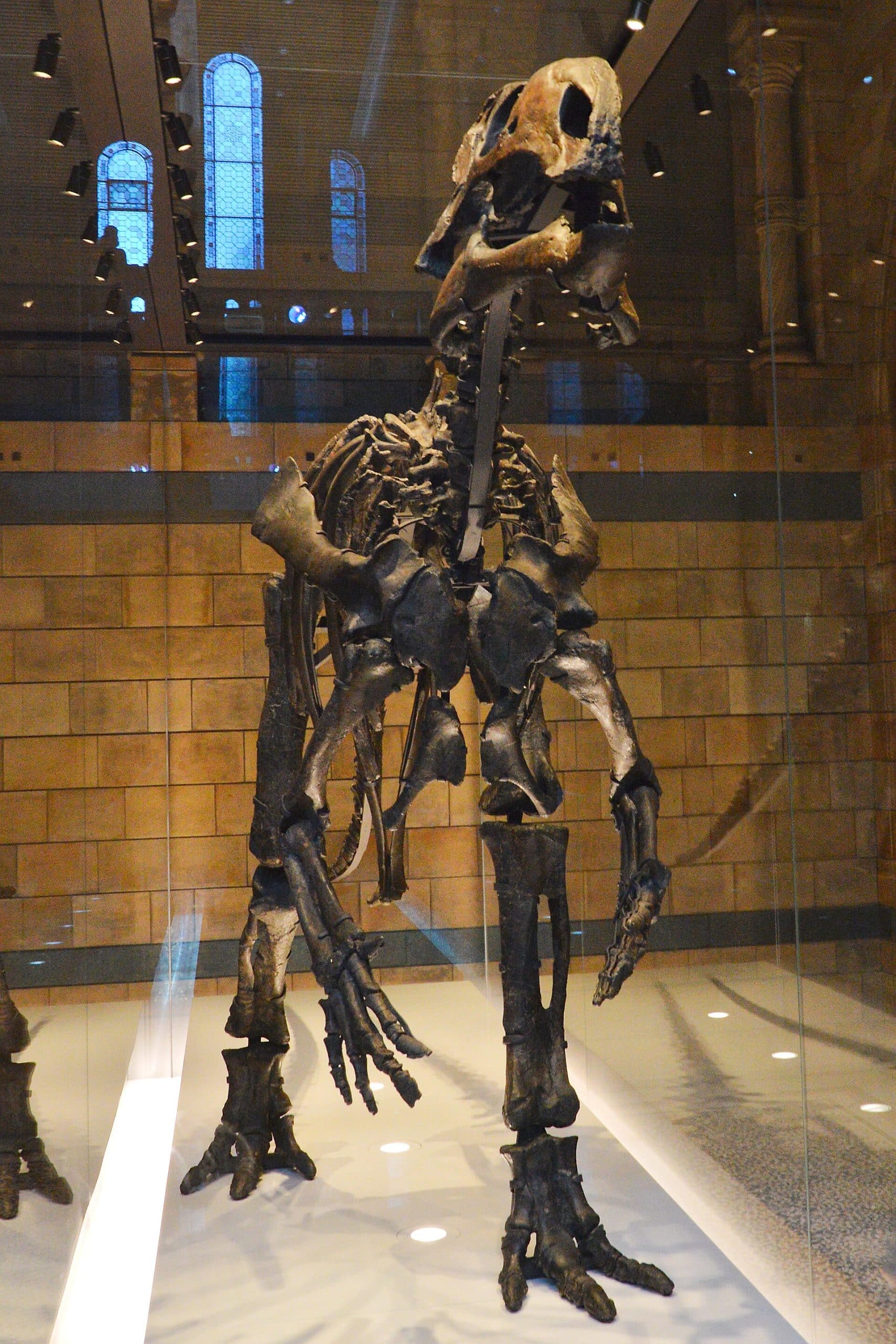
Meet Mantellisaurus, a lightly built iguanodontian from the Early Cretaceous Isle of Wight, known from one of Britain’s most complete dinosaur skeletons.
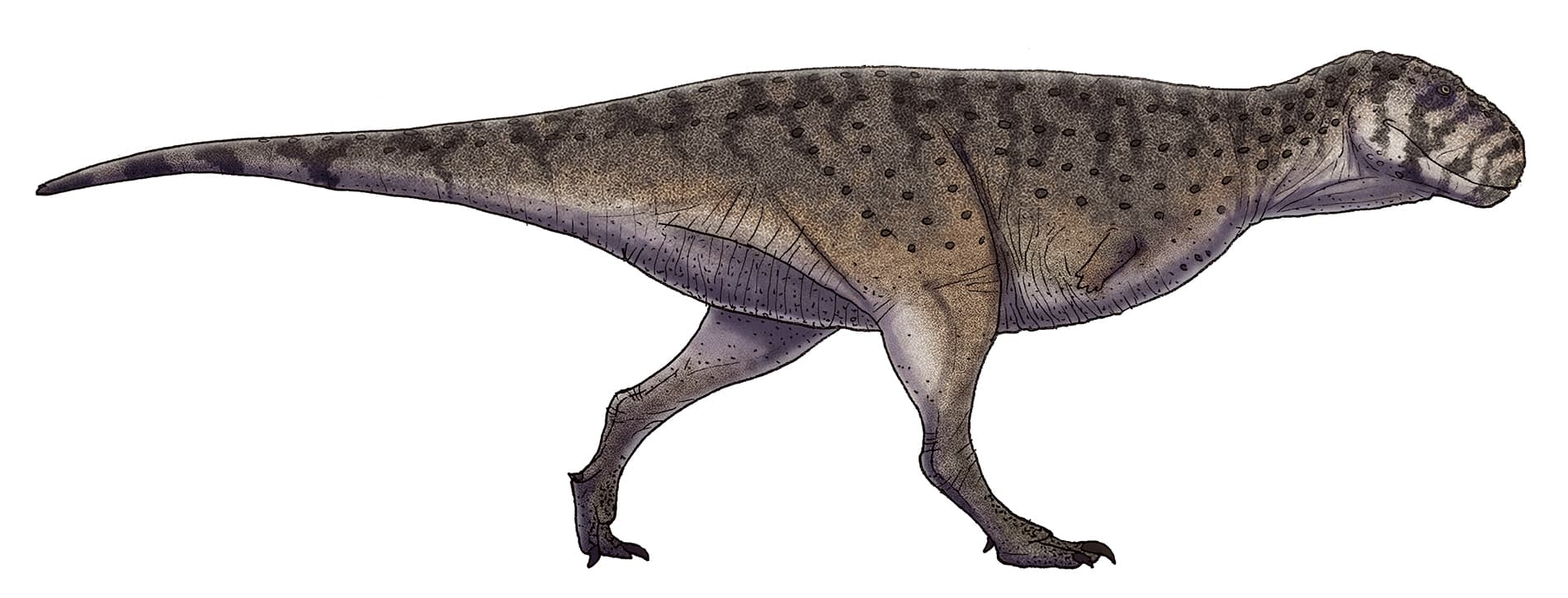
Meet Skorpiovenator, an ornamented abelisaurid from Patagonia whose near-complete skull holds more teeth than that of any other known abelisaurid.
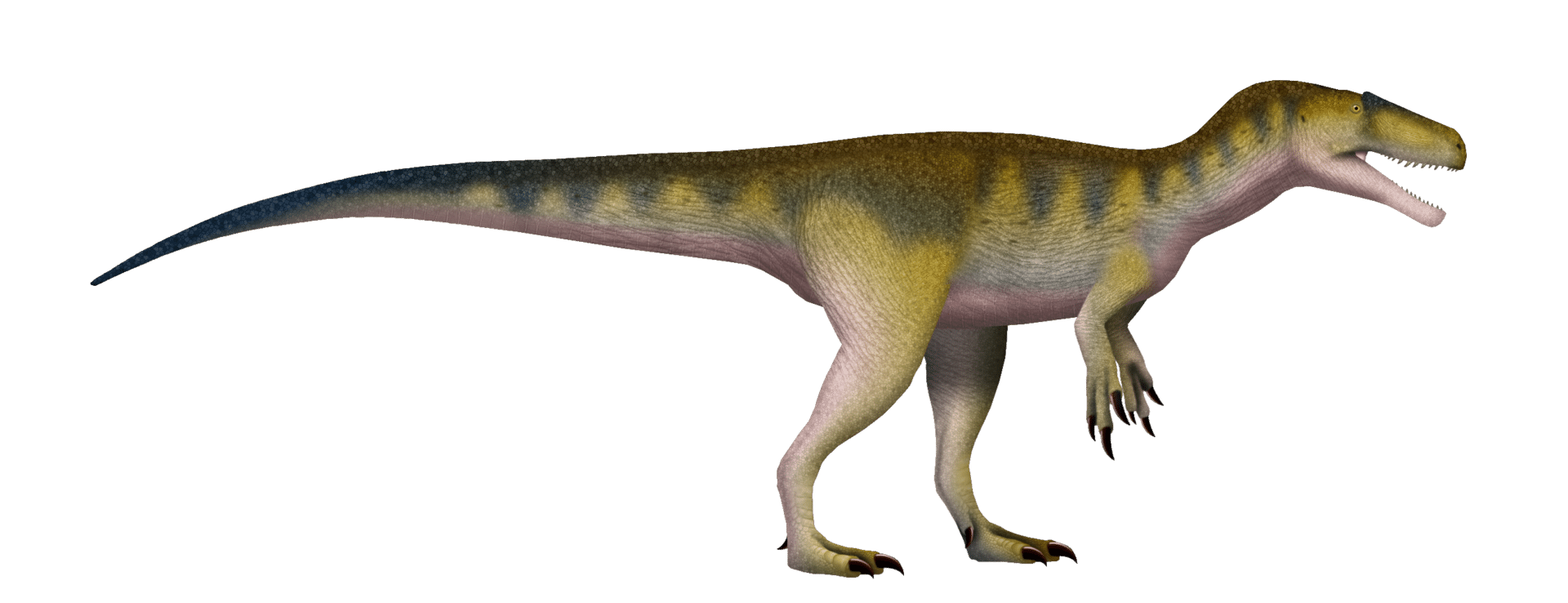
Meet Marshosaurus, a Late Jurassic predator from Utah’s Morrison Formation, pieced together from scattered jaws, teeth and hip bones.
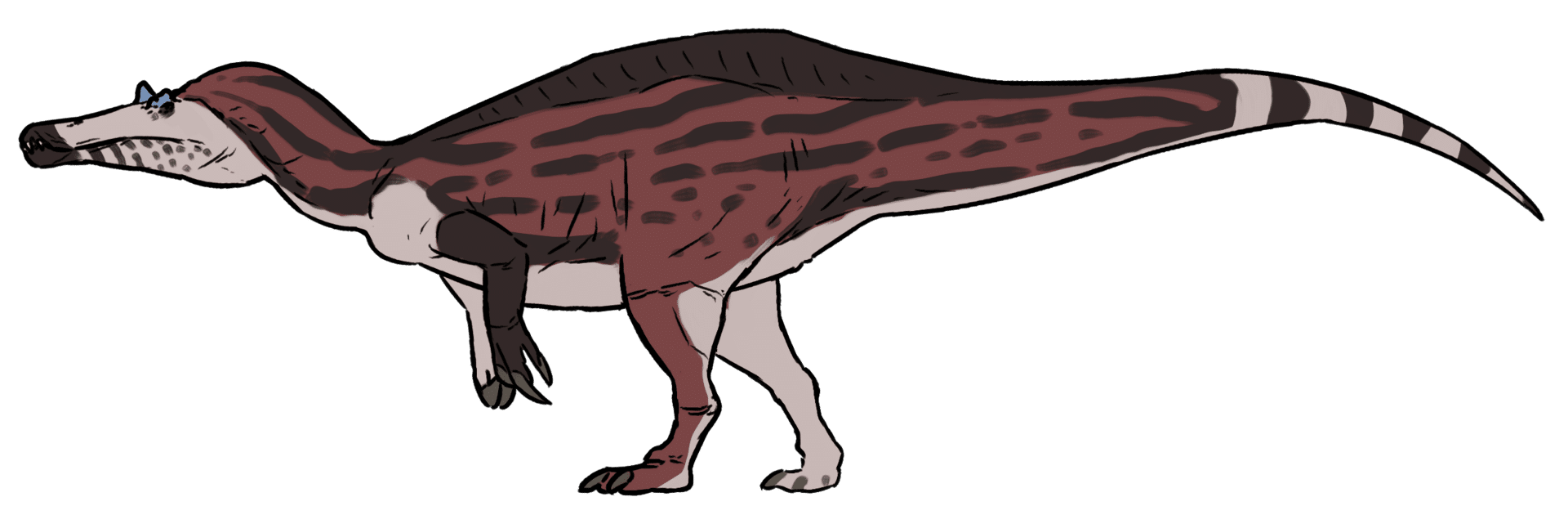
Meet Ceratosuchops, a spinosaurid from the Isle of Wight’s Early Cretaceous, known from a snout tip, a braincase, and a knobbly brow.
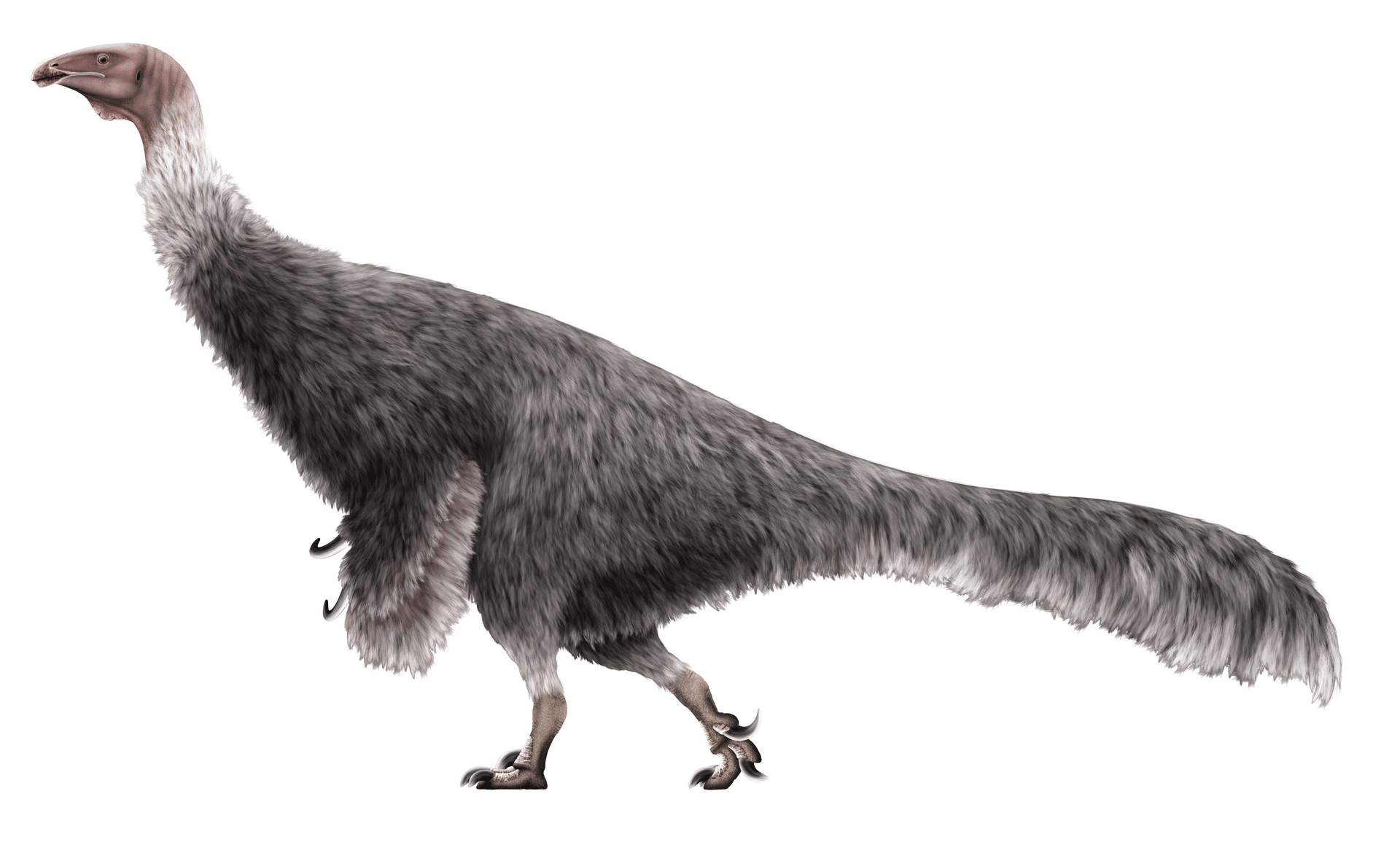
Meet Erlikosaurus, a medium-sized therizinosaur from Mongolia’s Late Cretaceous whose skull ranks among the best-preserved of its strange group.
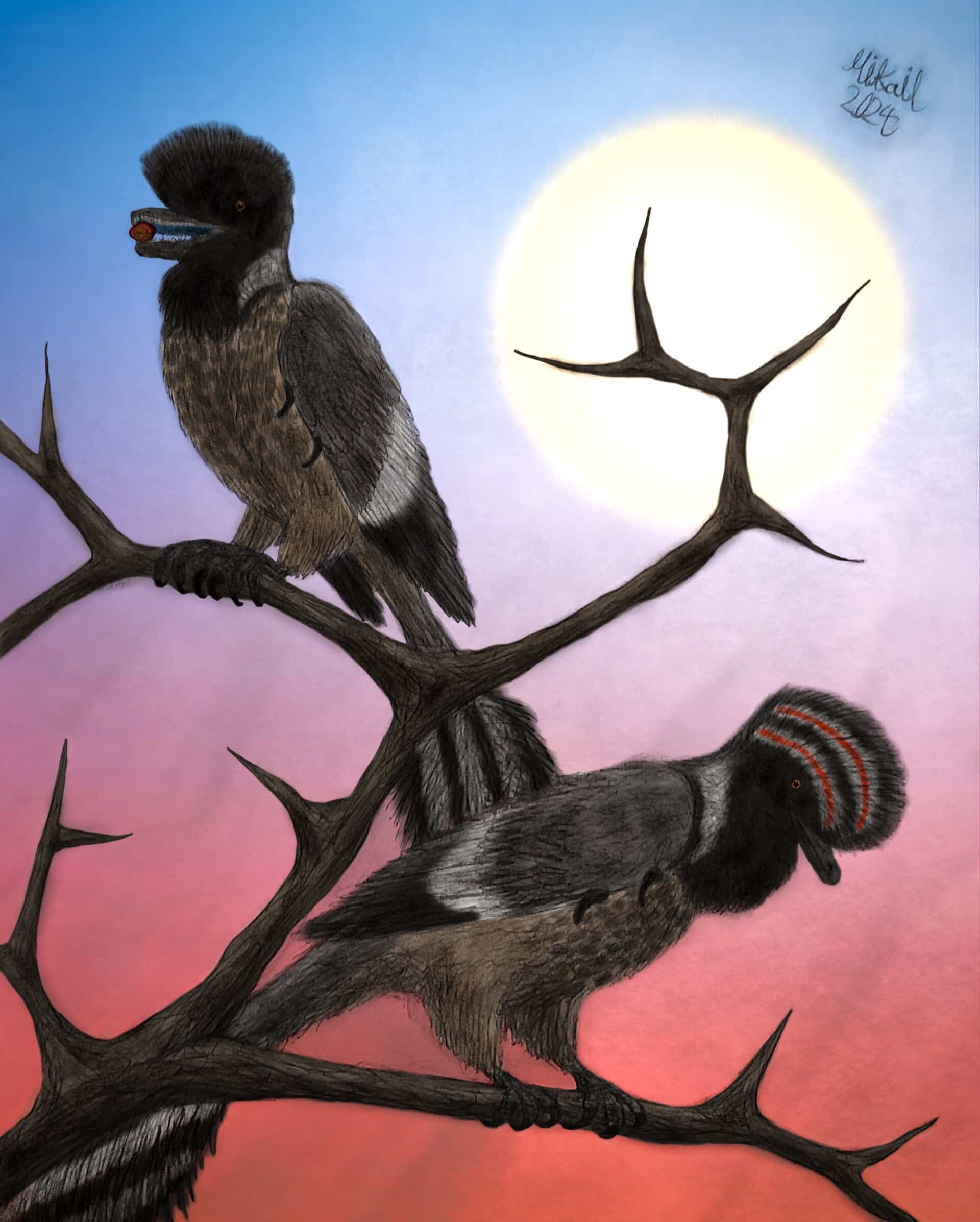
Meet Rahonavis, a raven-sized paravian from Late Cretaceous Madagascar with a sickle-like toe claw, very long forearms and a disputed family tree.
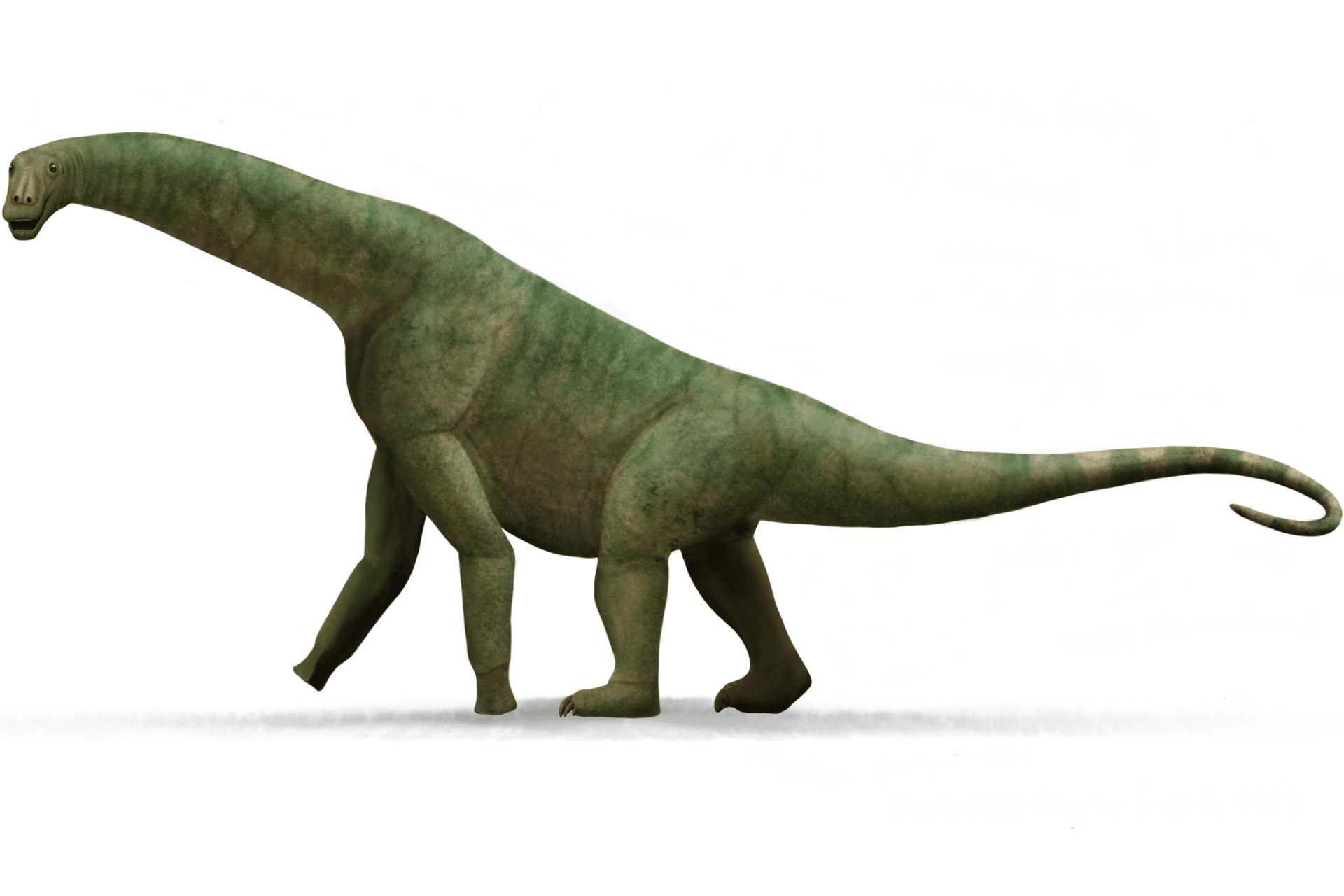
Meet Isisaurus, a titanosaur from India’s latest Cretaceous, known from a 65-bone partial skeleton dug from the Lameta Formation at Dongargaon.
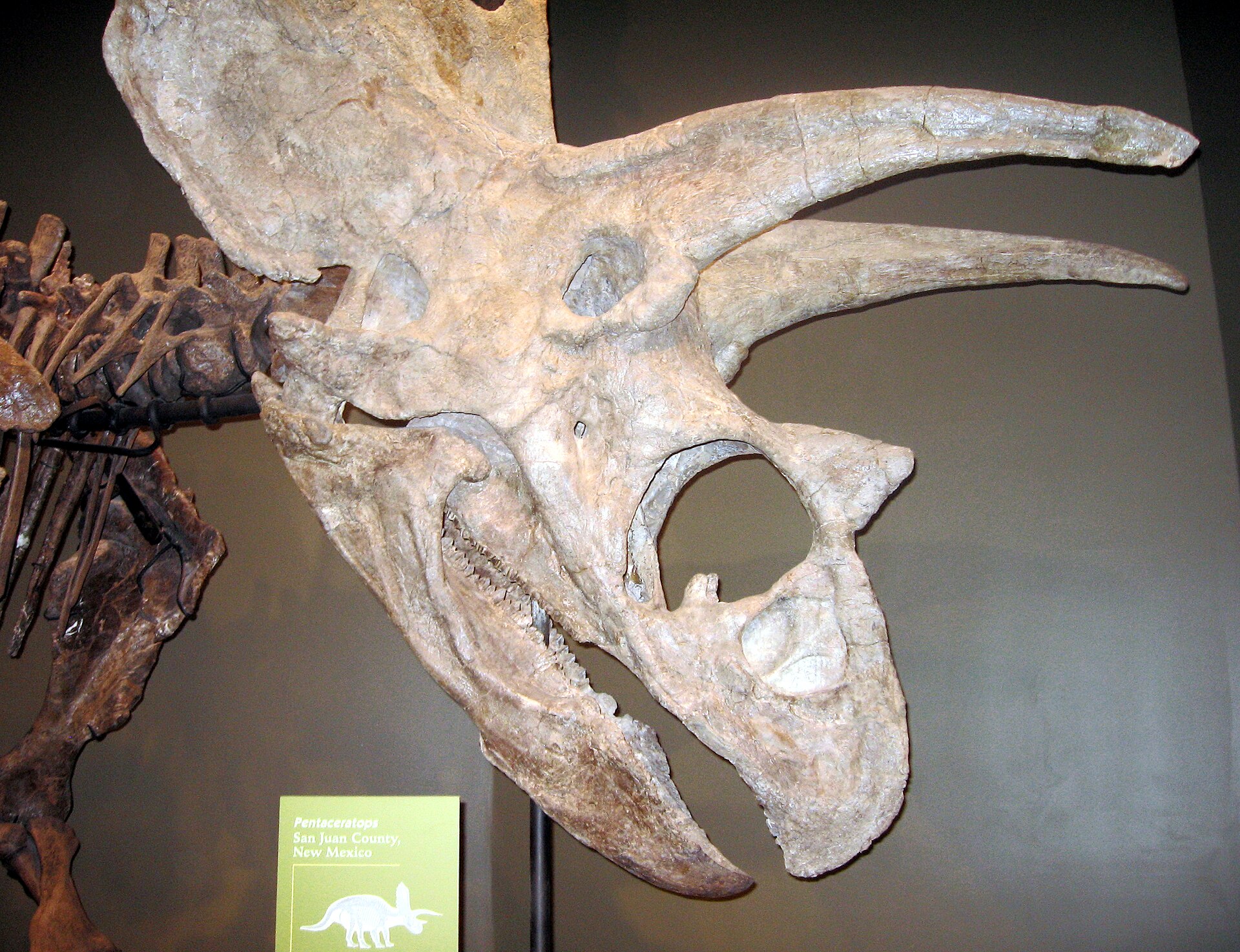
Meet Titanoceratops, a giant horned dinosaur from New Mexico whose 1941 skeleton is still debated as a separate genus or an old Pentaceratops.
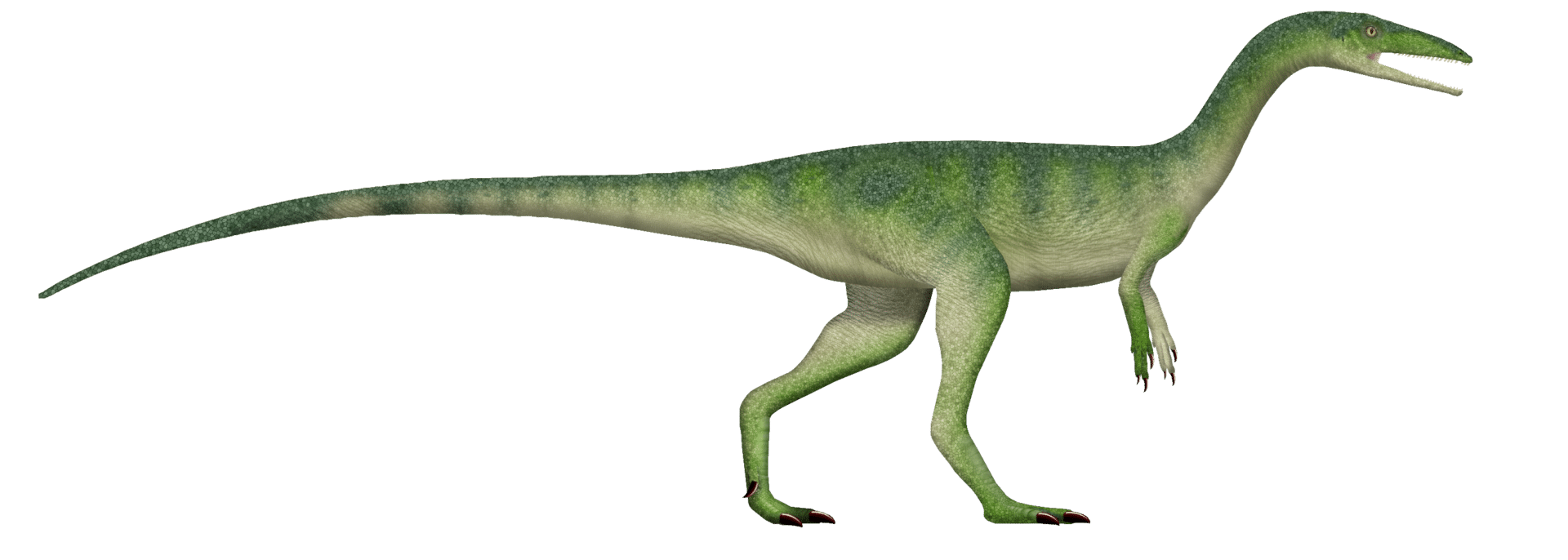
Meet Megapnosaurus, a slender, two-legged theropod from Zimbabwe’s Early Jurassic whose name and link to Coelophysis are still debated.
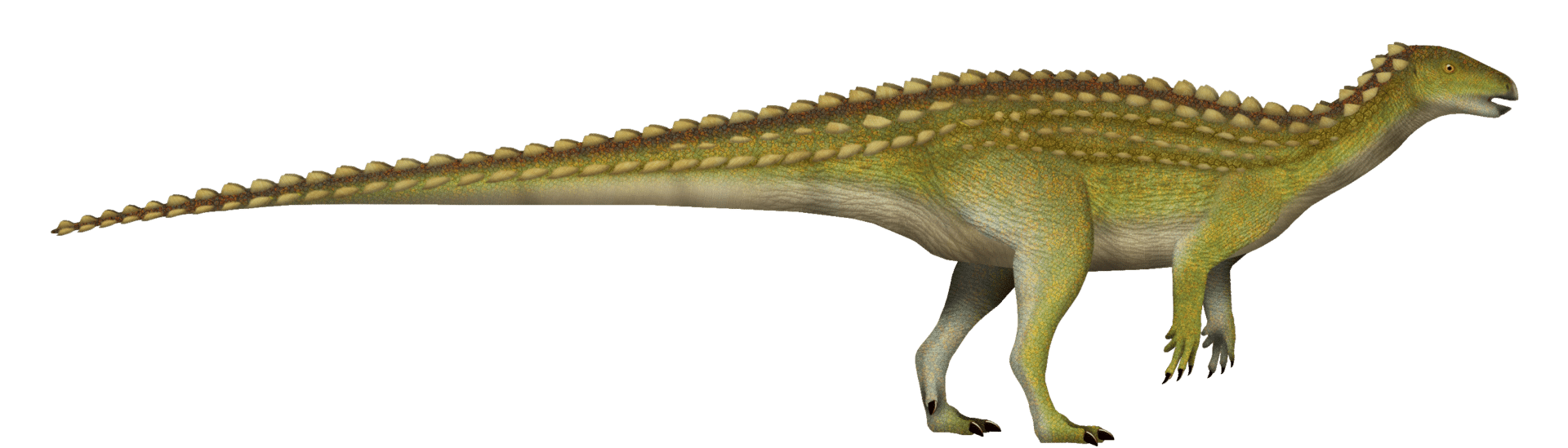
Meet Scutellosaurus, an early armored dinosaur from Arizona’s Kayenta Formation that carried hundreds of bony scutes and walked on two legs.
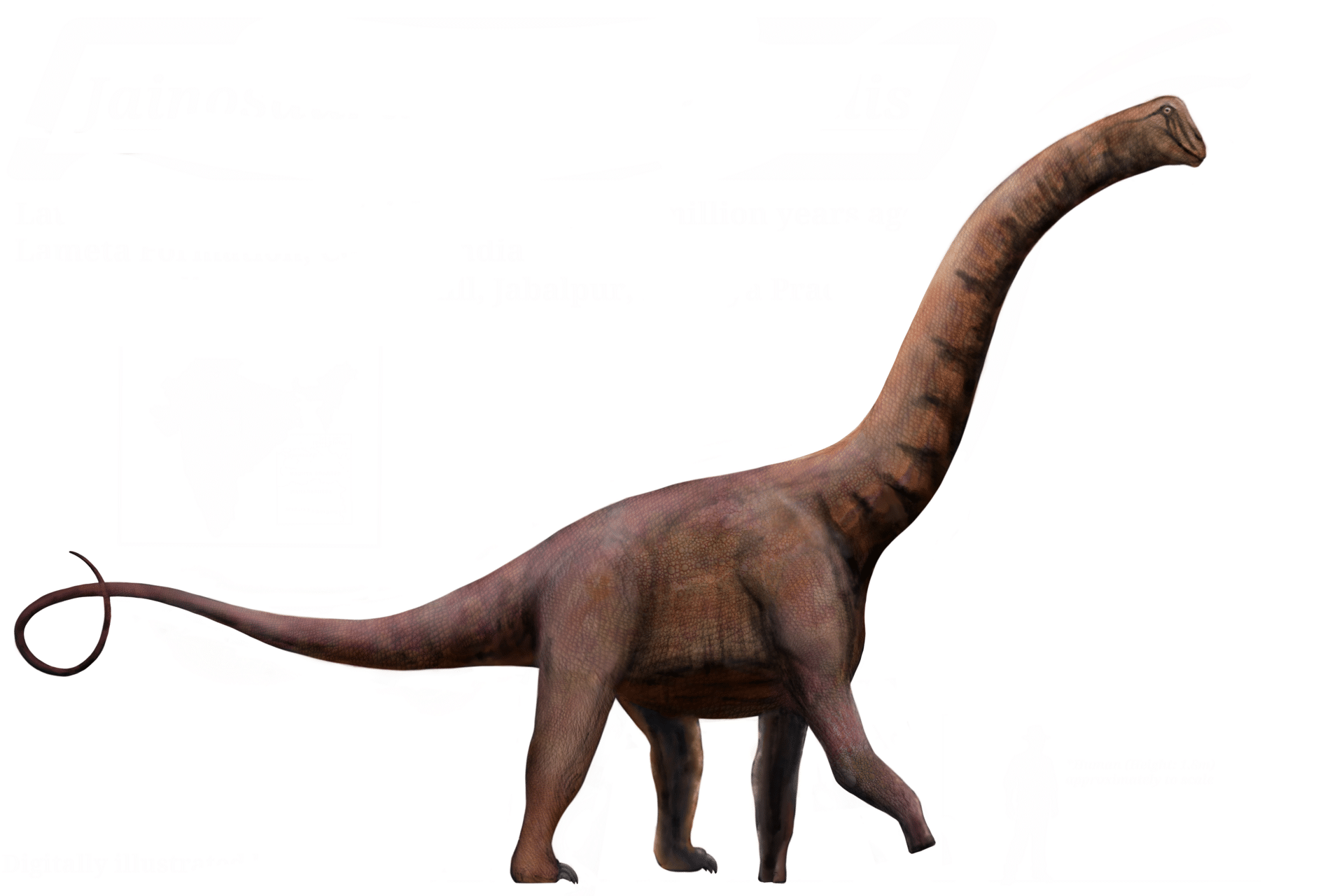
Meet Jainosaurus, a titanosaur from India’s Late Cretaceous Lameta Formation, first named as a northern species of Patagonia’s Antarctosaurus.
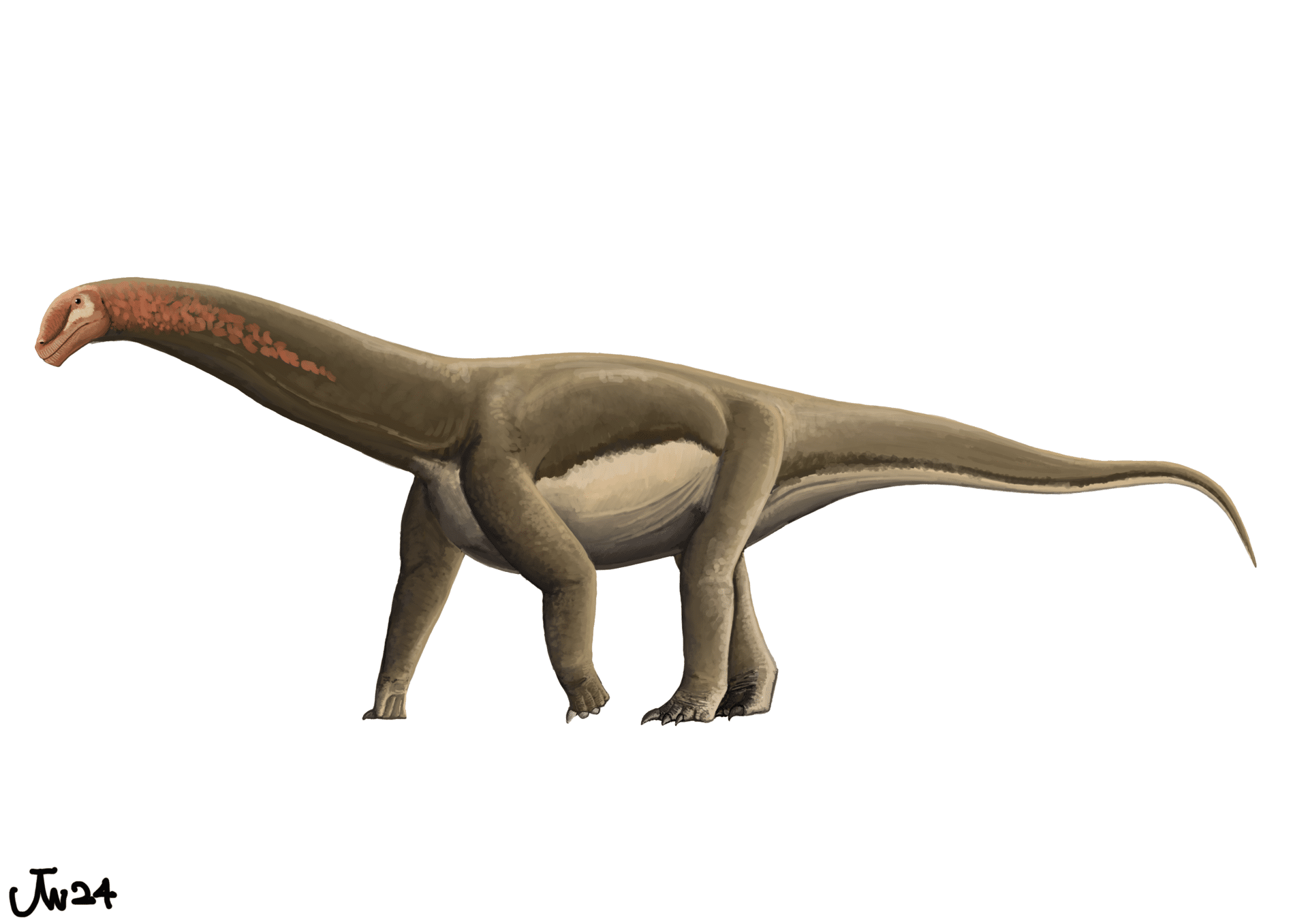
Meet Vulcanodon, one of the earliest sauropods, a heavy four-legged dinosaur from Zimbabwe’s Early Jurassic found on an island in Lake Kariba.
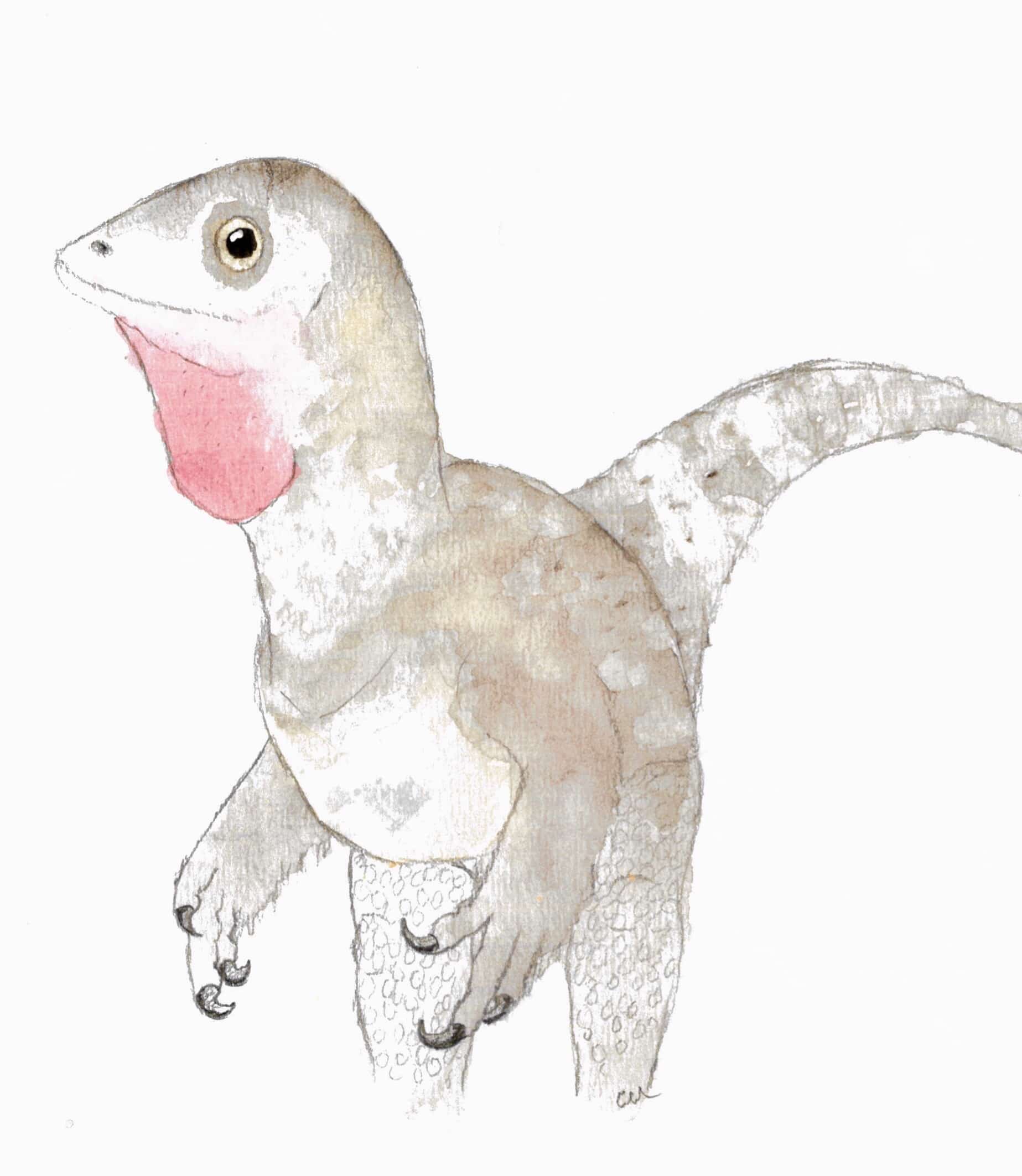
Meet Scipionyx, a hatchling theropod from Early Cretaceous Italy whose fossil preserves its intestine, muscles, and even its last meals.
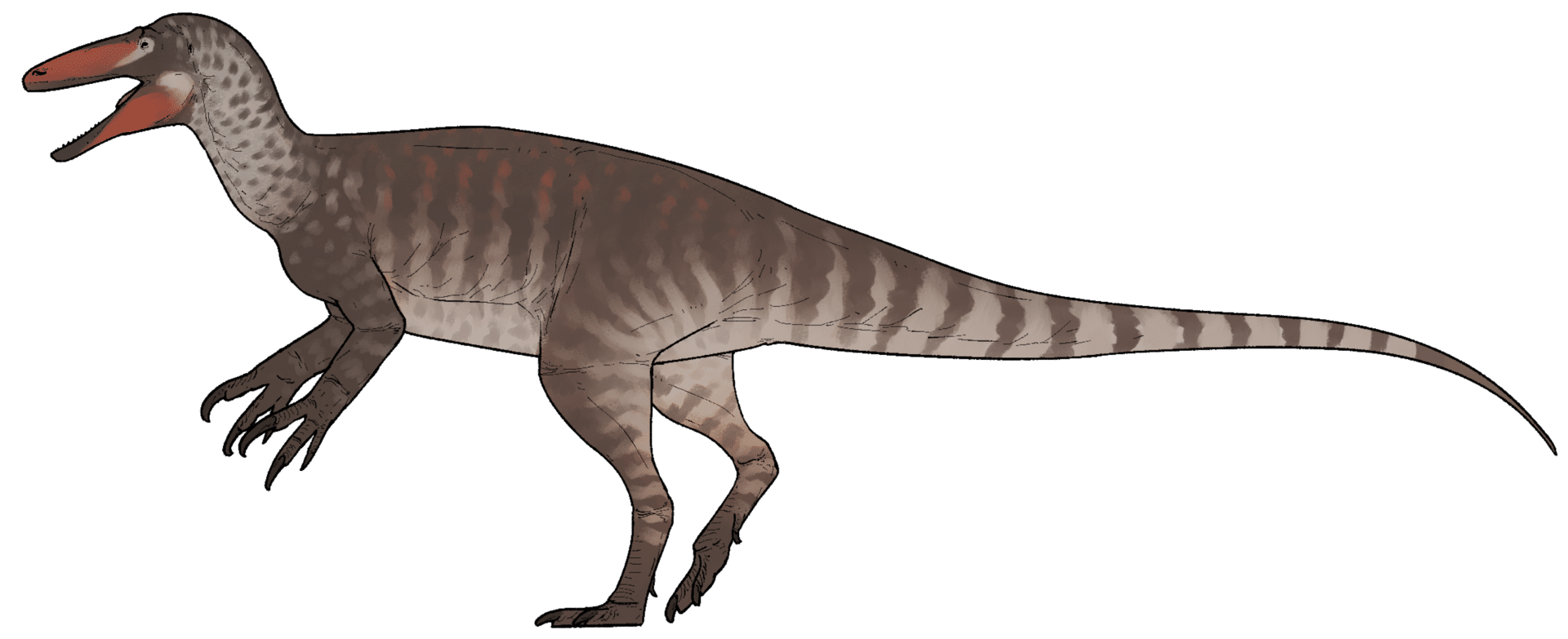
Meet Joaquinraptor, a late Maastrichtian megaraptorid from Patagonia with massive arms and a crocodyliform bone found between its jaws.
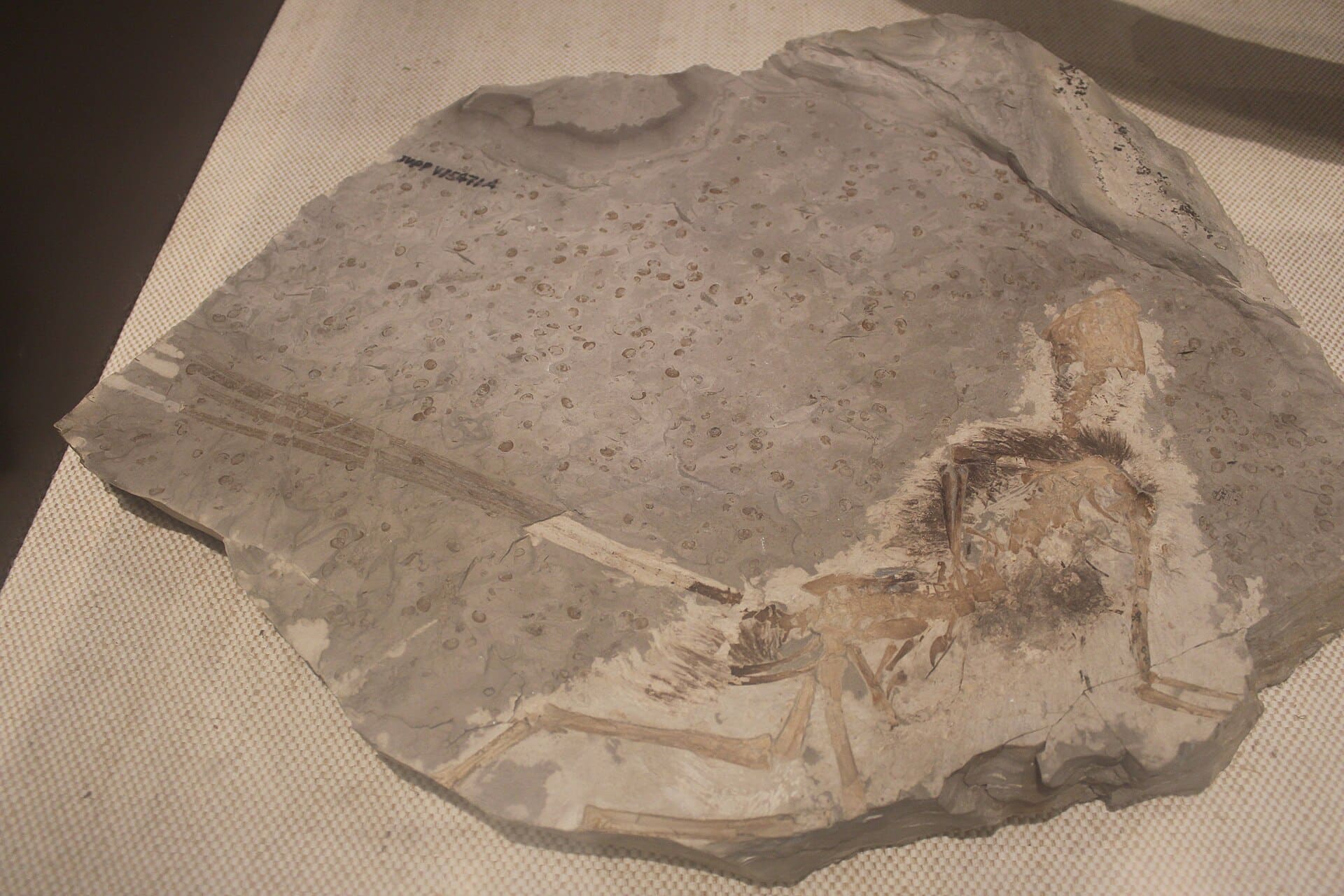
Meet Epidexipteryx, a pigeon-sized feathered theropod from China’s Middle Jurassic with forward-tilted teeth and four ribbon-like tail feathers.
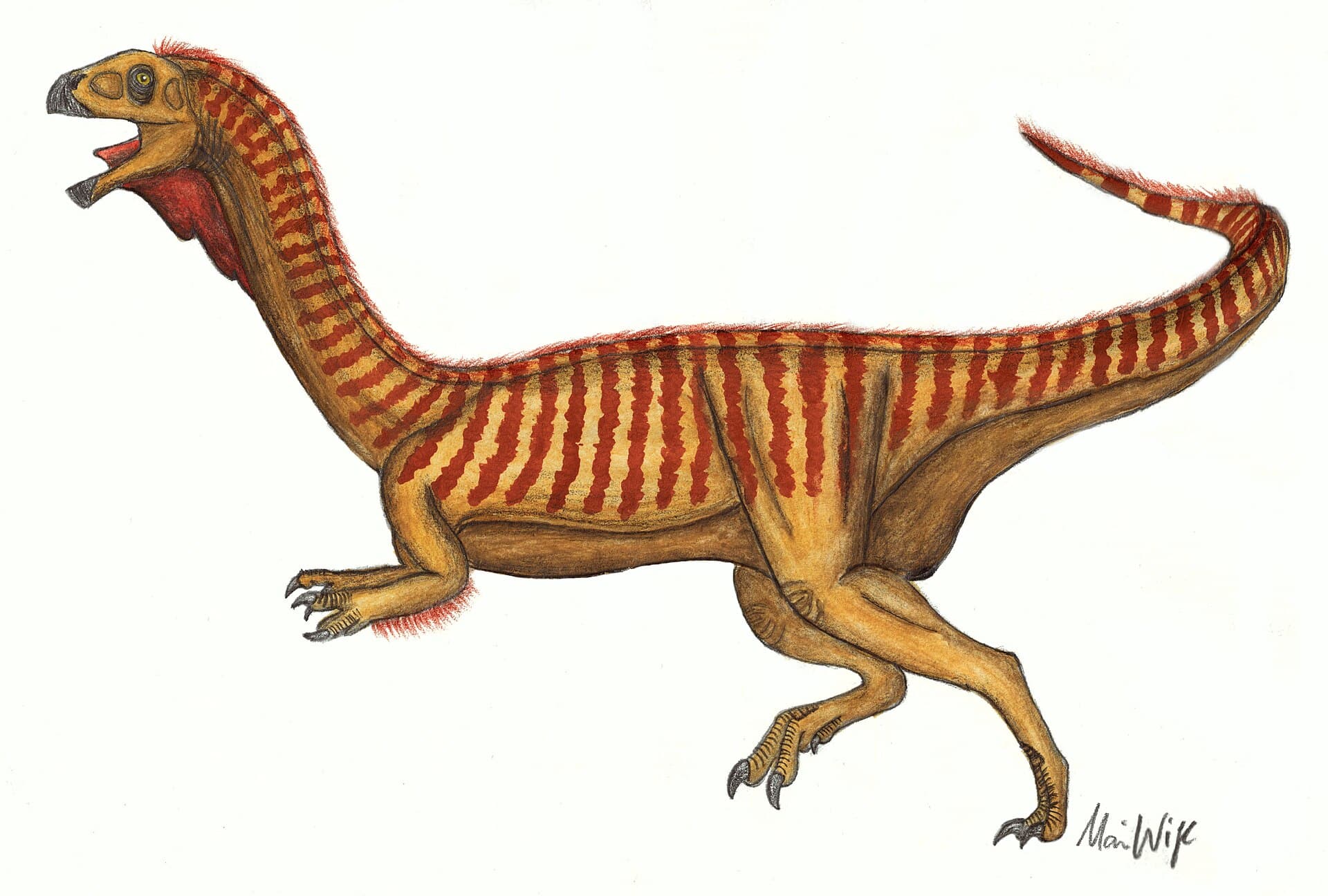
Meet Chilesaurus, a small plant-eater from Chile’s Late Jurassic whose patchwork skeleton still divides paleontologists over where it belongs.
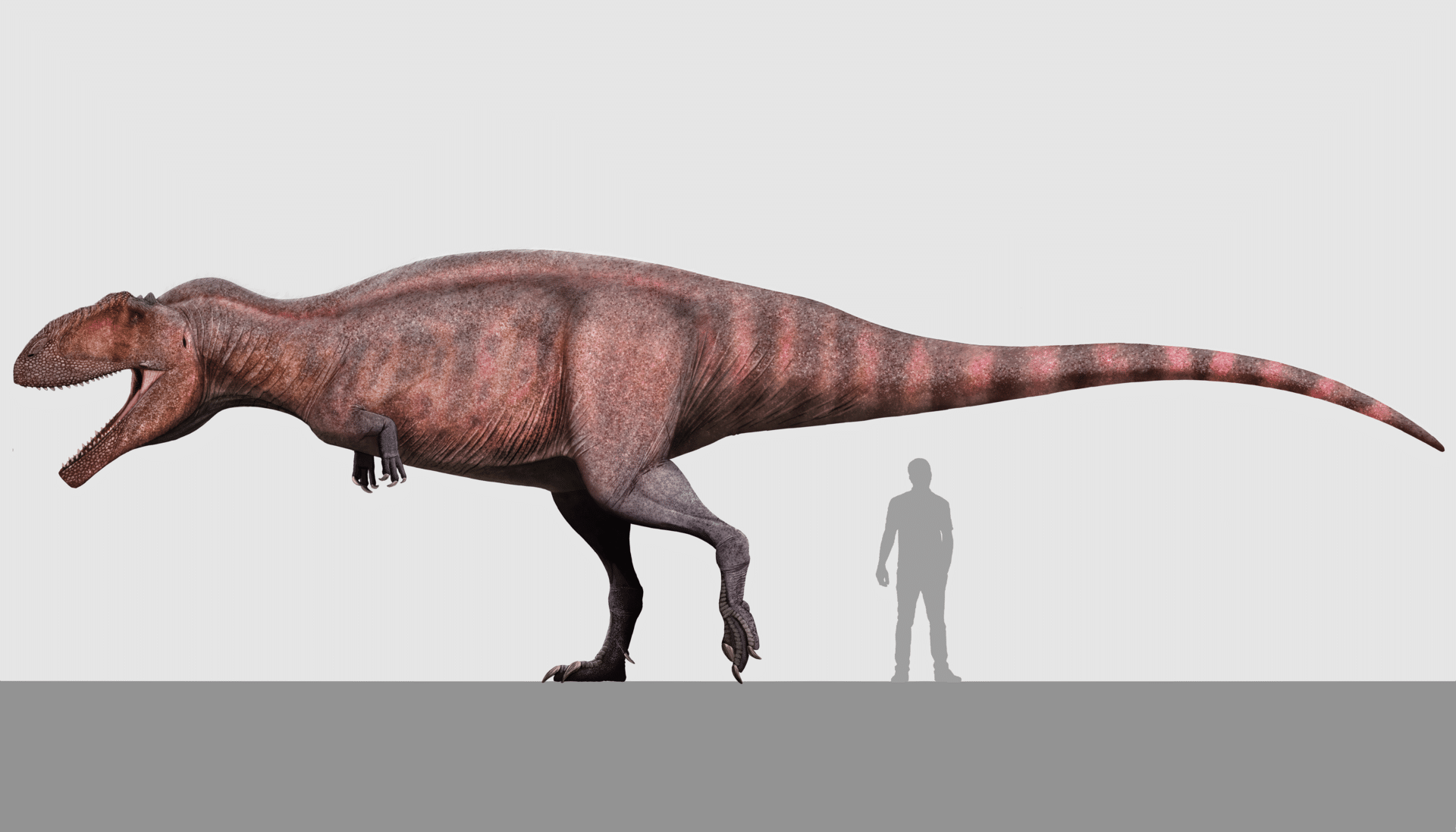
Meet Taurovenator, a carcharodontosaurid from Patagonia’s Huincul Formation, named from one horned brow bone and debated ever since.
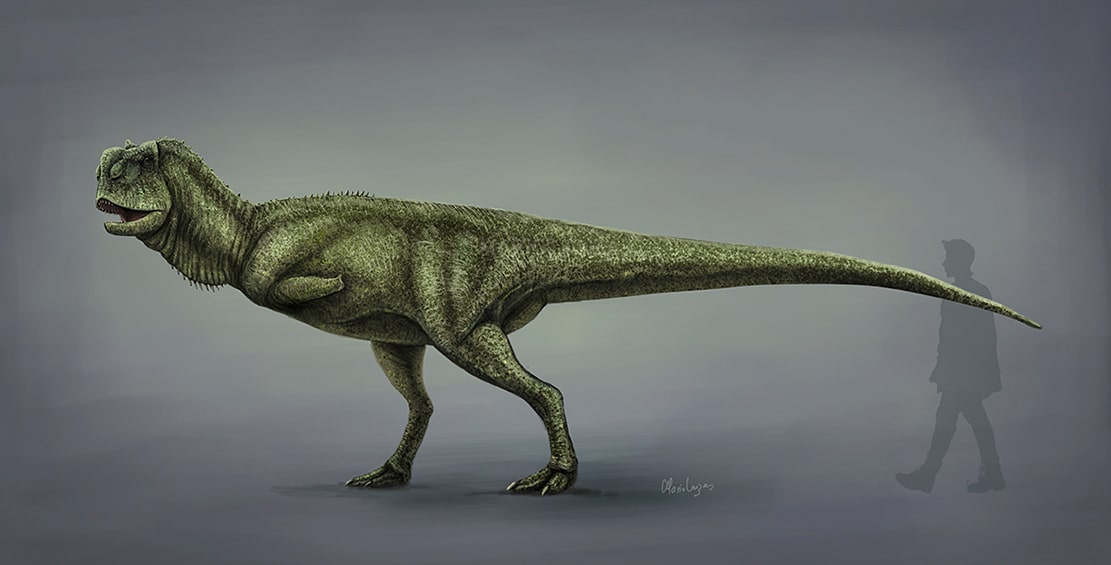
Meet Pycnonemosaurus, a Late Cretaceous abelisaurid from Mato Grosso, Brazil, known from a few leg and tail bones and estimated as its family’s largest.
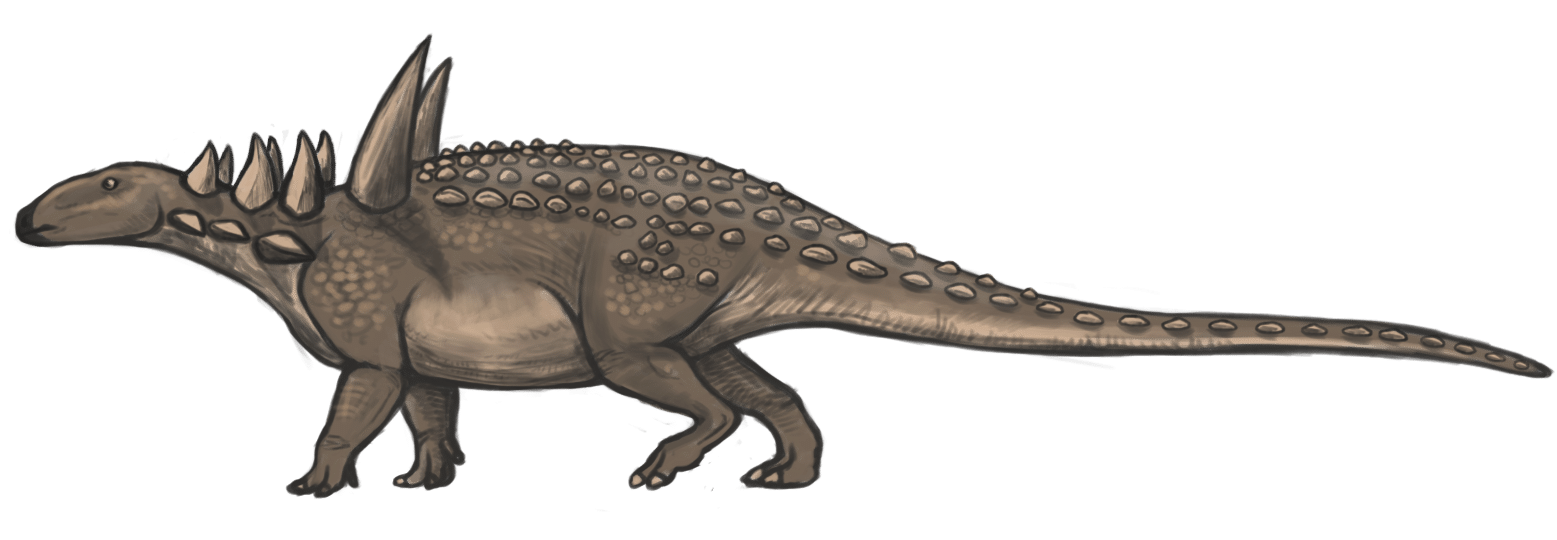
Meet Sauropelta, a spiny-flanked armored dinosaur from the Early Cretaceous Cloverly Formation of Montana and Wyoming.
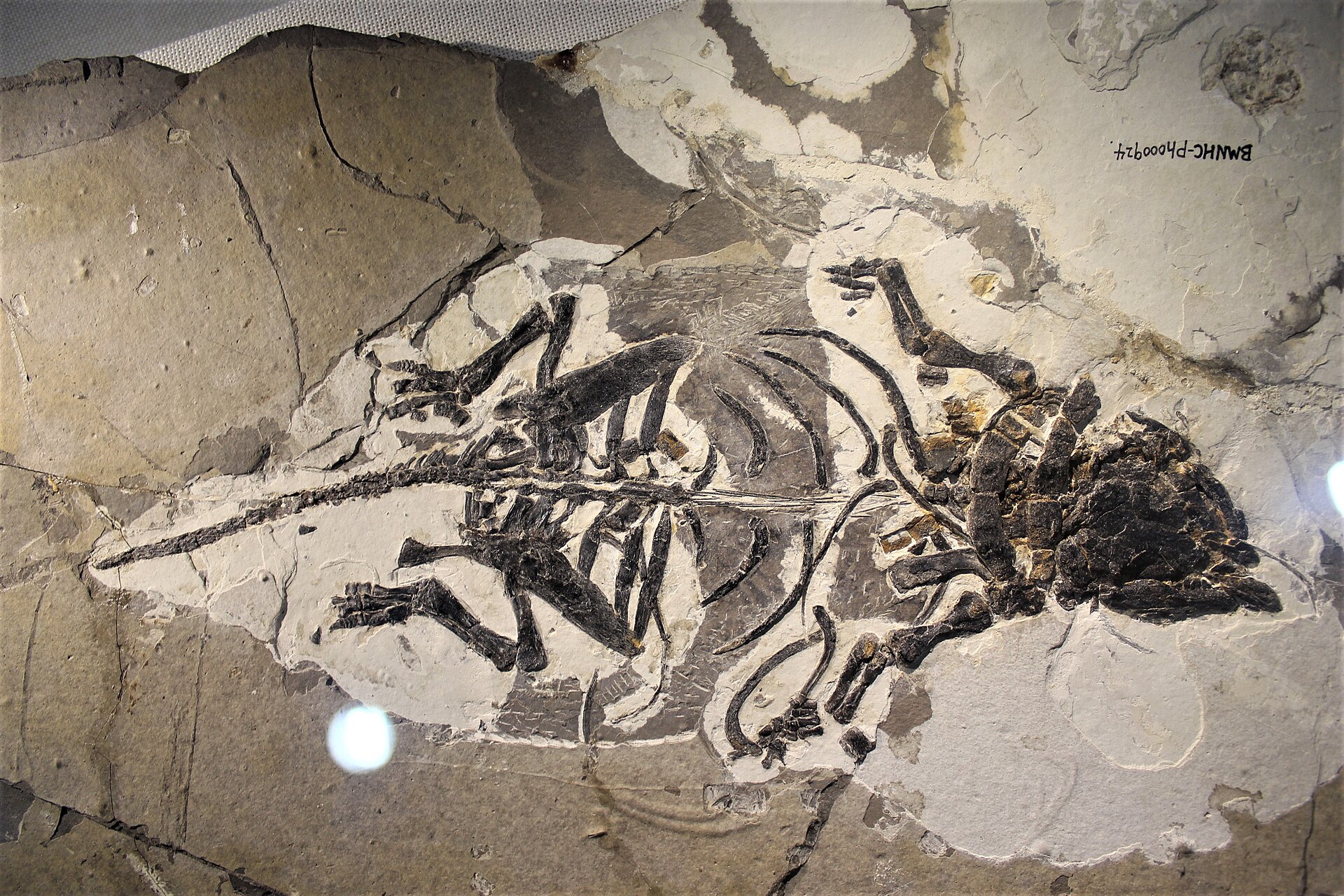
Meet Liaoningosaurus, a tiny ankylosaur from the Yixian Formation of Liaoning, China, known only from young animals and caught in a debate over fish.
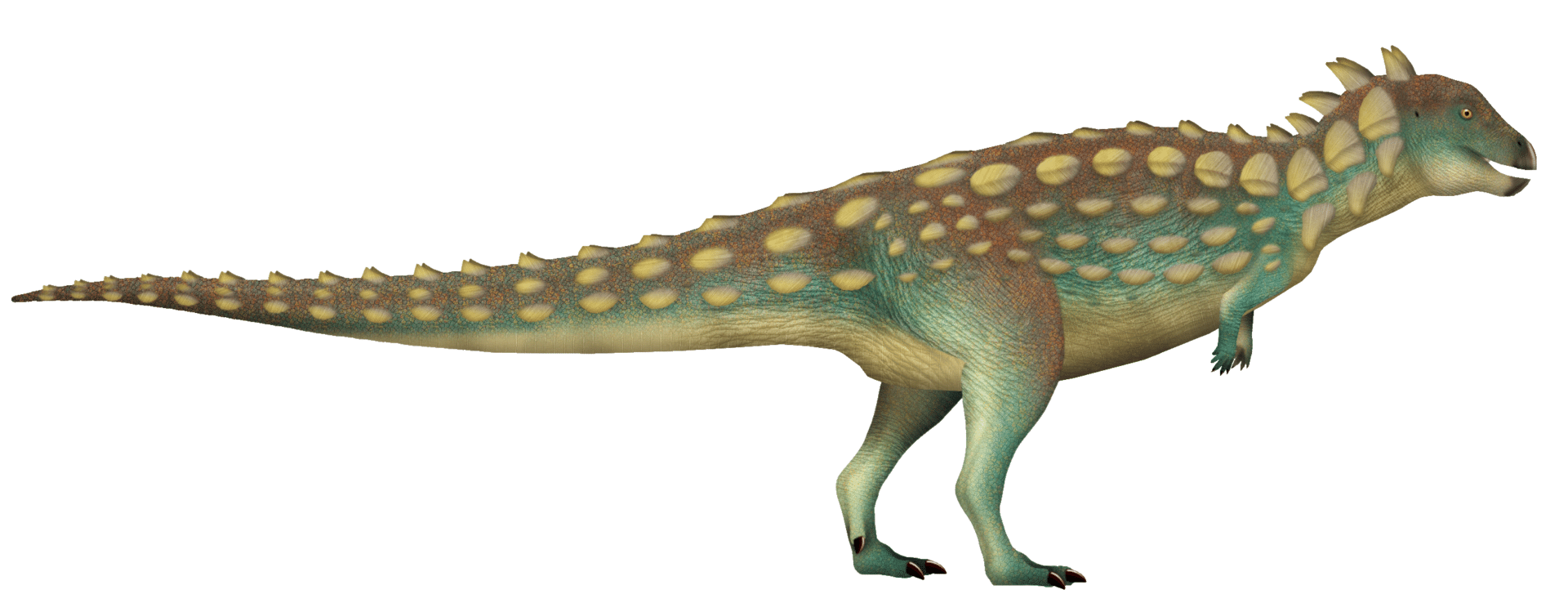
Meet Jakapil, a small armored herbivore from Patagonia that seems to have walked on two legs and whose crested jaw keeps its ancestry in debate.
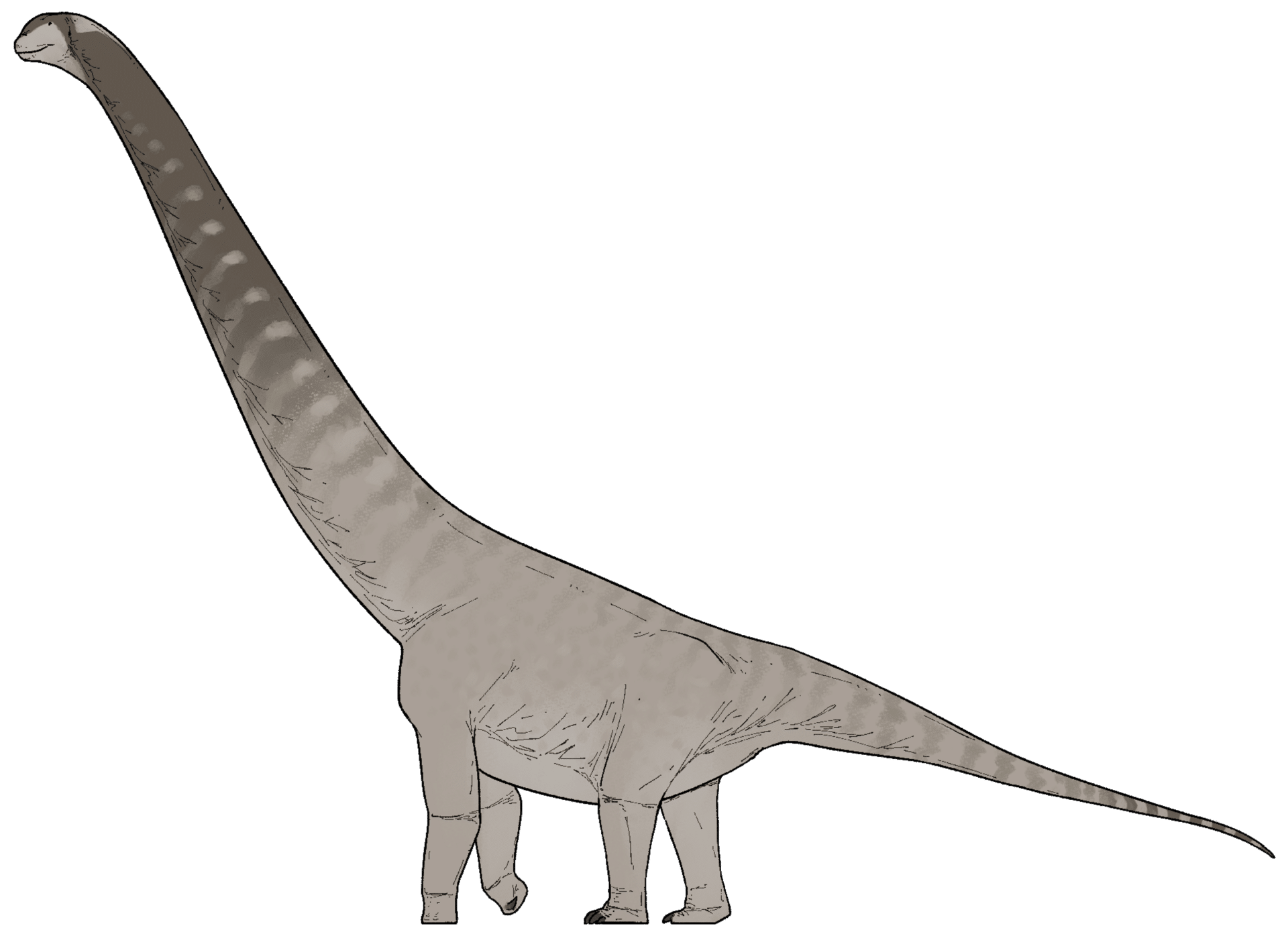
Meet Nagatitan, a 25- to 28-tonne sauropod from Thailand’s Khok Kruat Formation that its describers rank as the largest taxon yet known from Southeast Asia.
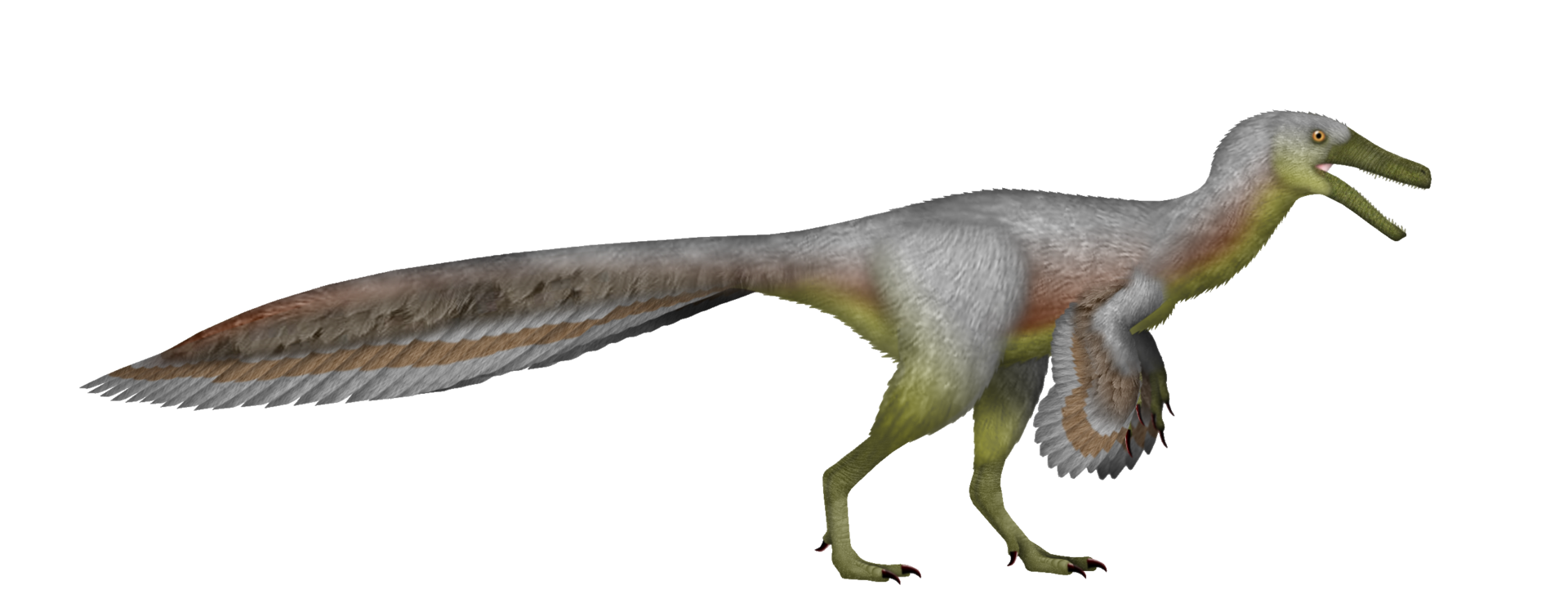
Meet Imperobator, a puzzling paravian theropod from Antarctica’s Late Cretaceous, known mostly from leg bones found on James Ross Island.
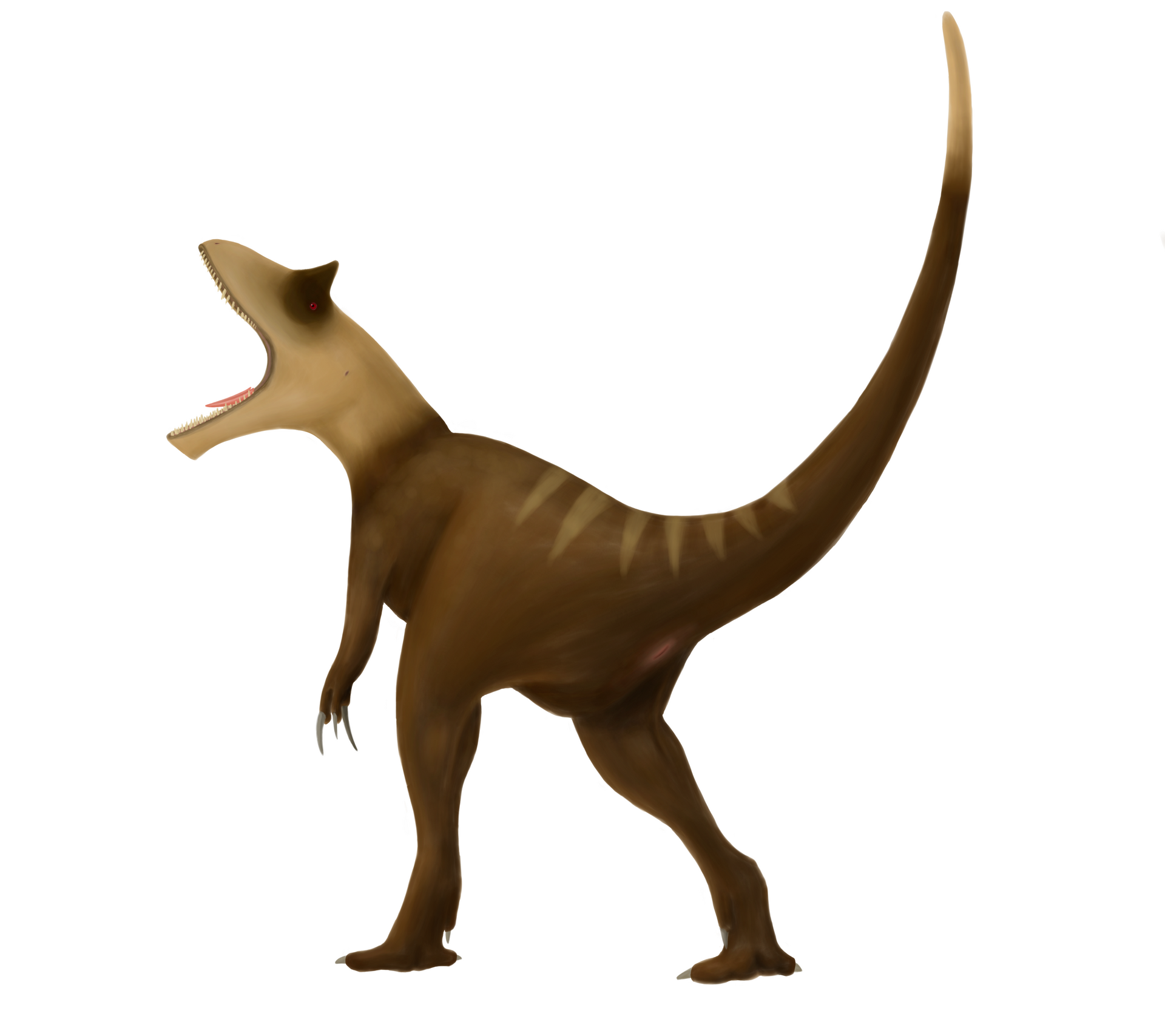
Meet Chilantaisaurus, a giant theropod from Inner Mongolia known from a massive arm, a hooked claw and long legs, its age and family tree still debated.
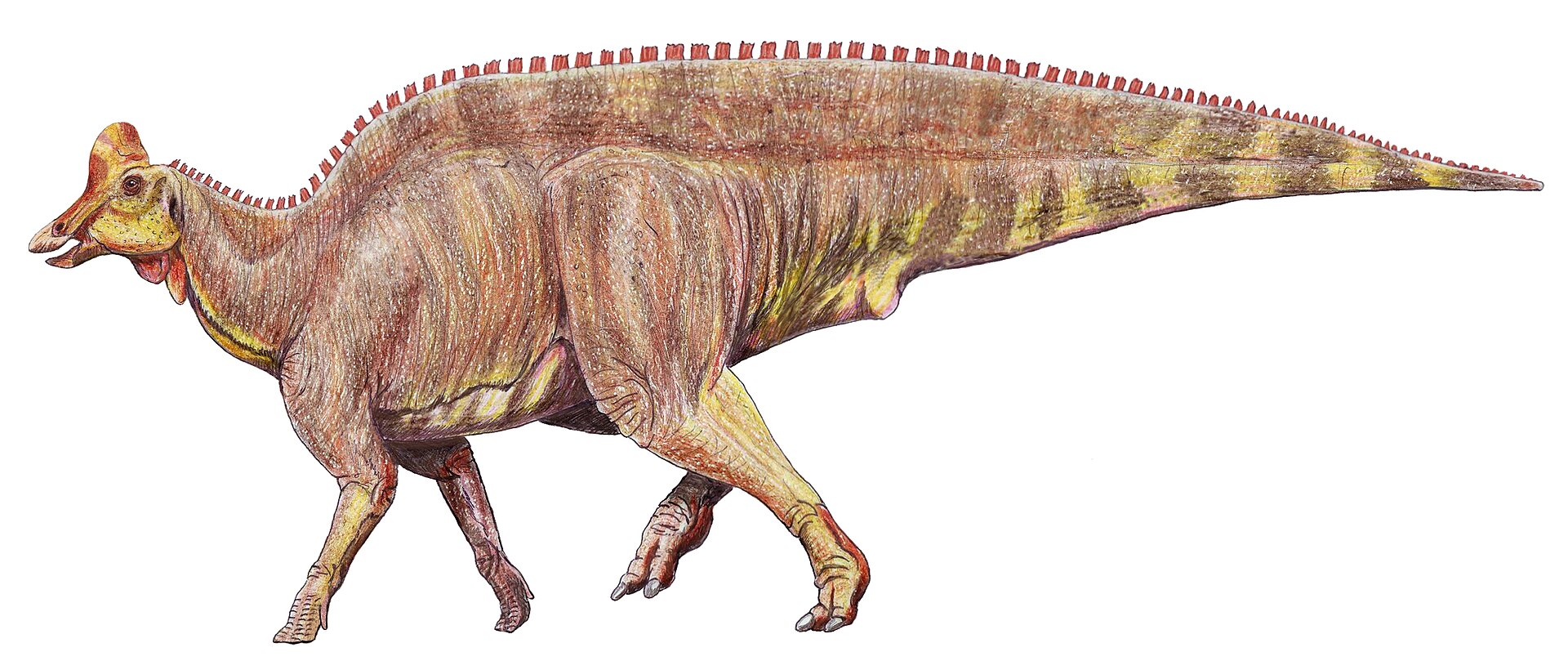
Meet Magnapaulia, a giant crested duck-billed dinosaur from Baja California with towering spines along its back and an unusually deep tail.
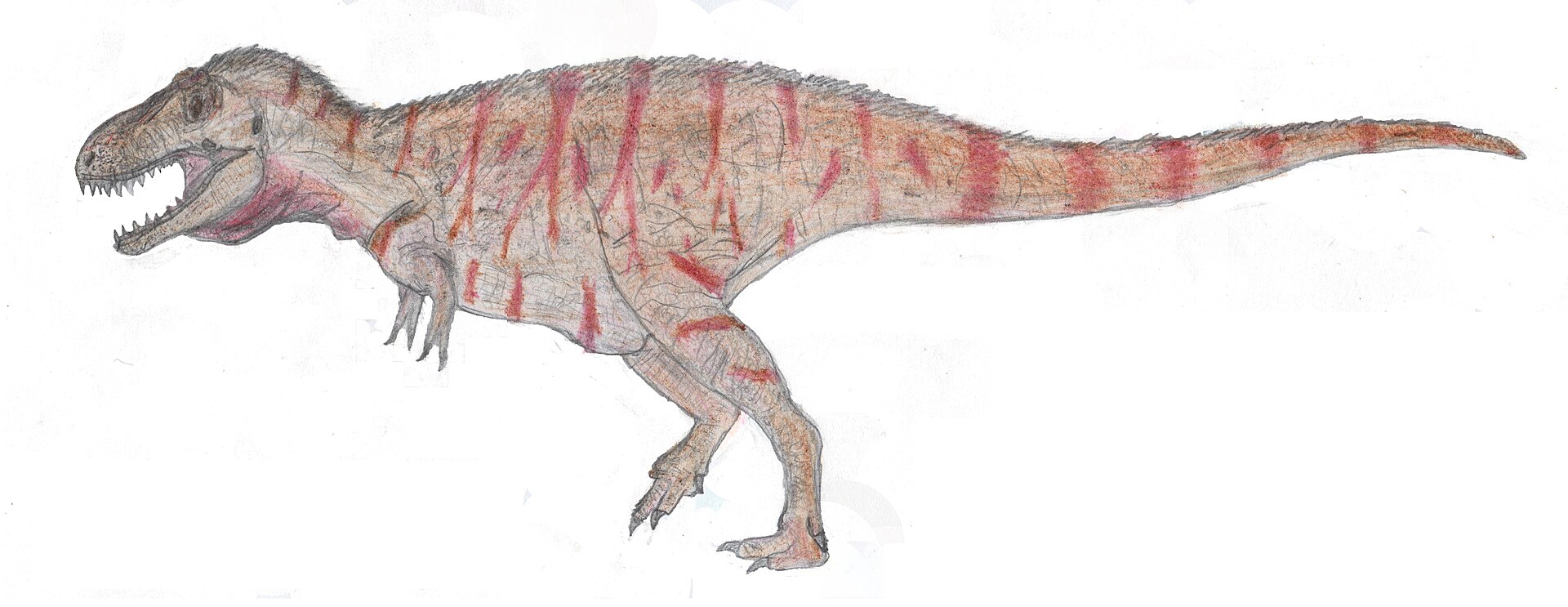
Meet Thanatotheristes, a long-snouted tyrannosaur from Alberta’s Foremost Formation, described in 2020 as the sister of Daspletosaurus.
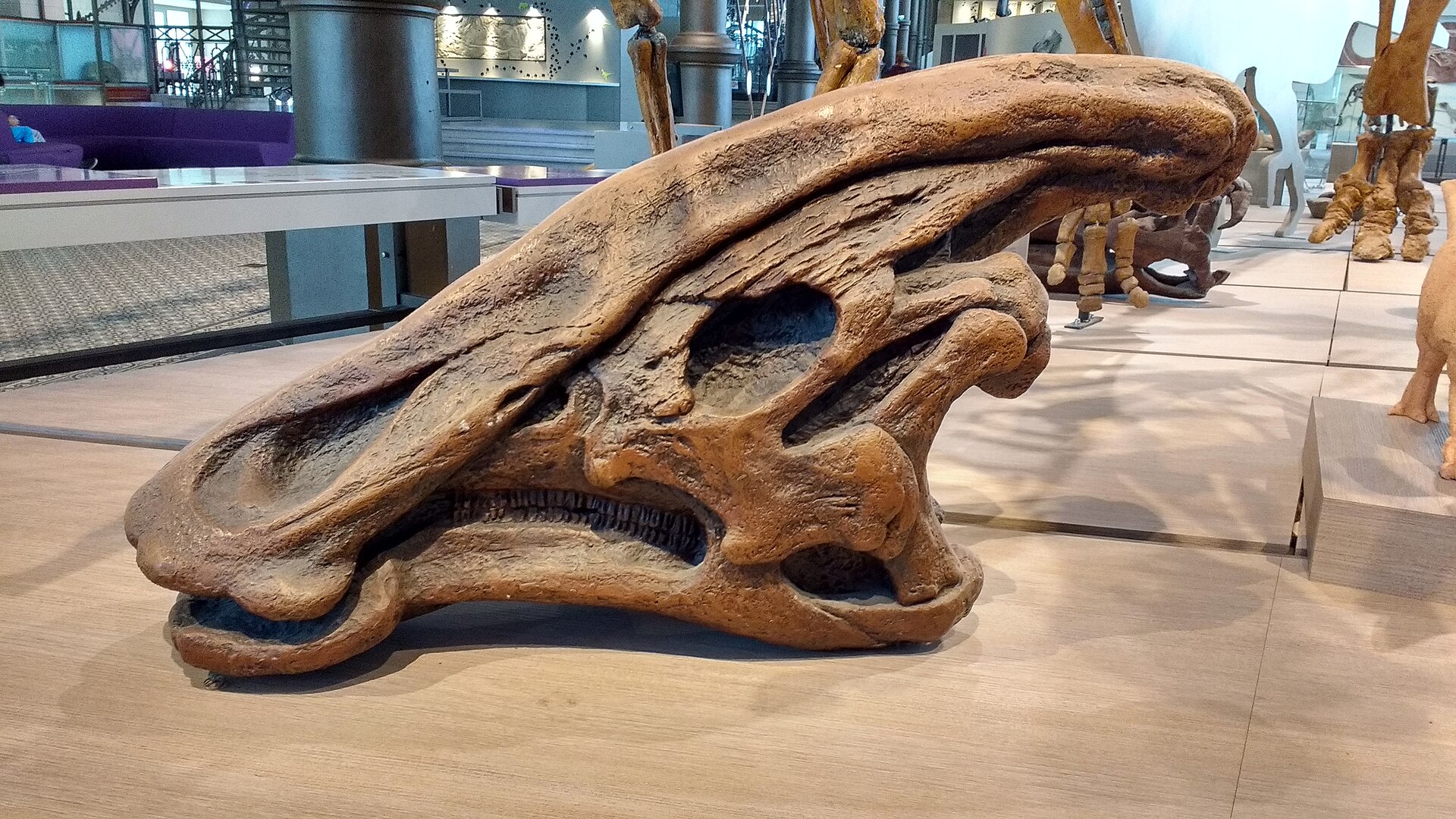
Meet Charonosaurus, a close relative of Parasaurolophus from the Late Cretaceous riverside bonebeds of Jiayin in northeastern China.
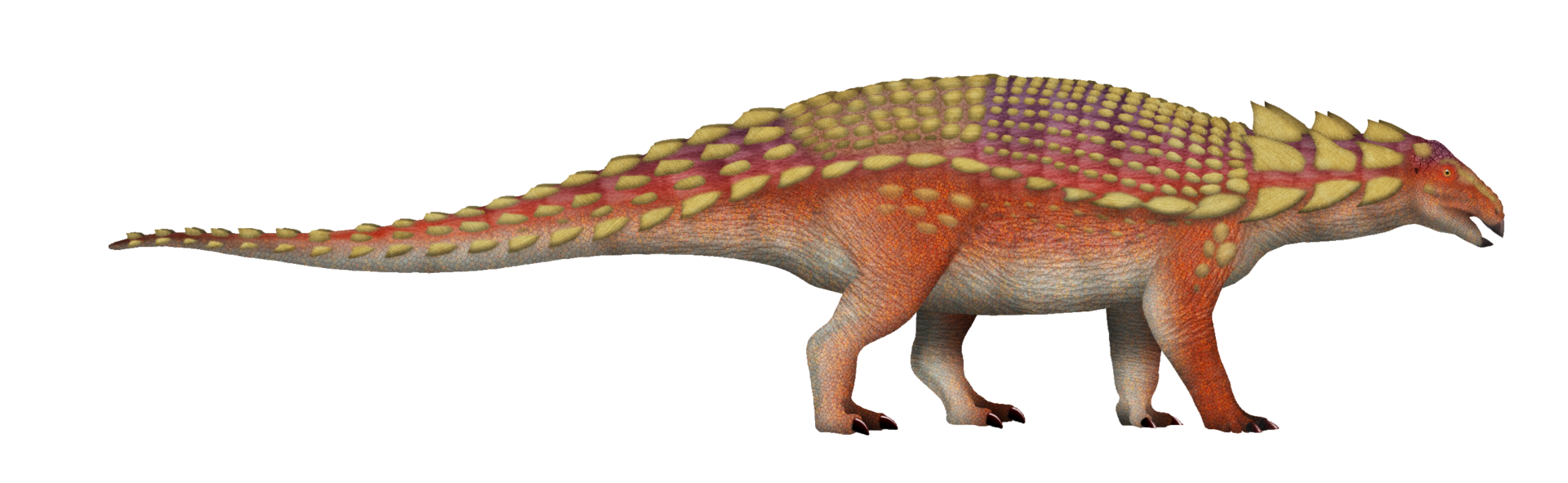
Meet Nipponopelta, a nodosaurid ankylosaur from Hokkaido’s Late Cretaceous and the first ankylosaur formally named from Japan.
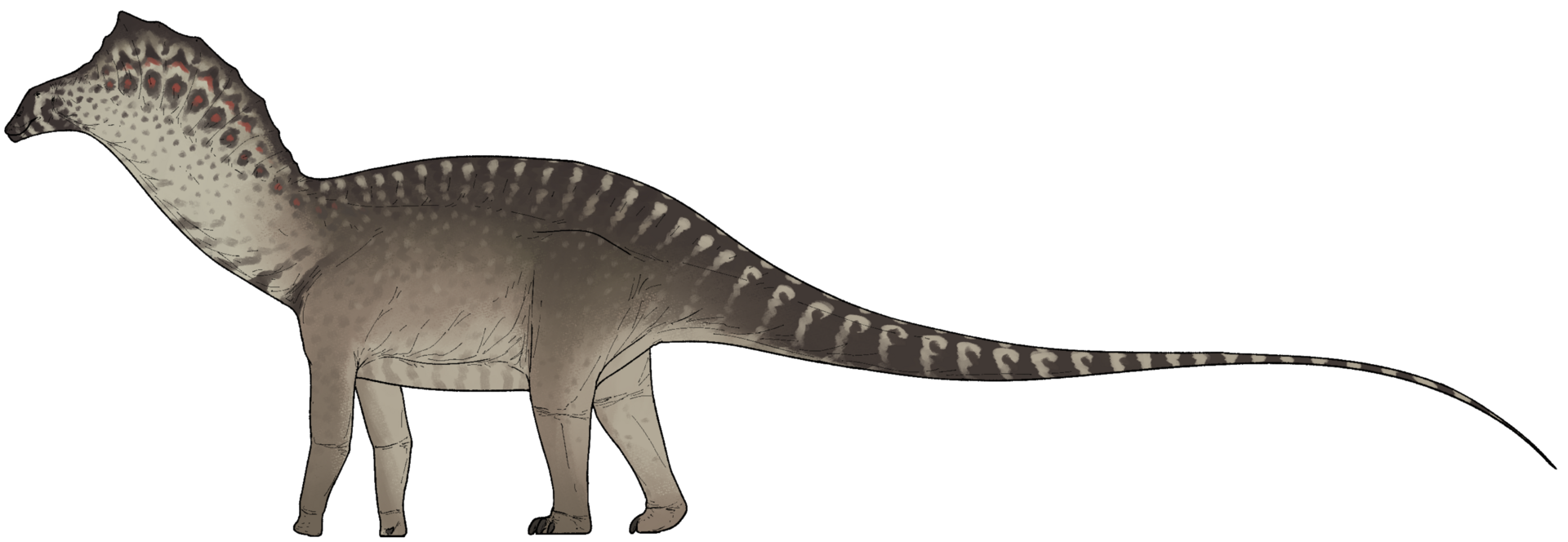
Meet Bajadasaurus, a dicraeosaurid sauropod from Early Cretaceous Patagonia whose long, curved neck spines pointed forward toward its head.
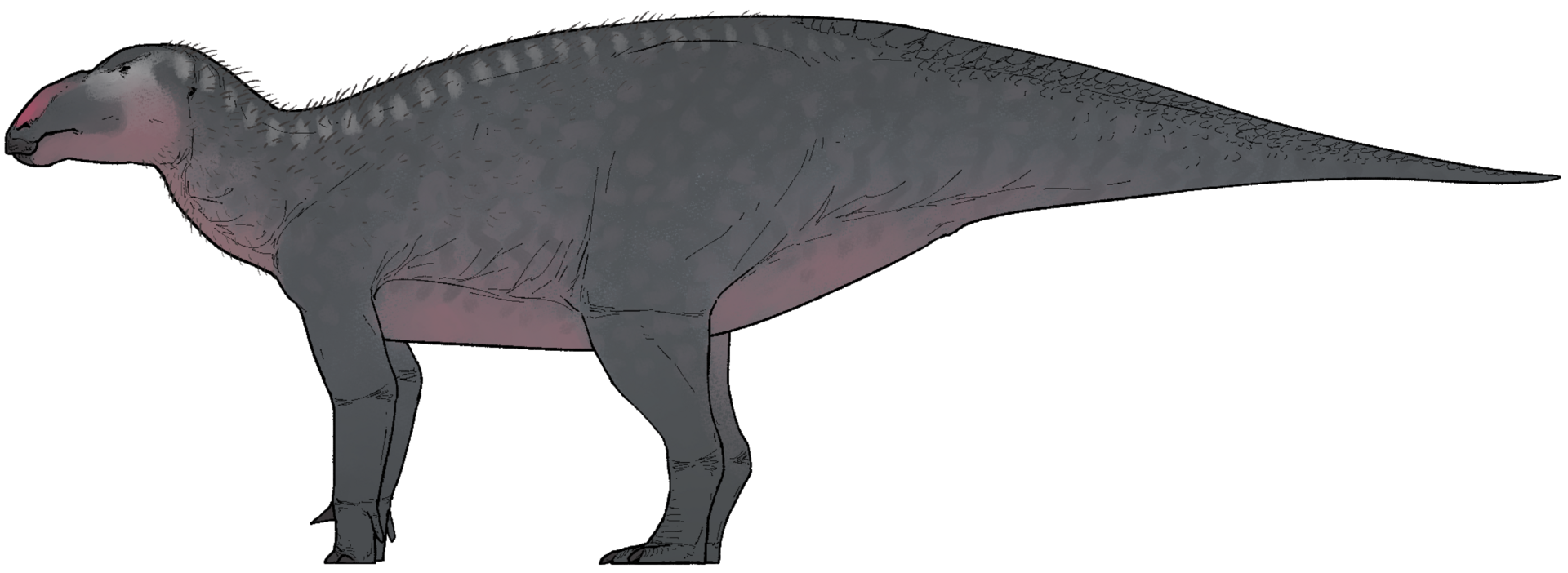
Meet Haolong, a young hadrosauroid from China’s Yixian Formation whose fossil skin preserves hollow spikes down to the level of single cells.
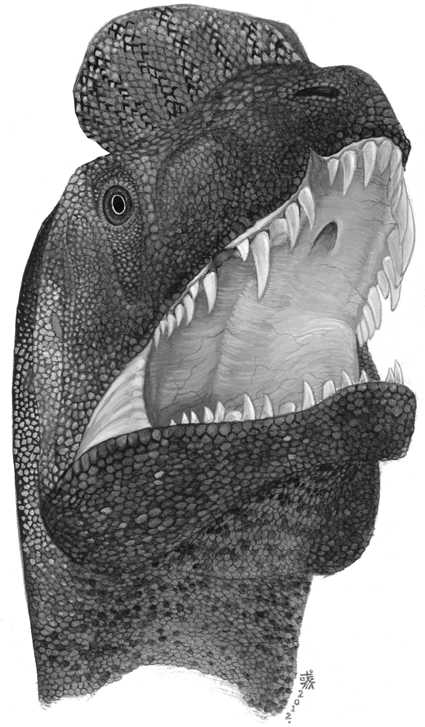
Meet Sinosaurus, a twin-crested predatory theropod from the Early Jurassic Lufeng Formation of Yunnan, China, with a famously tangled naming history.
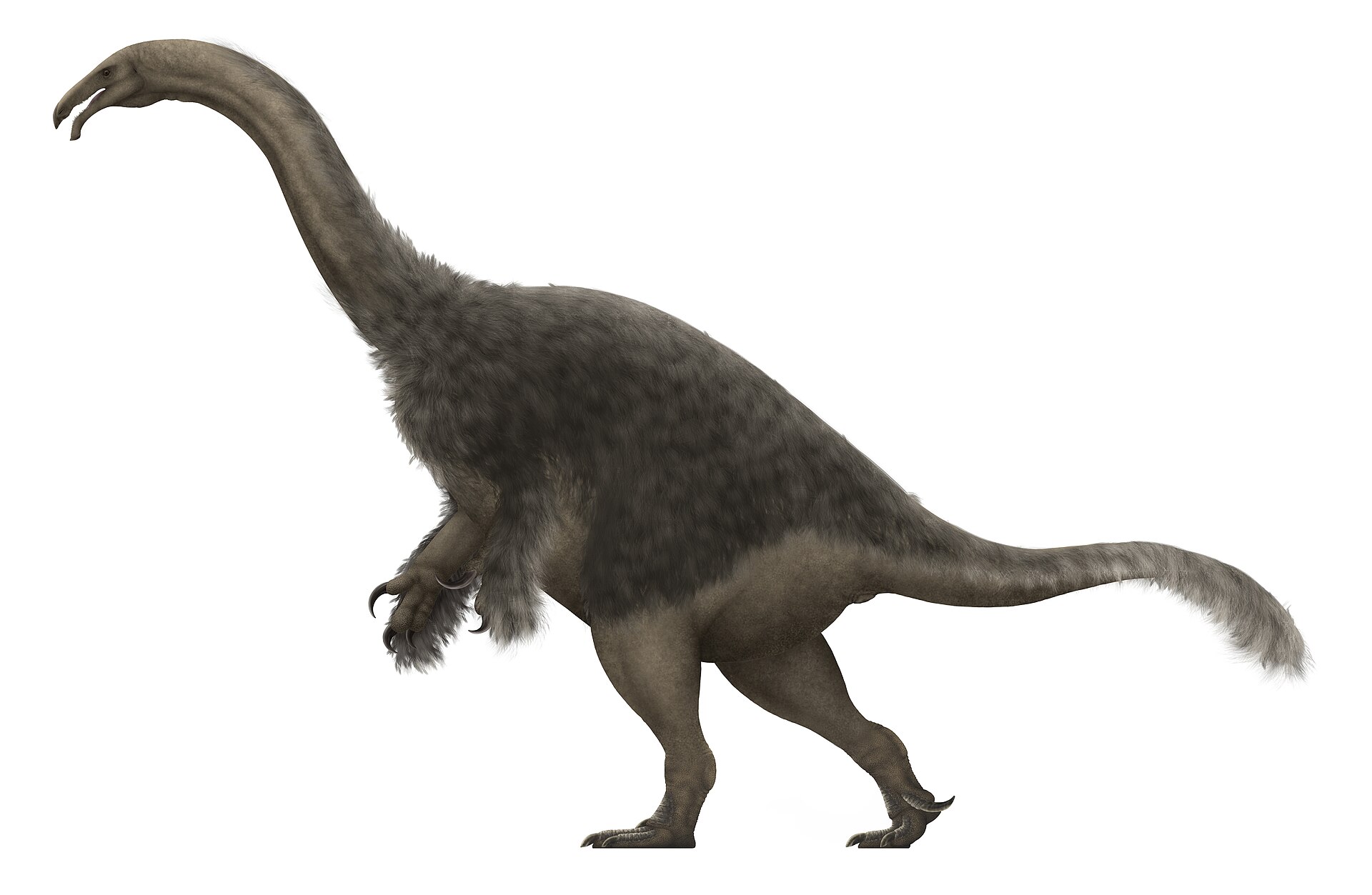
Meet Segnosaurus, a large therizinosaur from Mongolia’s Late Cretaceous Gobi with a downturned, beaked jaw and unusually complex teeth.
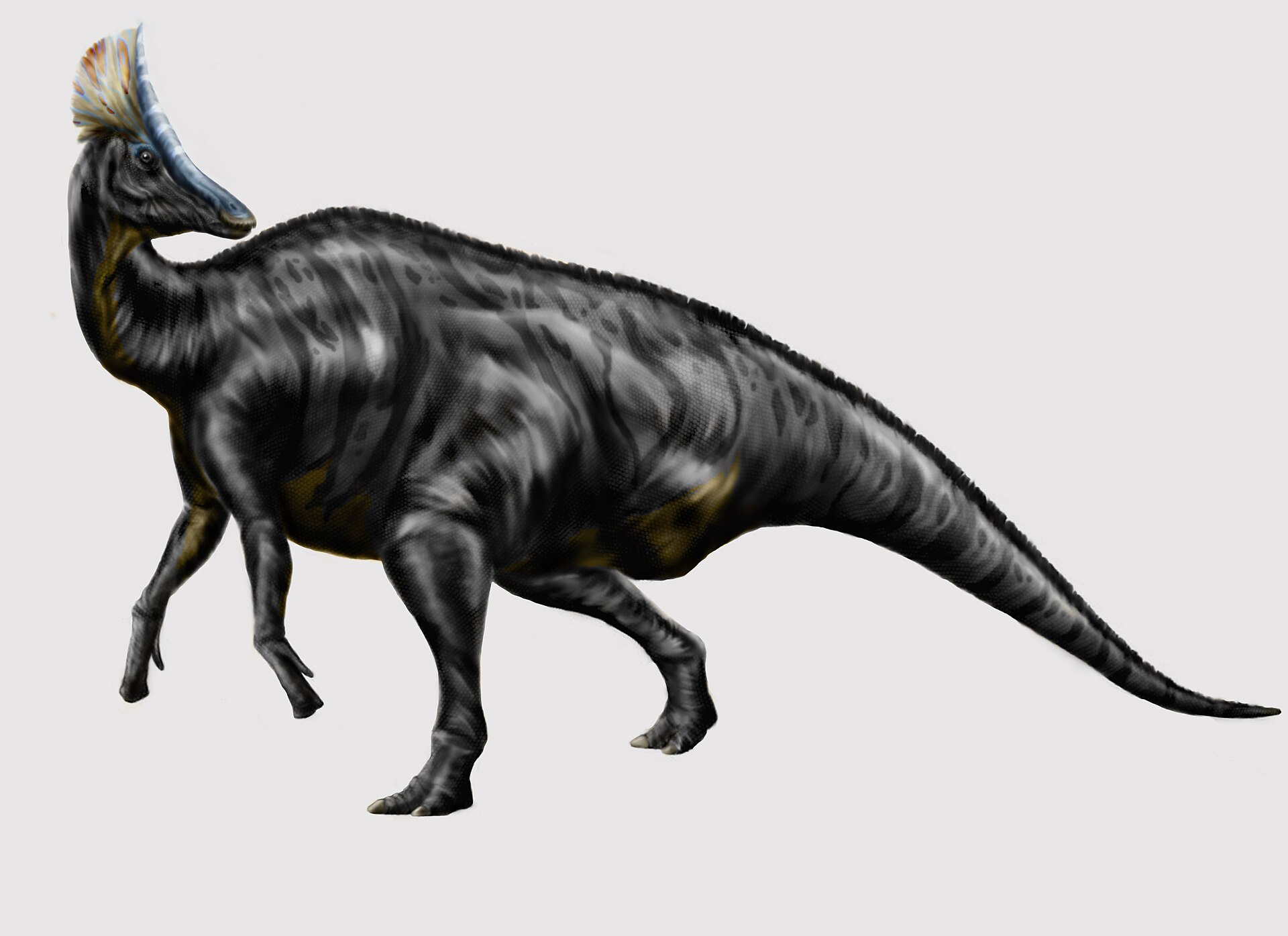
Meet Olorotitan, a hollow-crested hadrosaur from Russia’s Far East and the most complete dinosaur skeleton ever found in Russia.
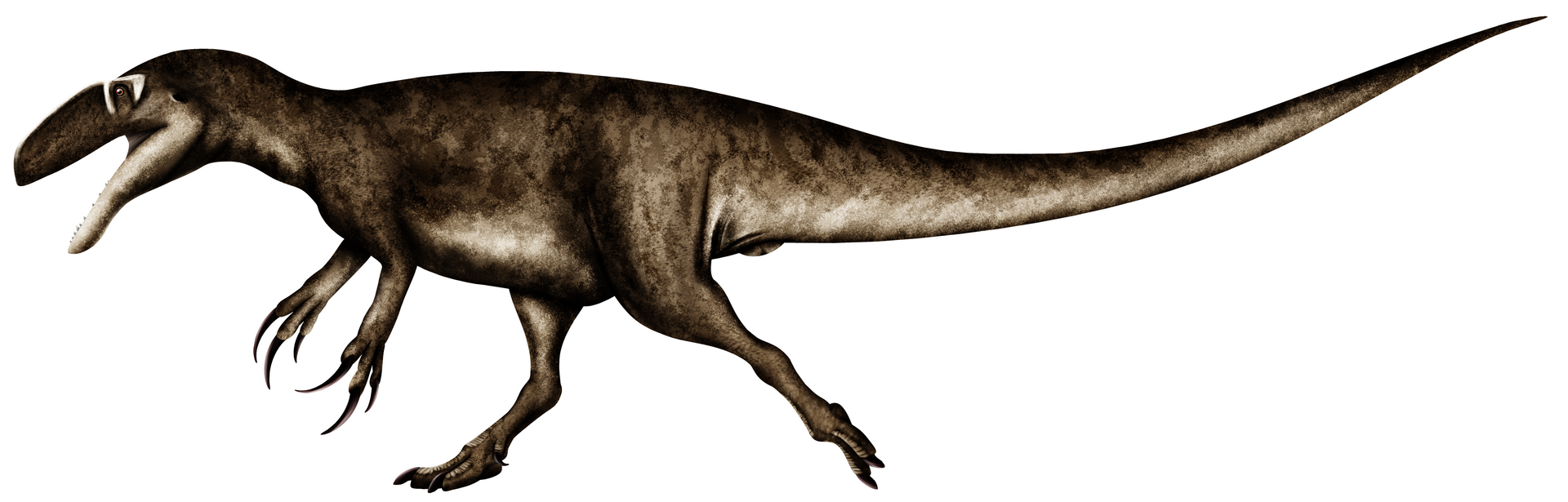
Meet Siats, a giant predatory dinosaur from Utah’s Late Cretaceous, known mainly from one young skeleton and still debated in the theropod family tree.
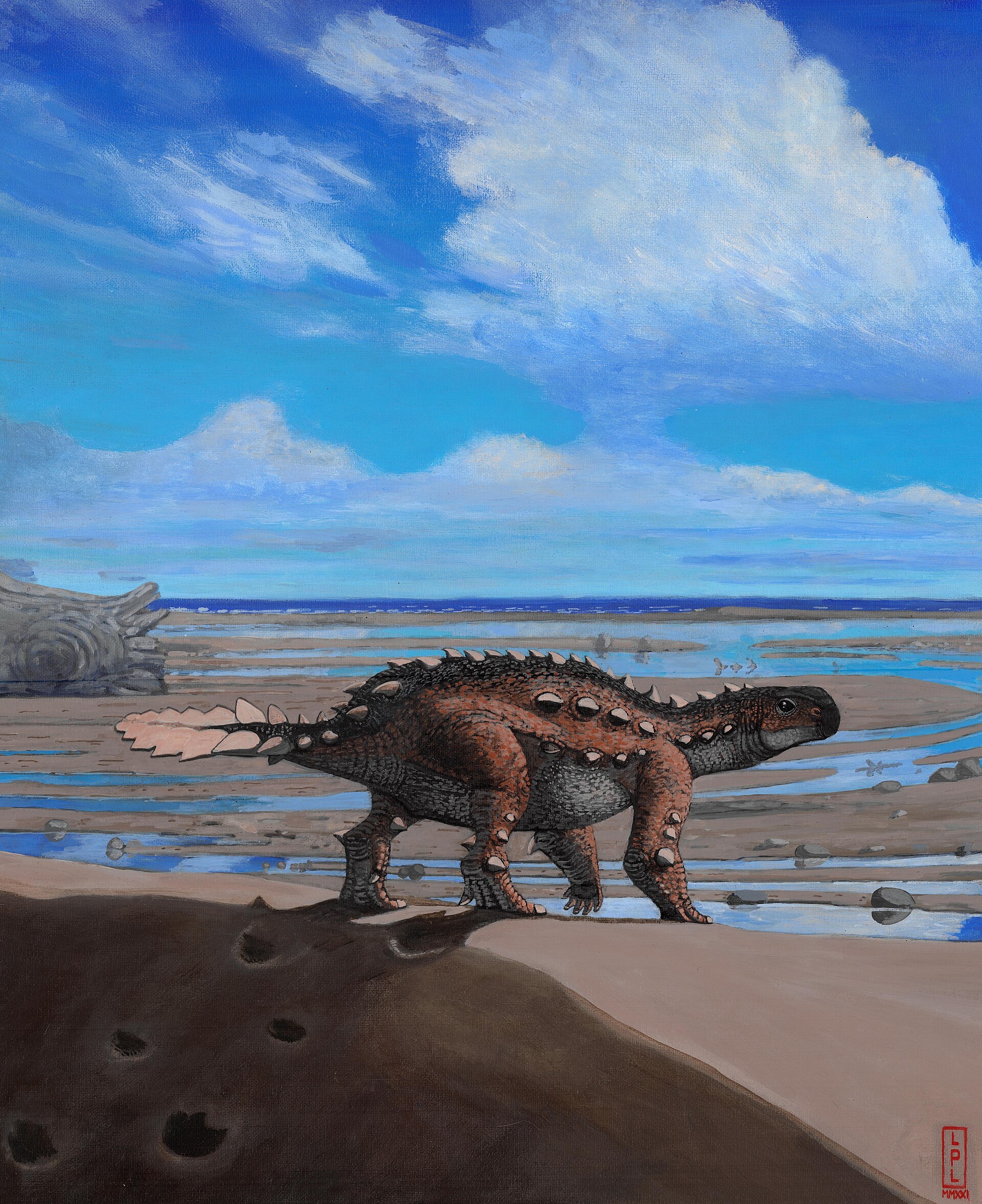
Meet Stegouros, a small armored dinosaur from Chile’s Late Cretaceous whose flat, frond-like tail weapon looks nothing like a spike or a club.
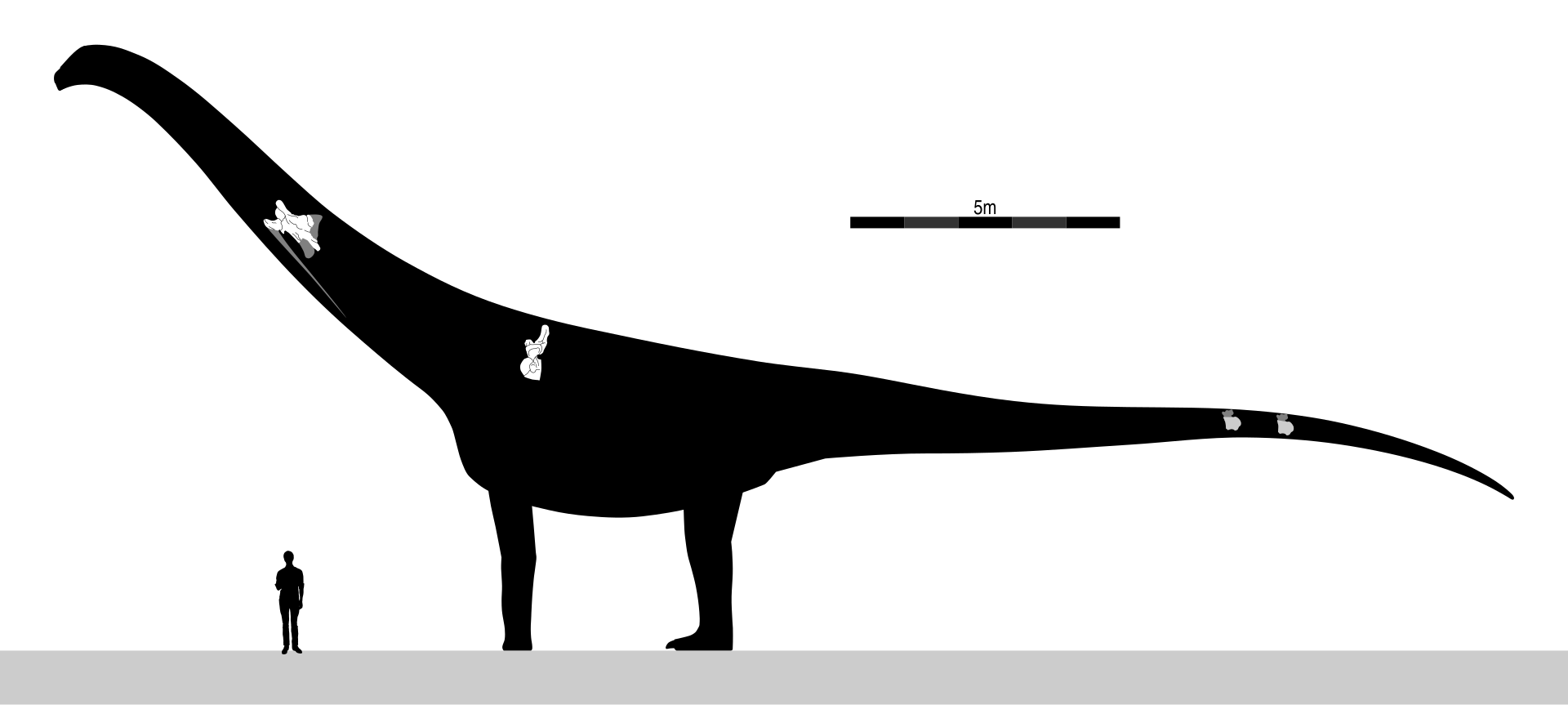
Meet Puertasaurus, a giant titanosaur from Late Cretaceous Patagonia known from just four vertebrae, including one of the widest back bones ever found.
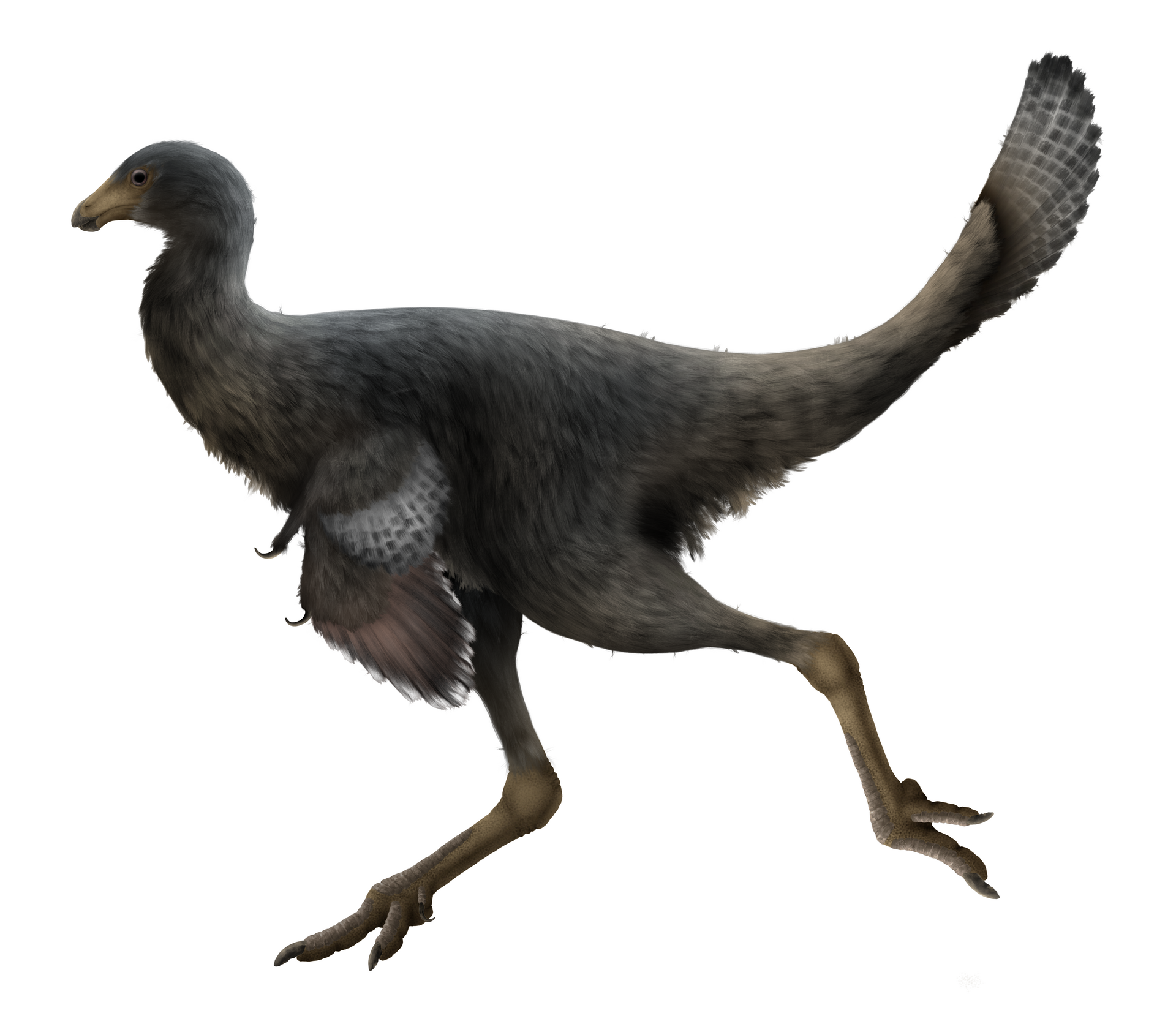
Meet Caudipteryx, a small feathered oviraptorosaur from China’s Early Cretaceous with a fan of plumes at the tip of its short tail.
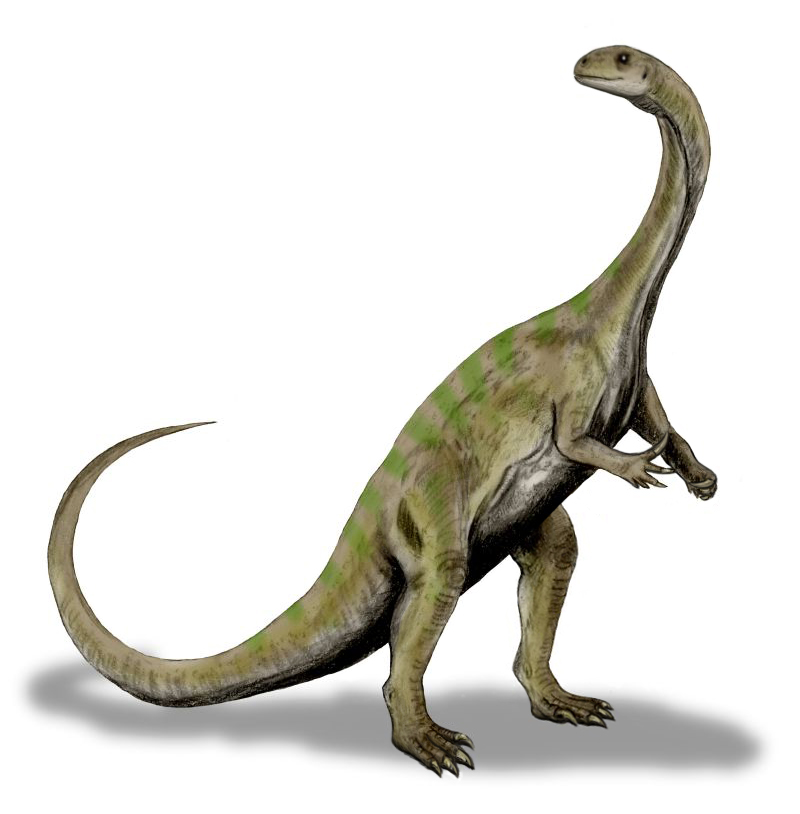
Meet Massospondylus, a long-necked herbivore from South Africa’s Early Jurassic, with more than 200 specimens referred to it, from embryos to adults.
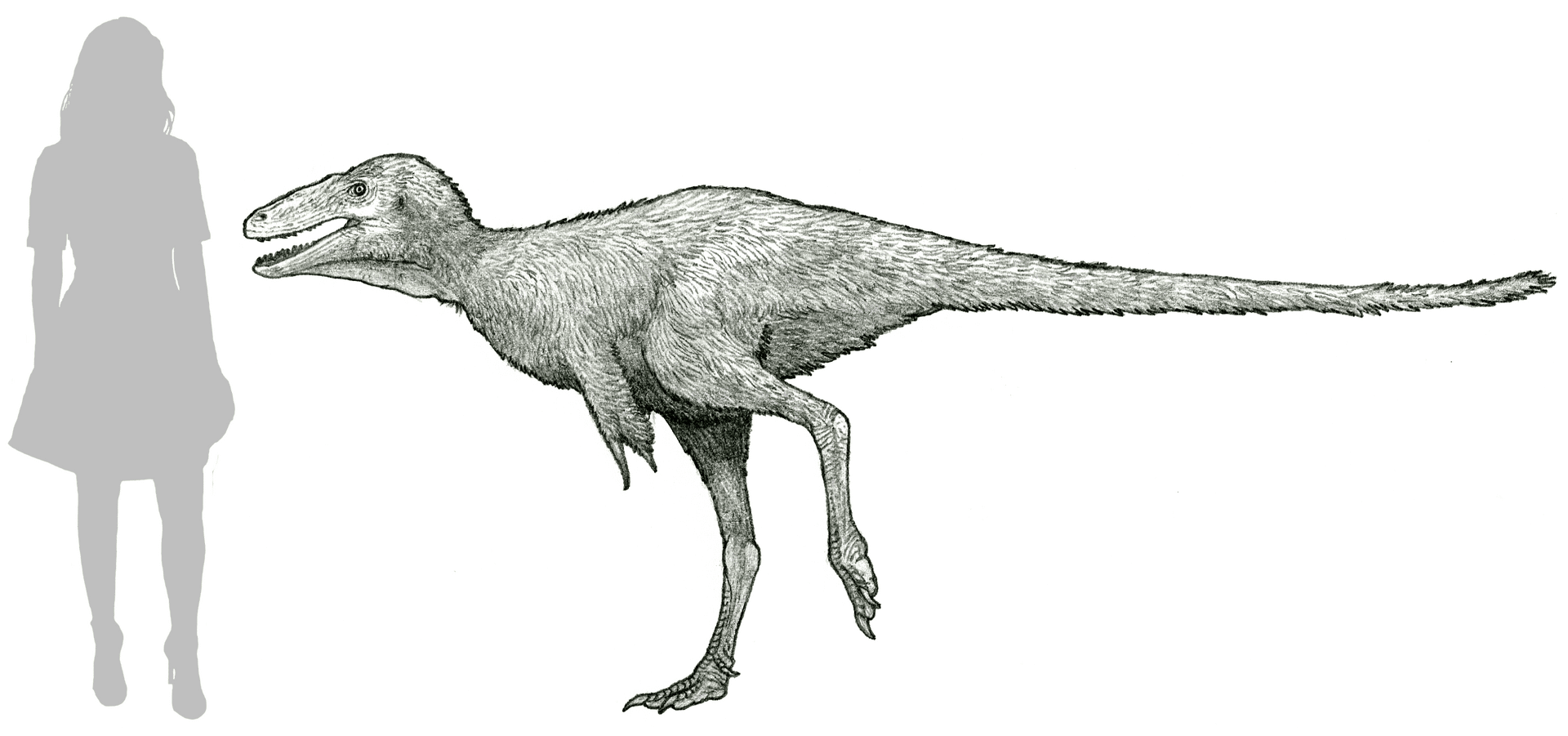
Meet Moros, a small, fast tyrannosauroid from Utah’s Cedar Mountain Formation whose single hind limb narrows a 70-million-year gap.
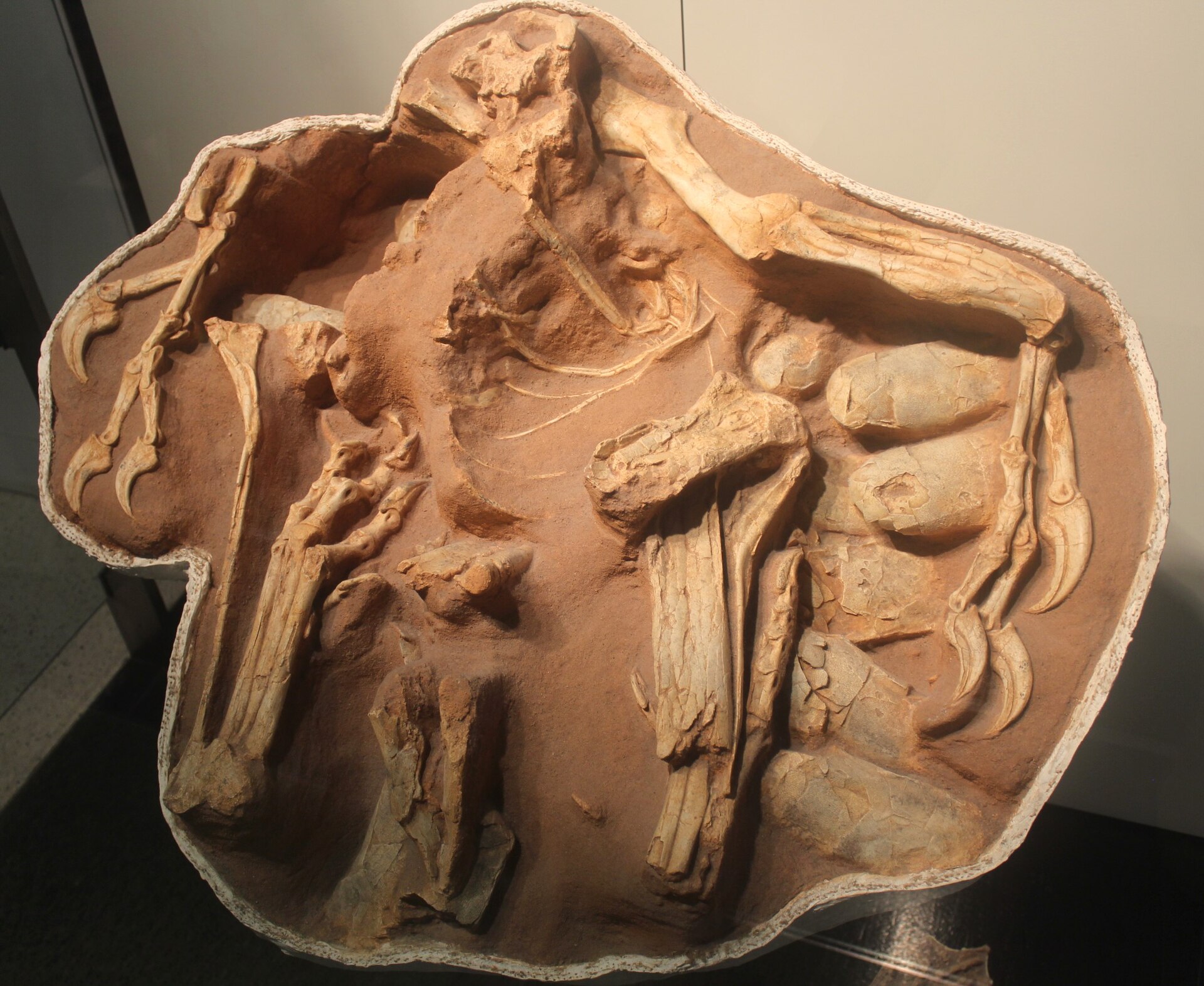
Meet Citipati, a beaked oviraptorid from Mongolia’s Late Cretaceous Gobi, known from adults preserved sitting on their nests of eggs.
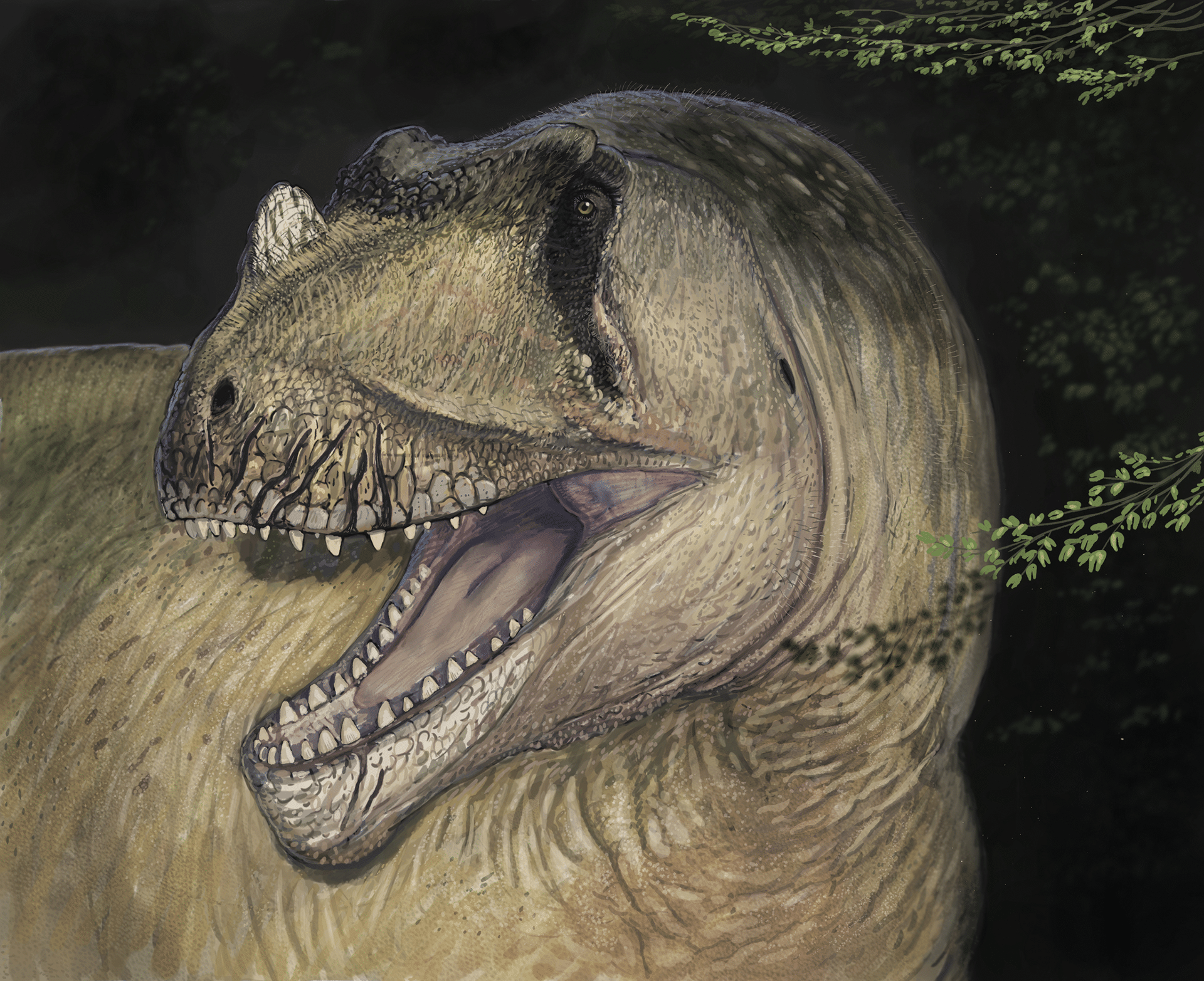
Meet Tameryraptor, an Egyptian predator whose thigh bone nearly matched T. rex’s, destroyed in 1944 and named in 2025 from old notes and photographs.
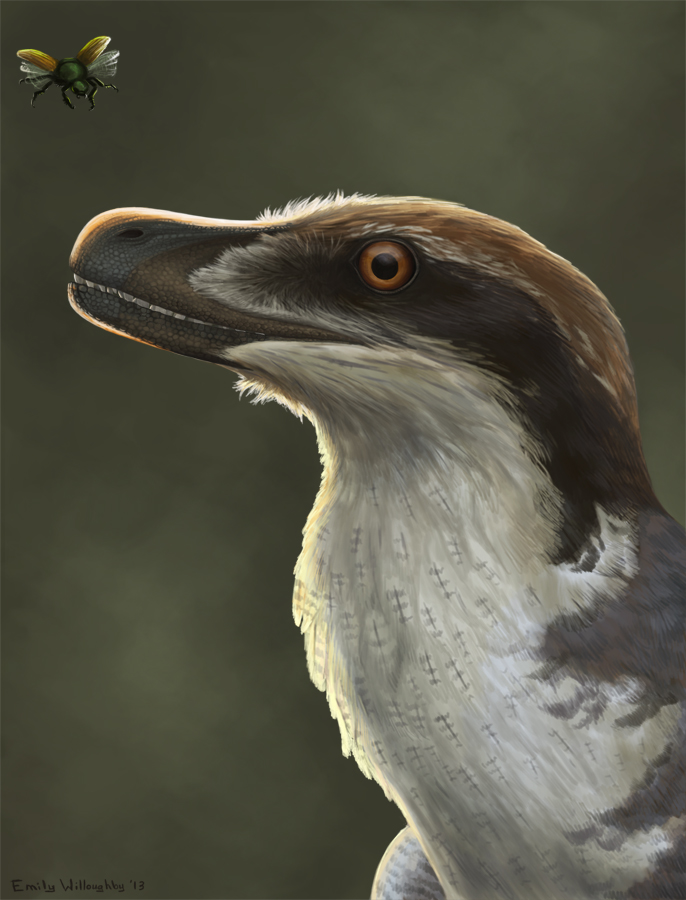
Meet Acheroraptor, a raptor known from its jaws, found in Montana’s Hell Creek Formation and dating to just before the end-Cretaceous extinction.
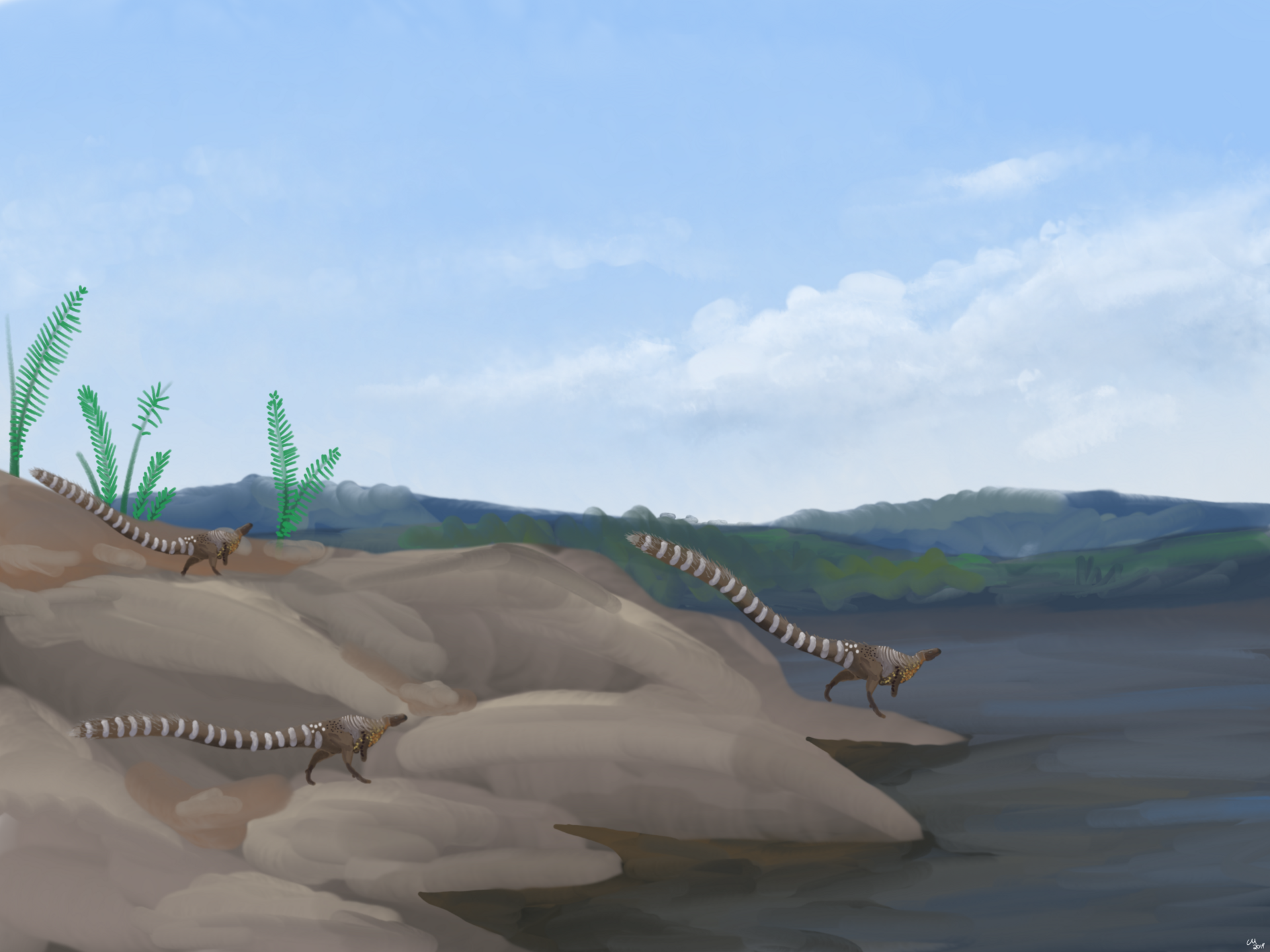
Meet Leaellynasaura, a small herbivore from the Early Cretaceous of Victoria, Australia, when the region lay inside the Antarctic Circle.
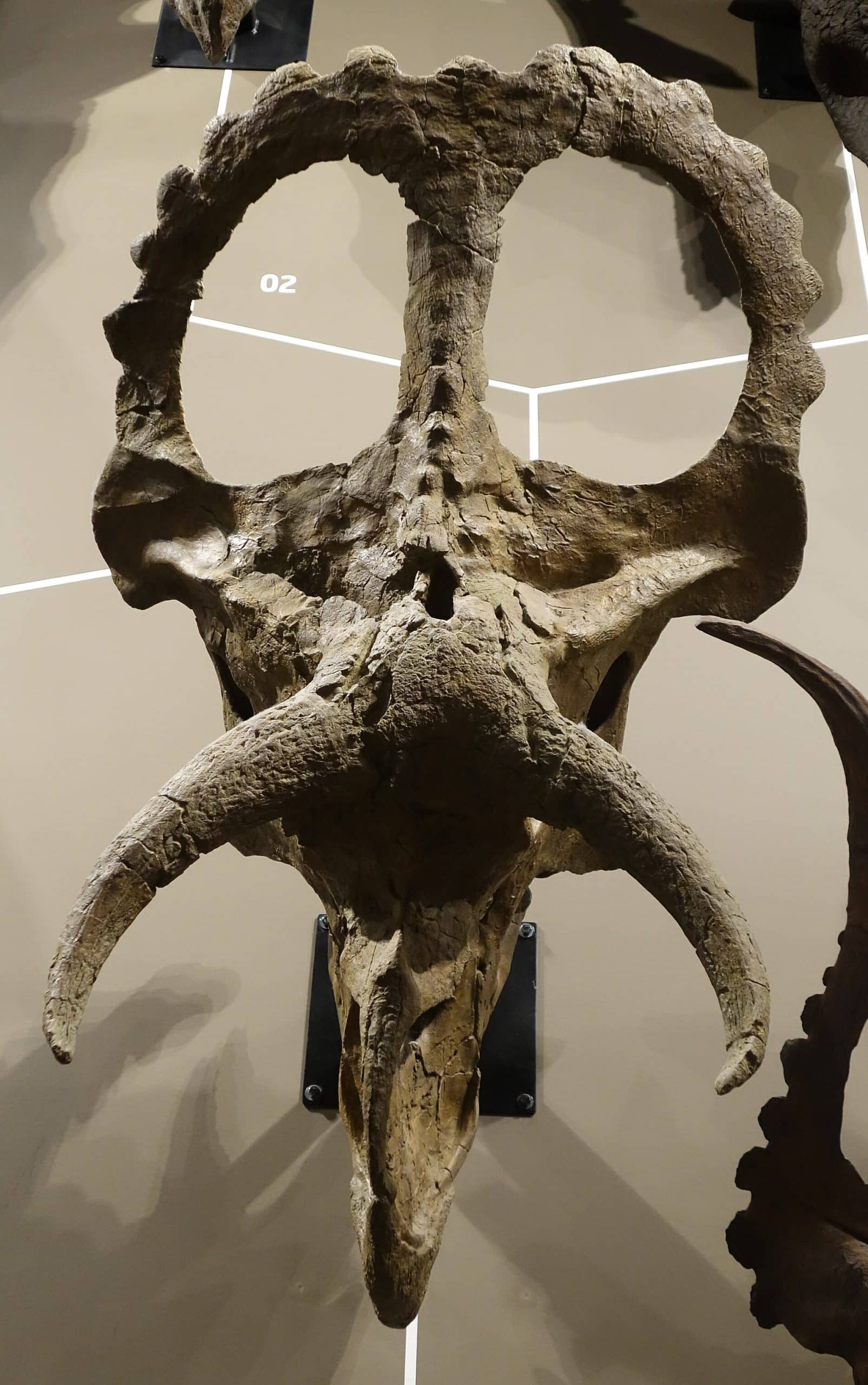
Meet Nasutoceratops, a big-nosed horned dinosaur from Utah’s Kaiparowits Formation with the longest brow horns known among centrosaurines.
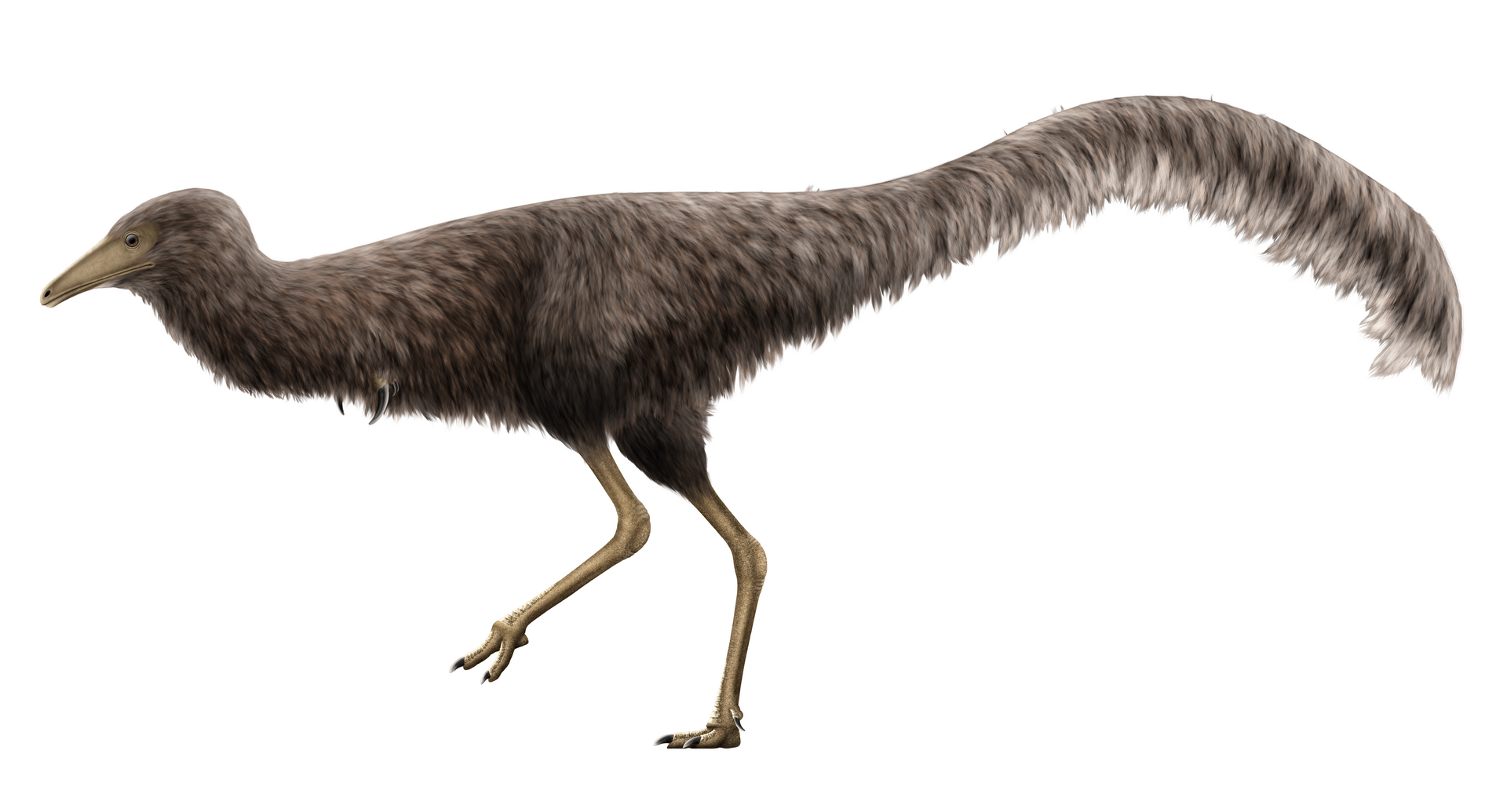
Meet Mononykus, a turkey-sized alvarezsaurid from Mongolia’s Nemegt Formation whose stubby arms each ended in one stout claw.
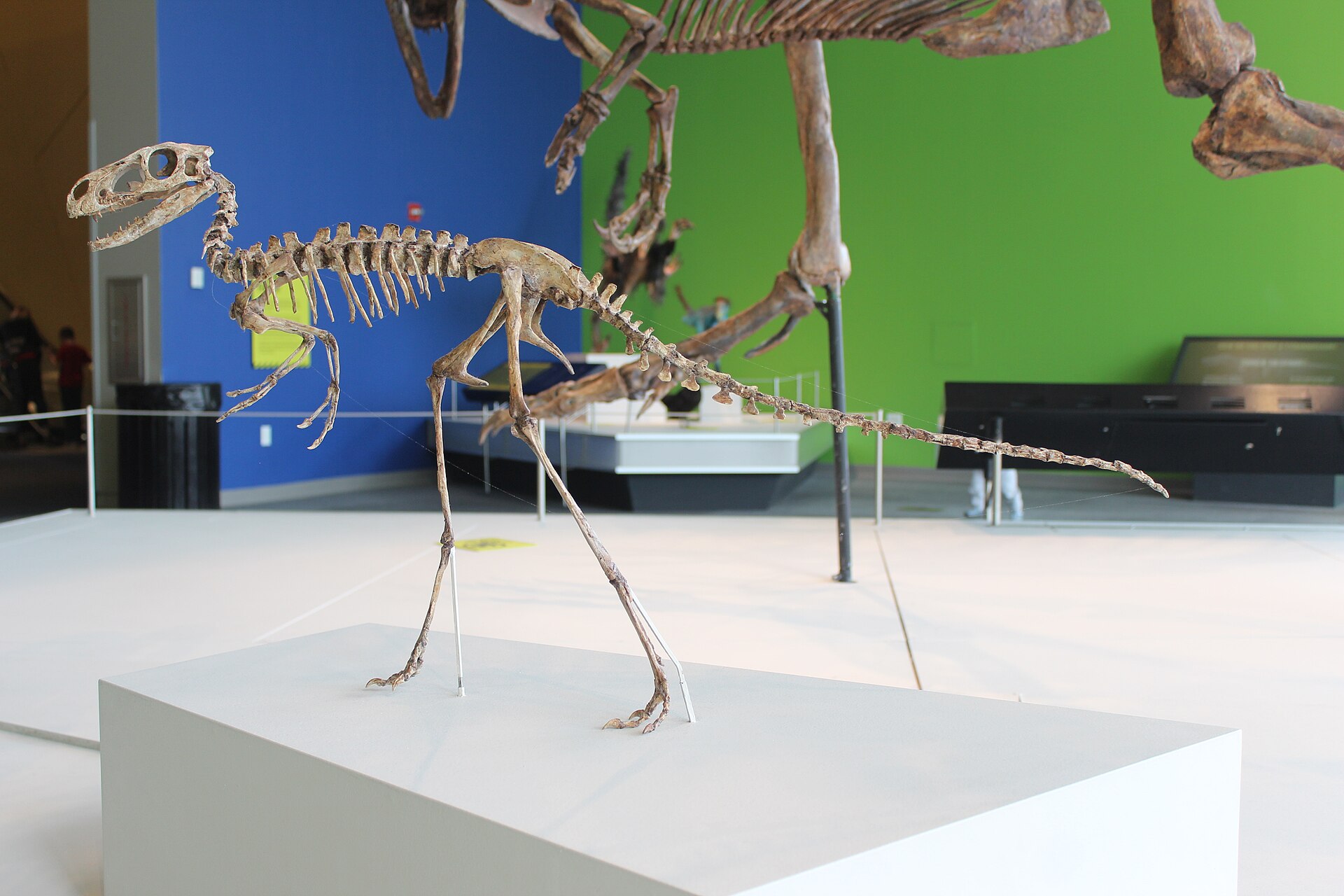
Meet Dilong, a small, gracile tyrannosaur relative from Early Cretaceous China linked by a feathered specimen to the first direct evidence of tyrannosauroid protofeathers.
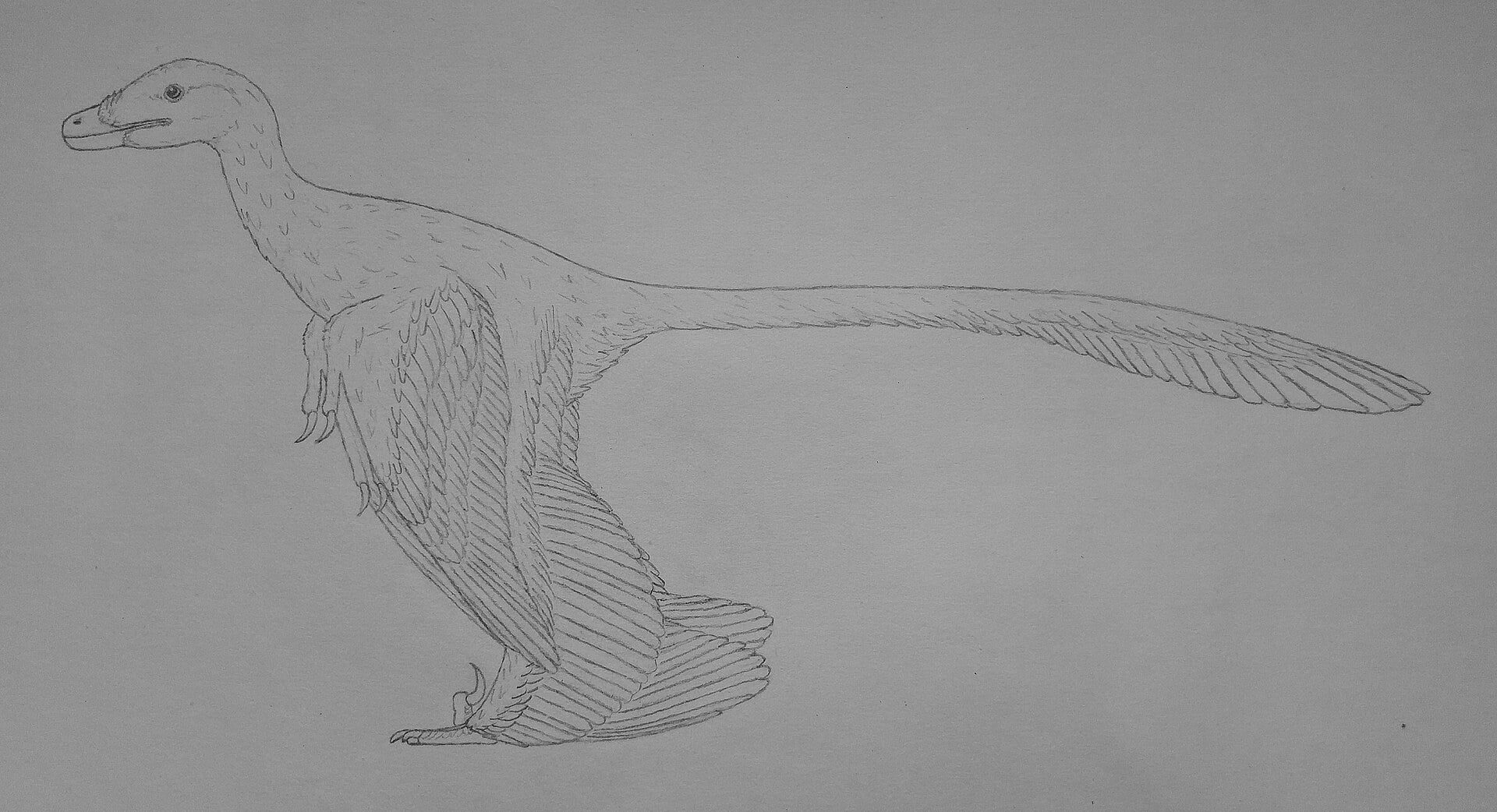
Meet Sinornithosaurus, a small feathered dromaeosaurid from China’s Yixian Formation and the first of its family known with a filament-covered body.
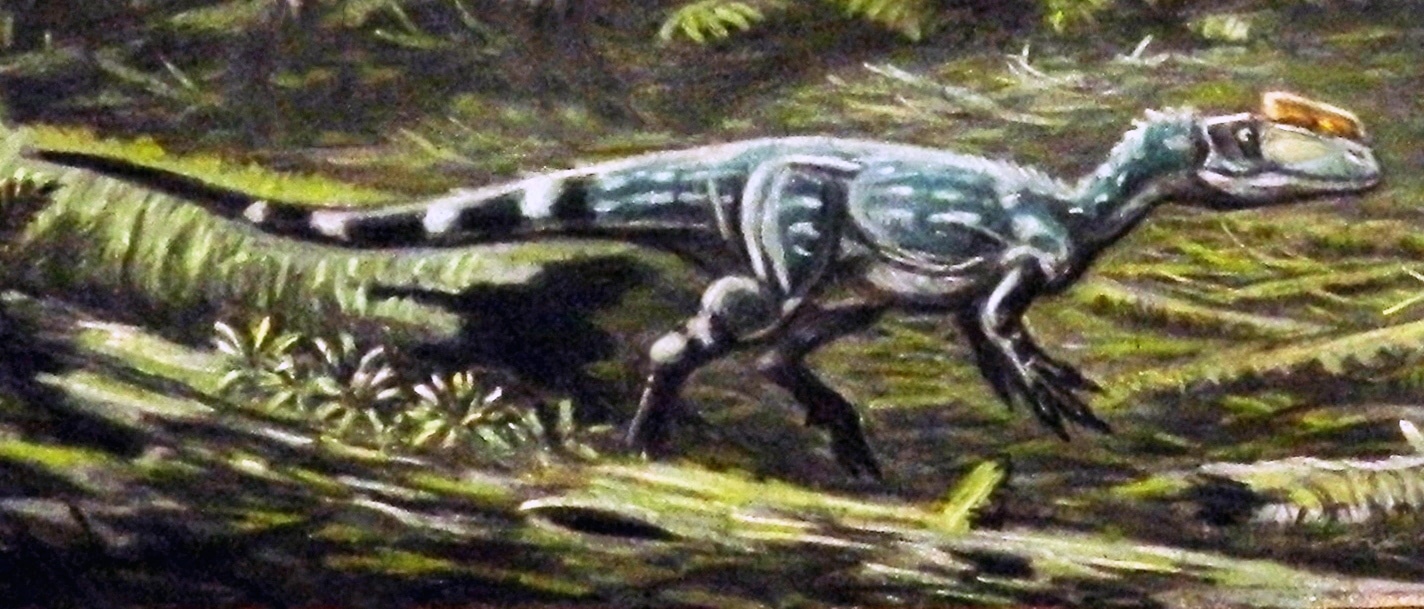
Meet Proceratosaurus, a small crested theropod from Middle Jurassic England, known from one skull and now placed among early tyrannosauroids.
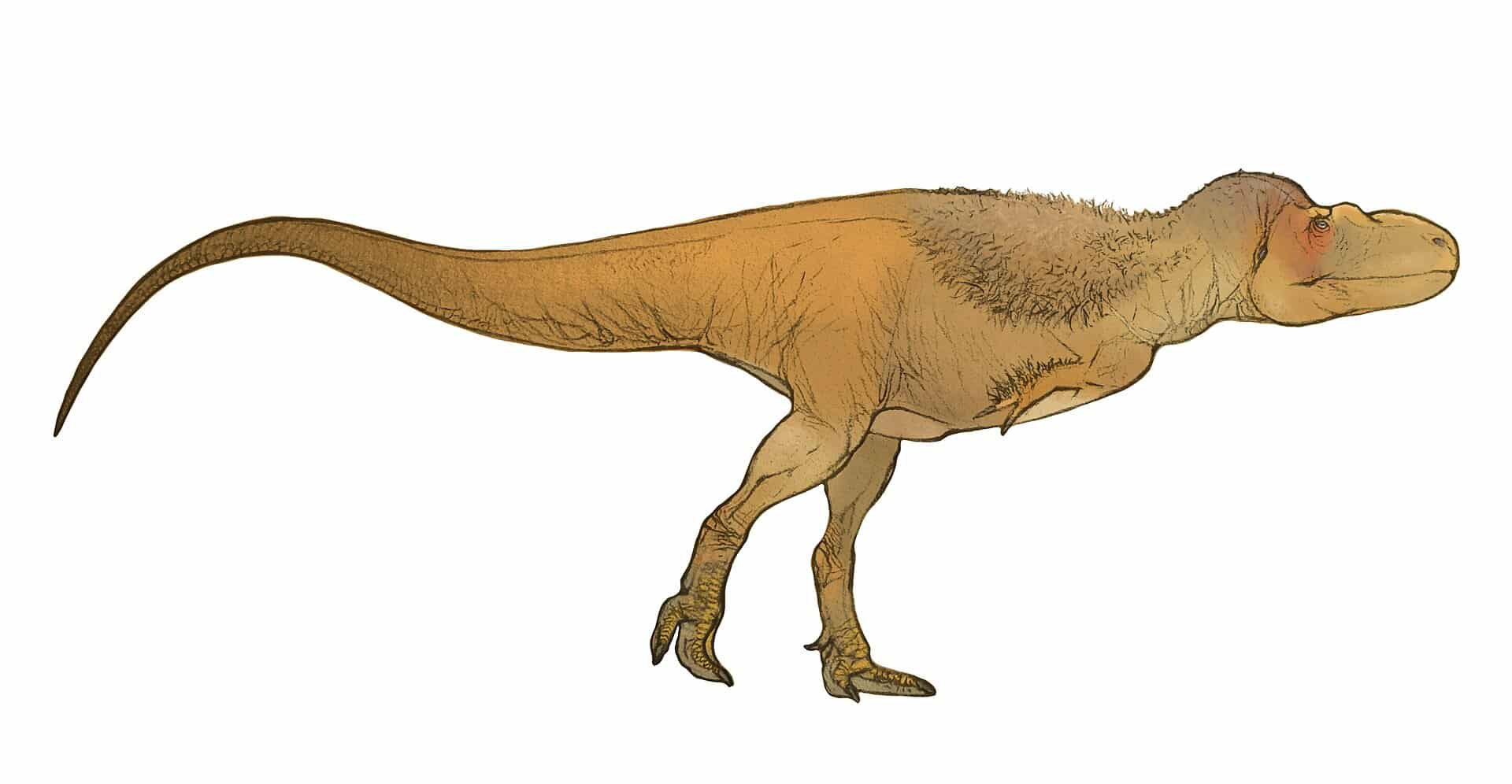
Meet Bistahieversor, a deep-snouted tyrannosauroid from the badlands of northwestern New Mexico that lived about 75 to 74 million years ago.
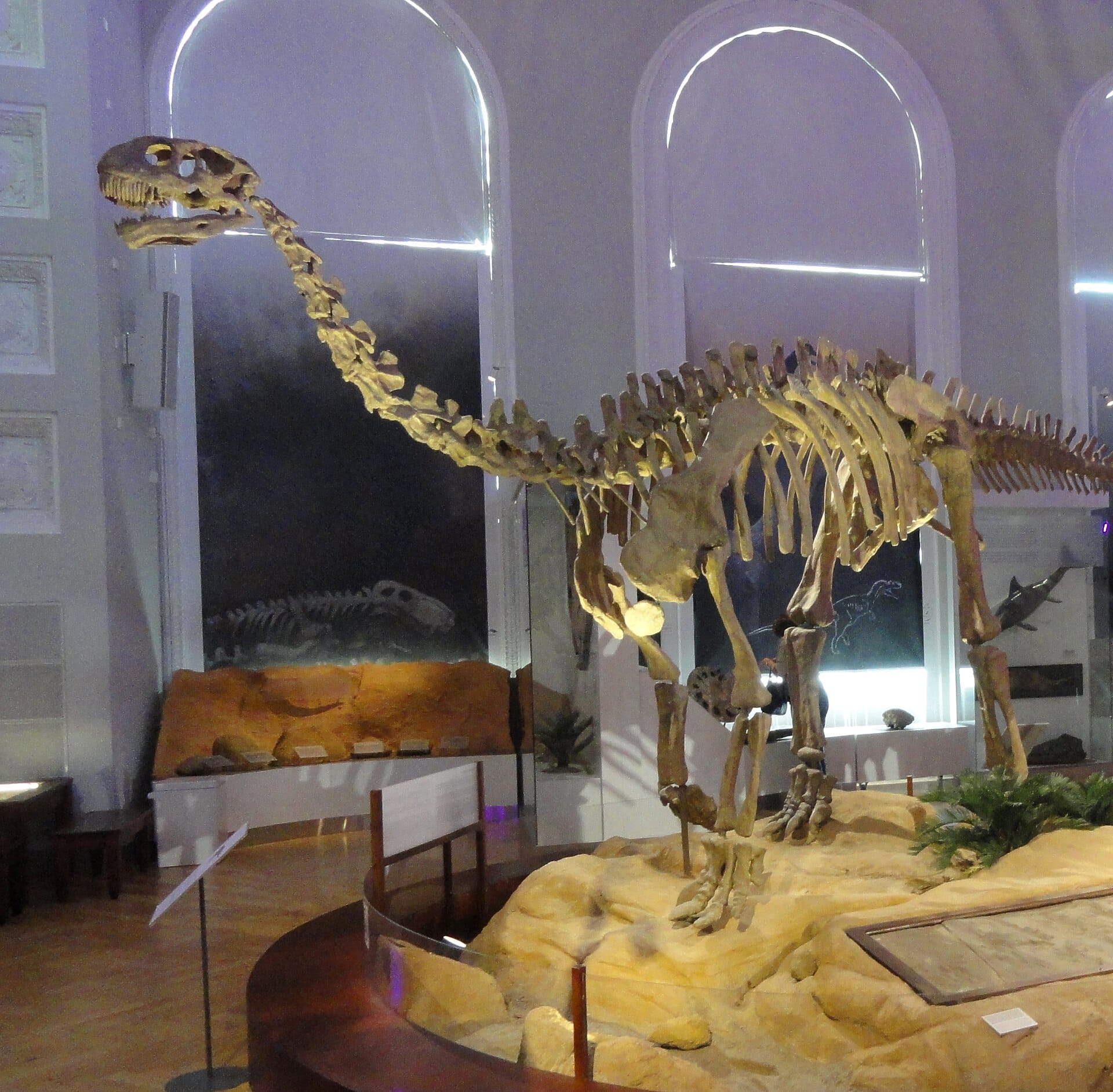
Meet Shunosaurus, a short-necked sauropod from Jurassic Sichuan with shearing, spoon-shaped teeth and a small bony club at the tip of its tail.
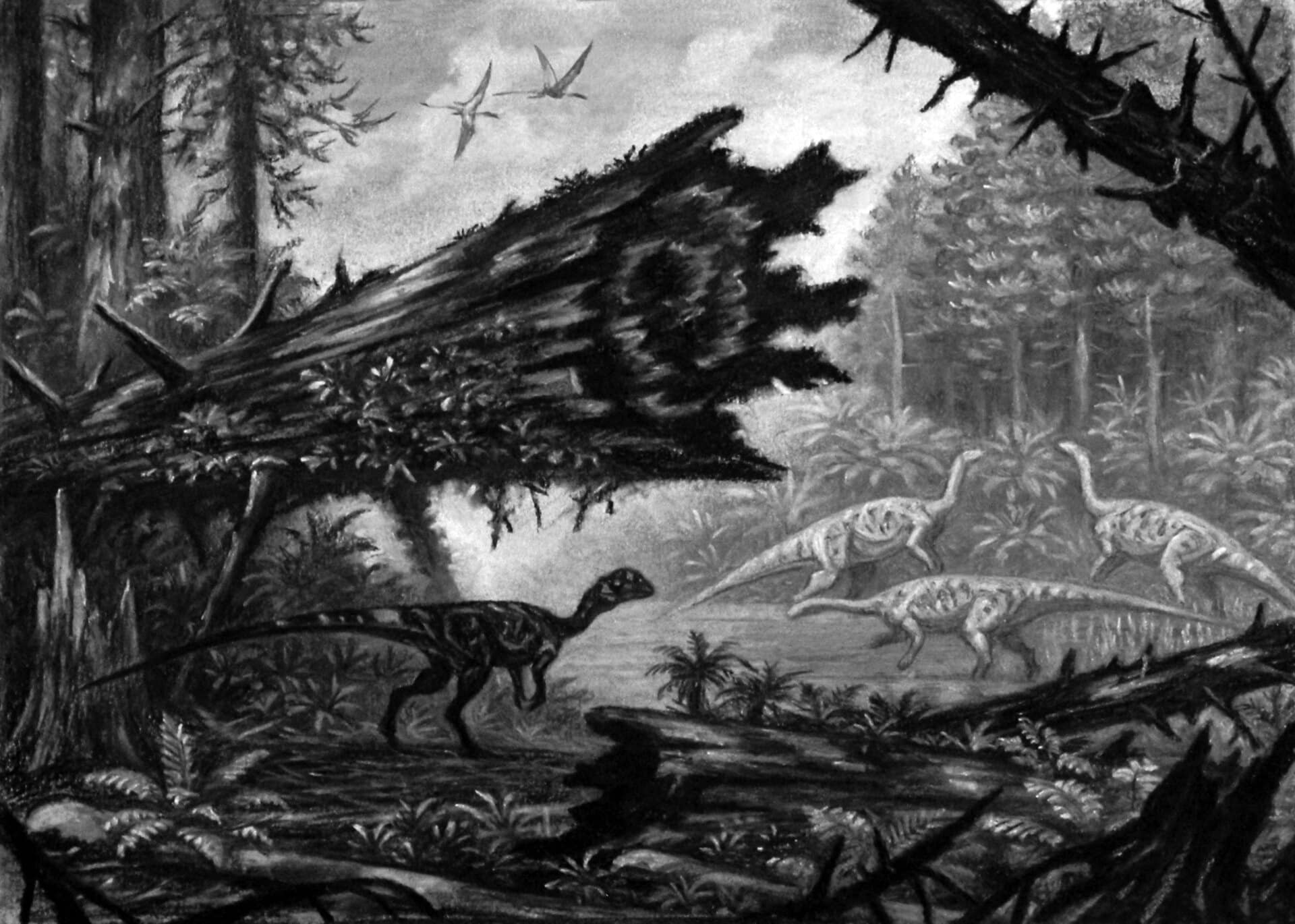
Meet Liliensternus, a Late Triassic theropod from Thuringia, Germany, known from at least two jumbled young skeletons and a still-disputed family tree.
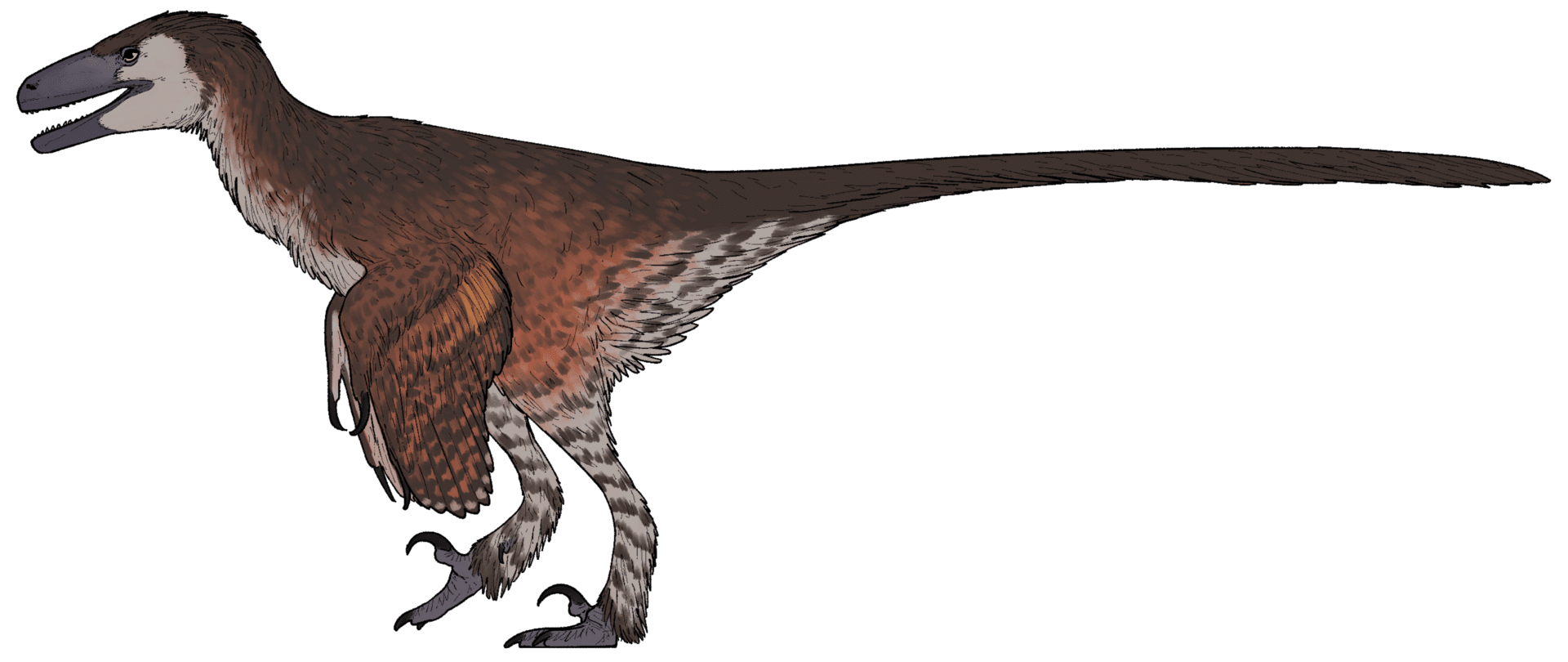
Meet Saurornitholestes, a small dromaeosaurid from Alberta’s Dinosaur Park Formation with a short, tall snout and unusual ridged front teeth.
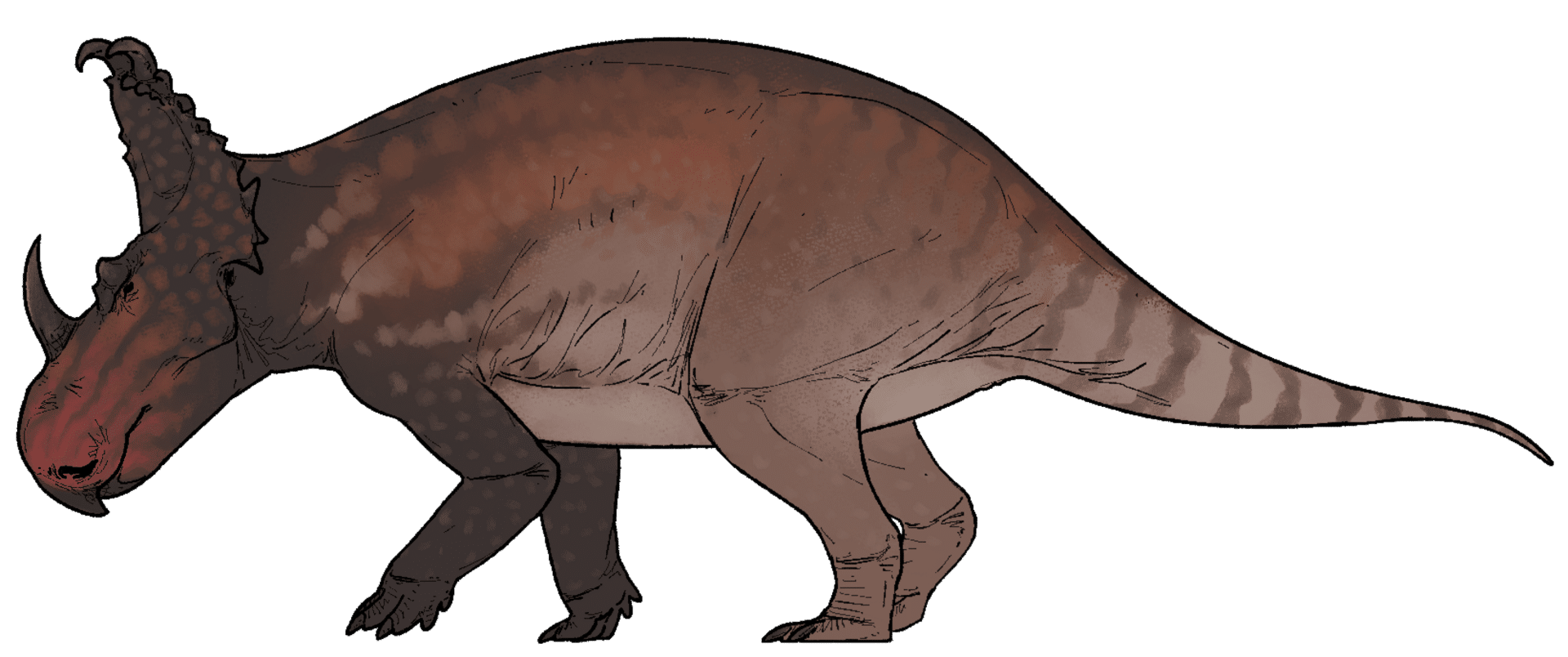
Meet Sinoceratops, a large horned dinosaur from Shandong, China, and still the only undisputed ceratopsid known from outside North America.
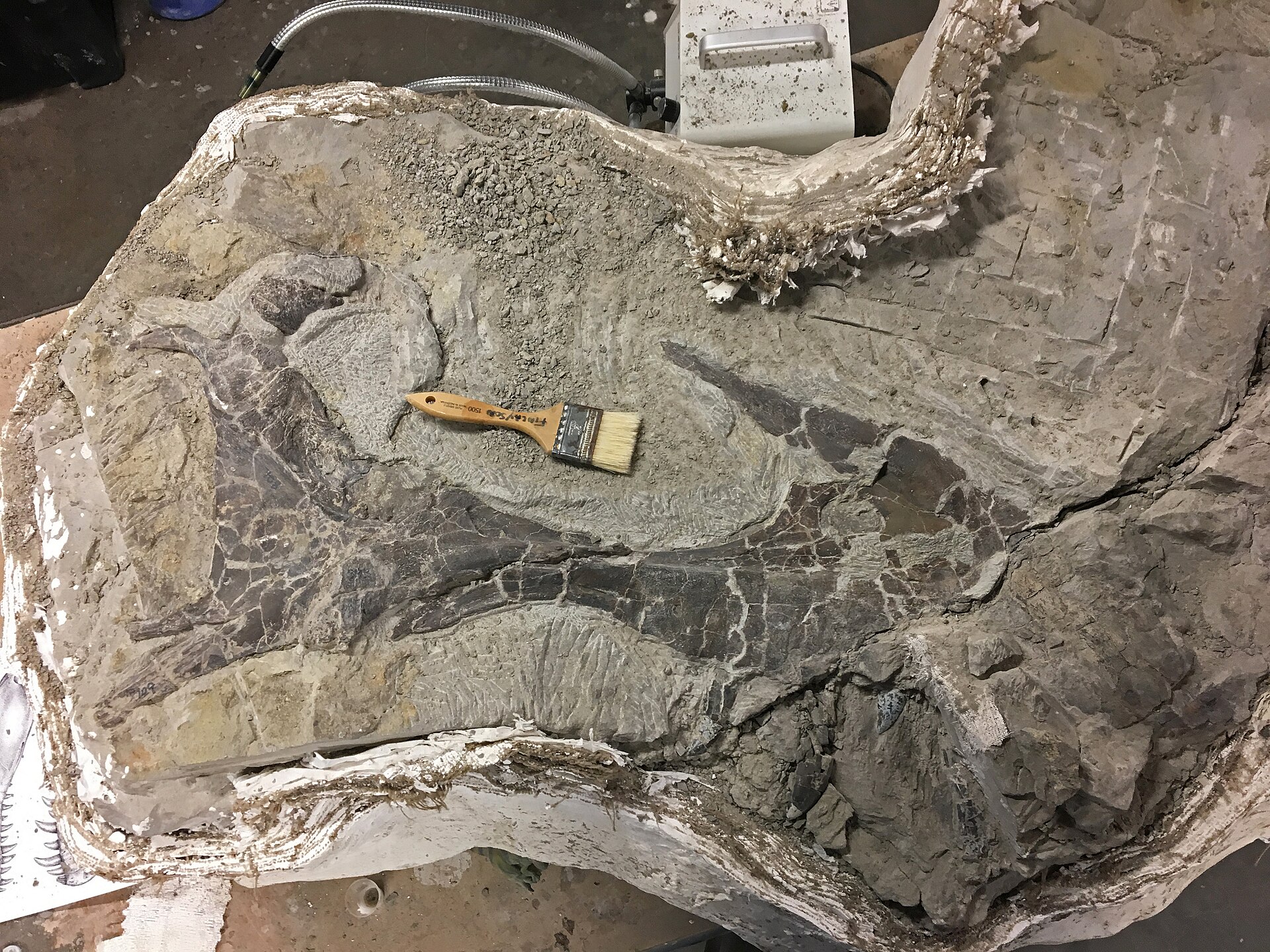
Meet Teratophoneus, a short-skulled tyrannosaur from Utah’s Kaiparowits Formation that lived roughly 76 million years ago.
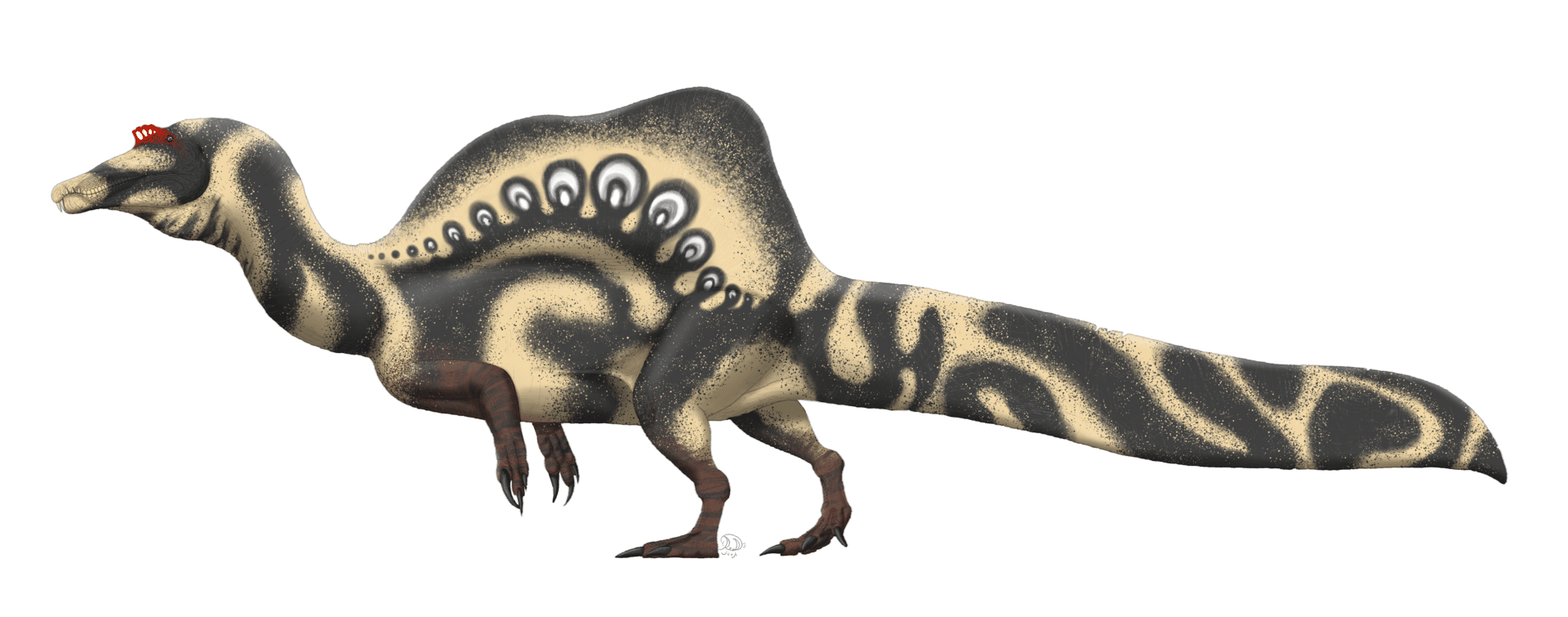
Meet Oxalaia, a spinosaurid from Brazil’s Cenomanian Alcântara Formation, known from a snout tip and once the country’s largest theropod.
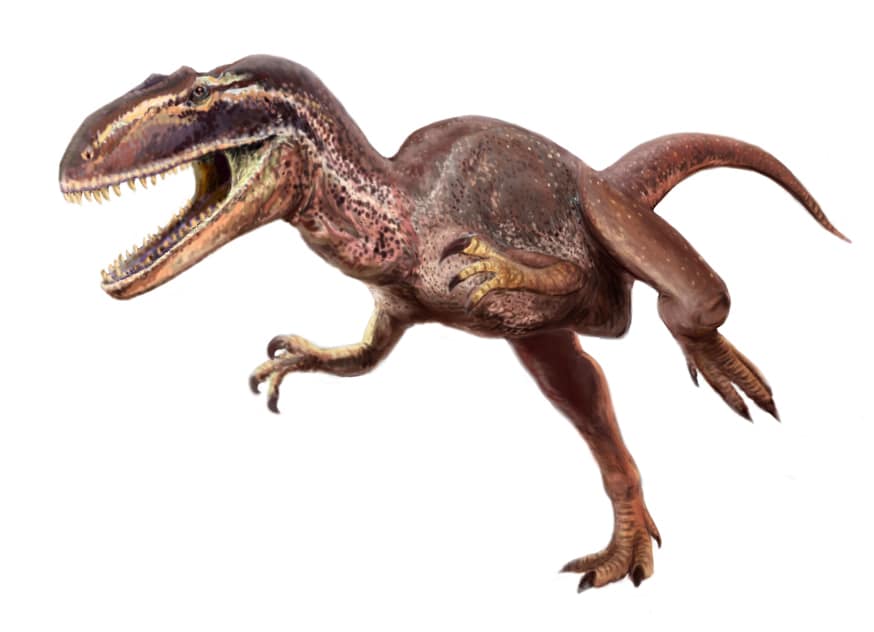
Meet Metriacanthosaurus, a tall-spined theropod from the Late Jurassic Oxford Clay of Dorset, England, known from one partial skeleton.
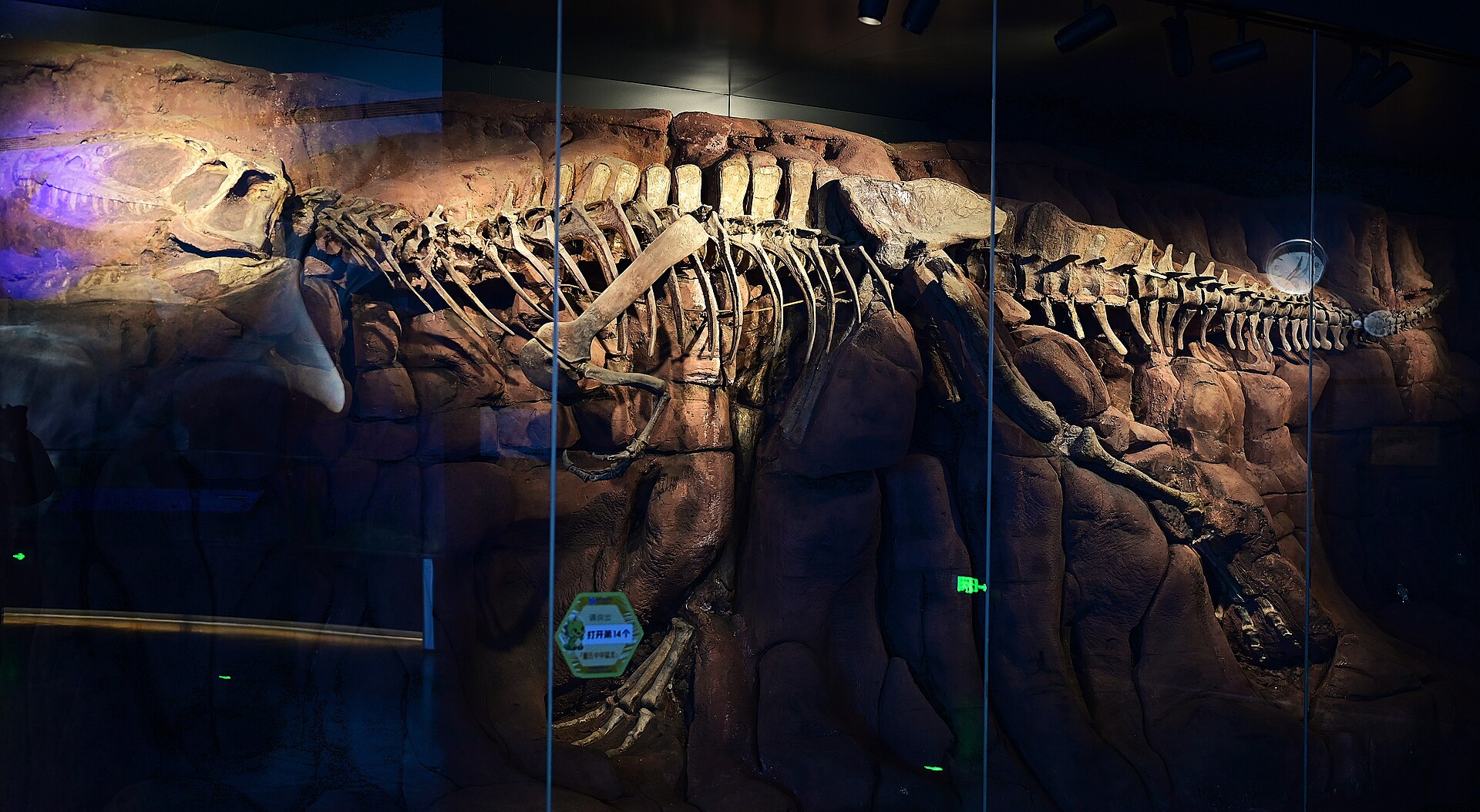
Meet Sinraptor, a large allosauroid predator from Late Jurassic Xinjiang whose skull bears dozens of healed bite wounds.
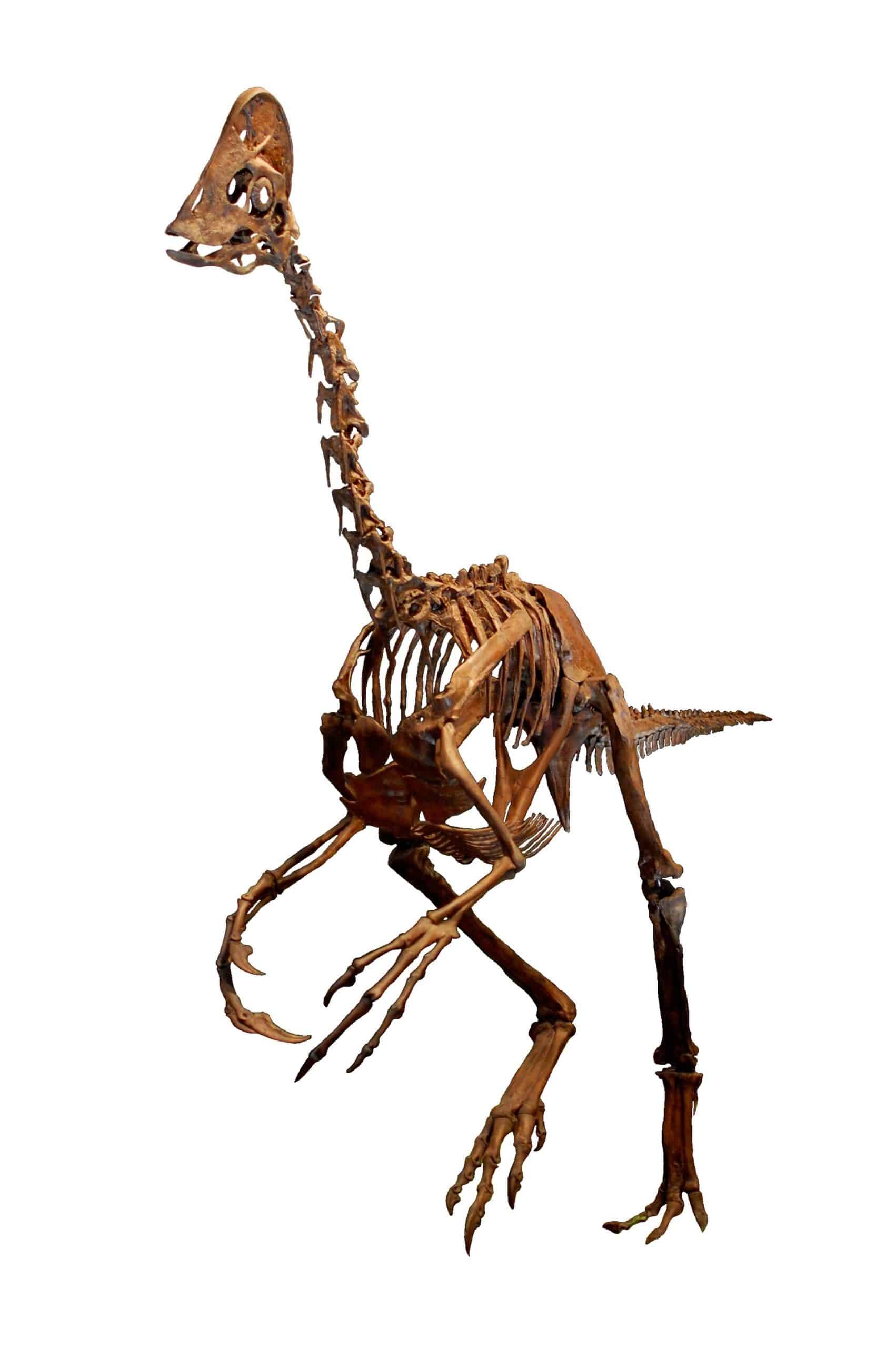
Meet Anzu, a crested, toothless oviraptorosaur from South Dakota’s Hell Creek Formation that its describers nicknamed the “Chicken from Hell.”
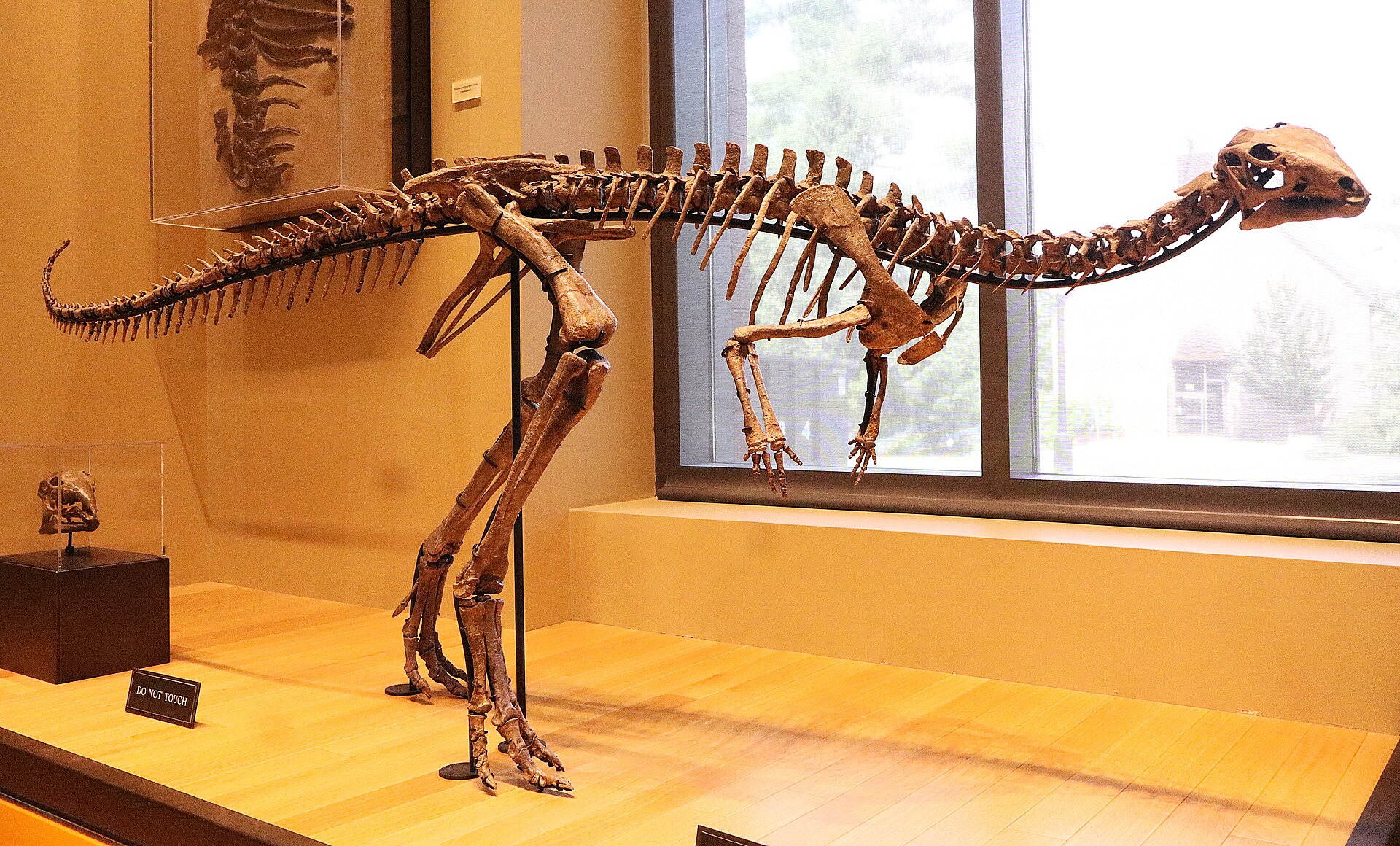
Meet Dryosaurus, a slender, long-legged plant-eater from the Late Jurassic Morrison Formation, first named by O.C. Marsh in 1878.
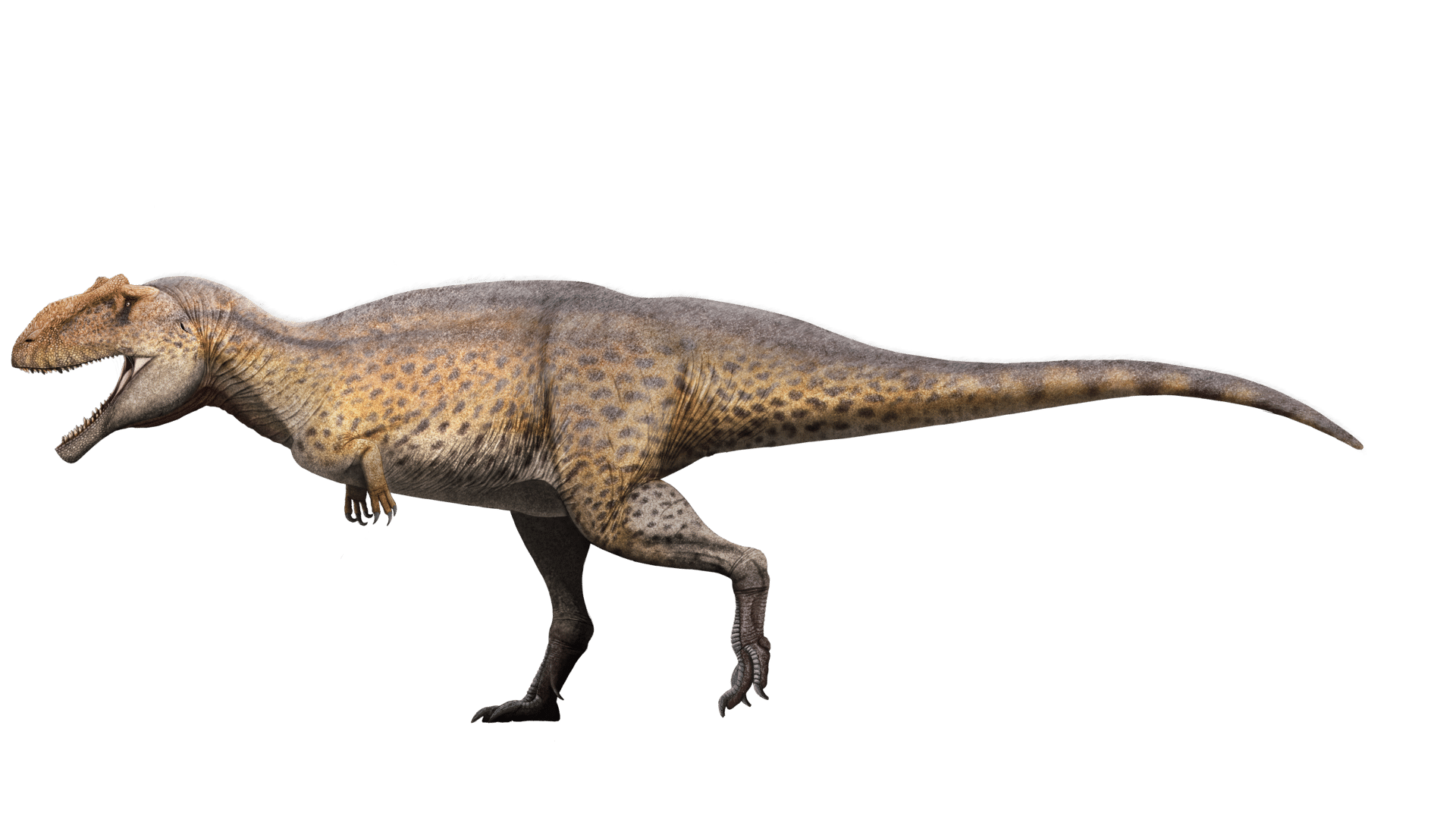
Meet Meraxes, a giant carcharodontosaurid from Argentina’s Huincul Formation with a horned skull, tiny arms, and an unusually long life.
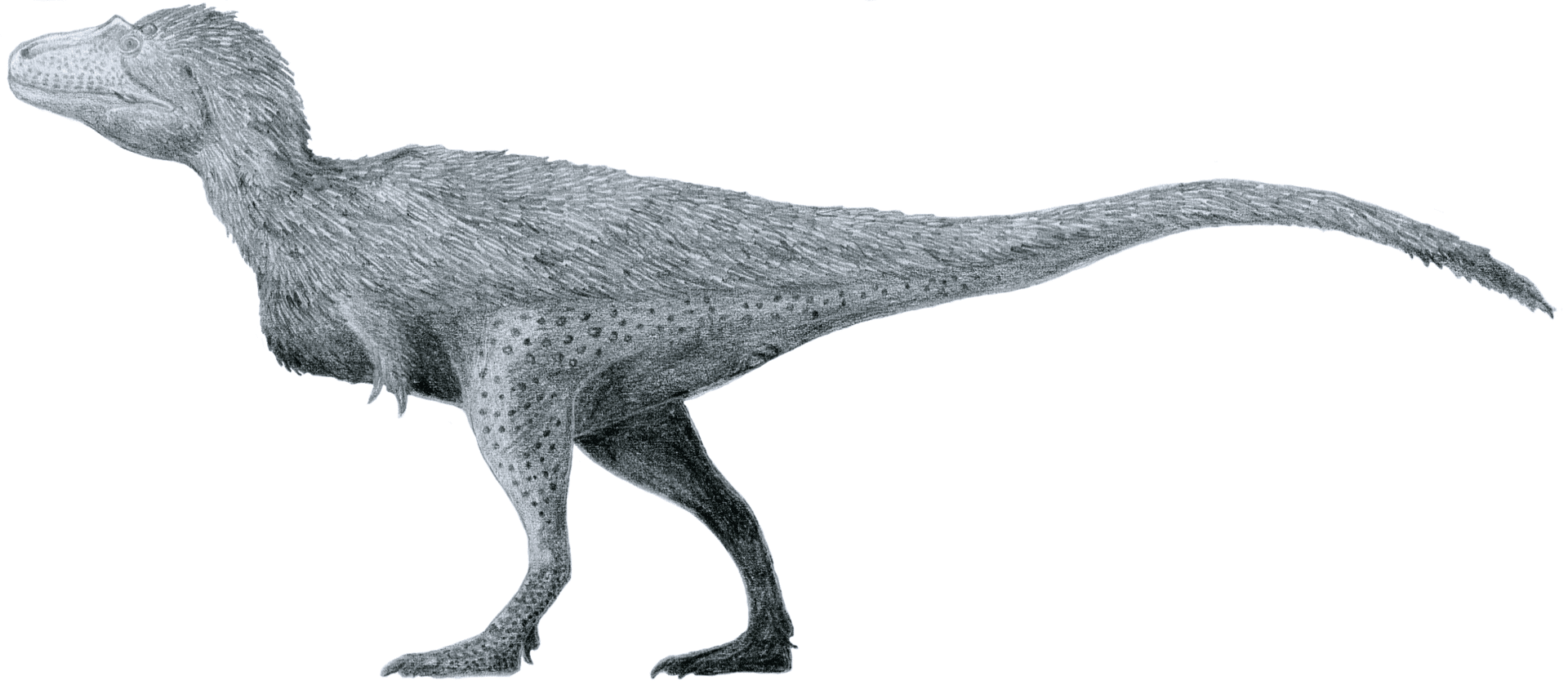
Meet Lythronax, a broad-skulled tyrannosaurid from Utah’s Wahweap Formation and one of the oldest well-dated members of its family.
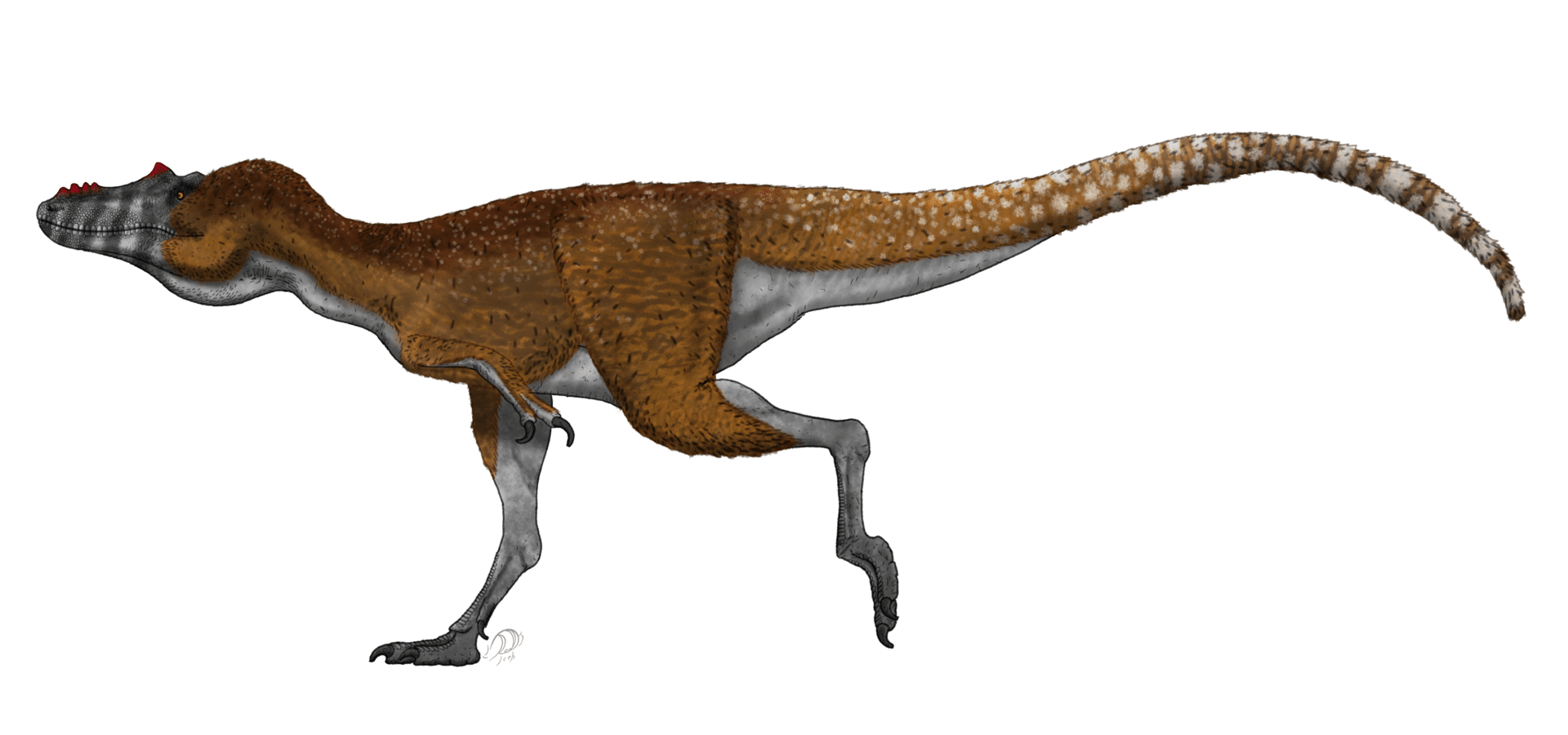
Meet Qianzhousaurus, a long-snouted tyrannosaurid from the Late Cretaceous of southern China, nicknamed “Pinocchio rex” in the press.
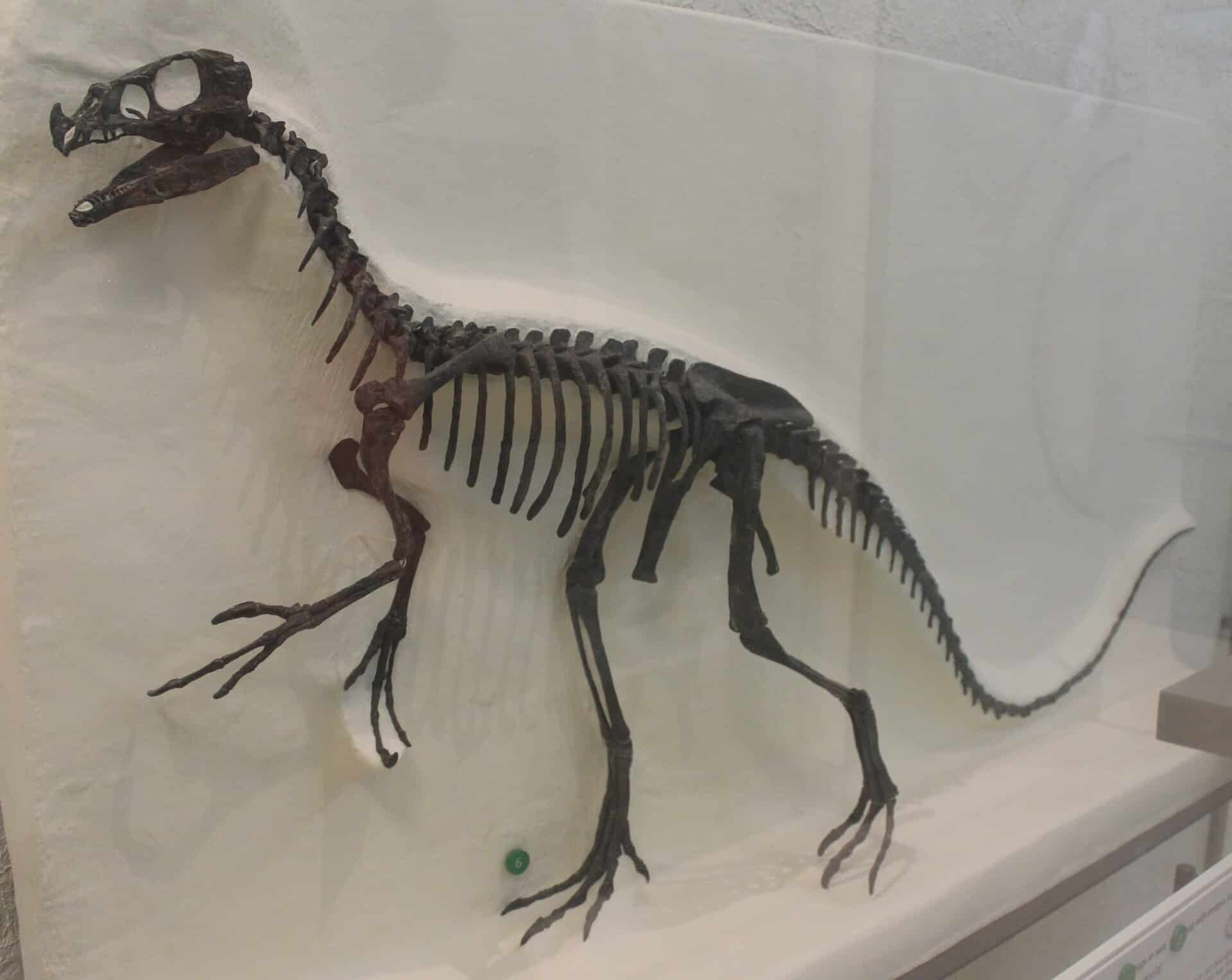
Meet Ornitholestes, a small, long-fingered theropod from Wyoming’s Late Jurassic whose “bird robber” name outlived its namer’s own doubts.
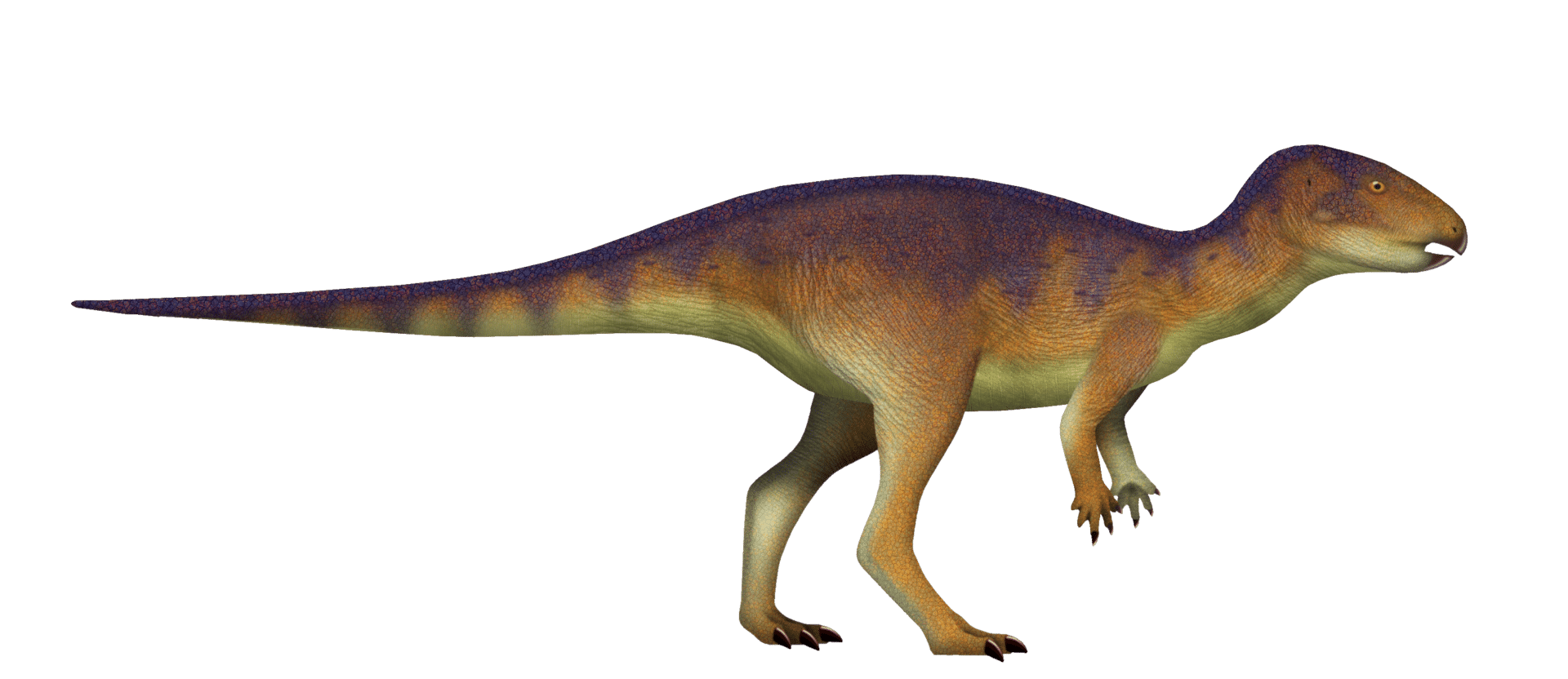
Meet Micropachycephalosaurus, a tiny plant-eater from Shandong’s Late Cretaceous whose place on the dinosaur family tree is still debated.
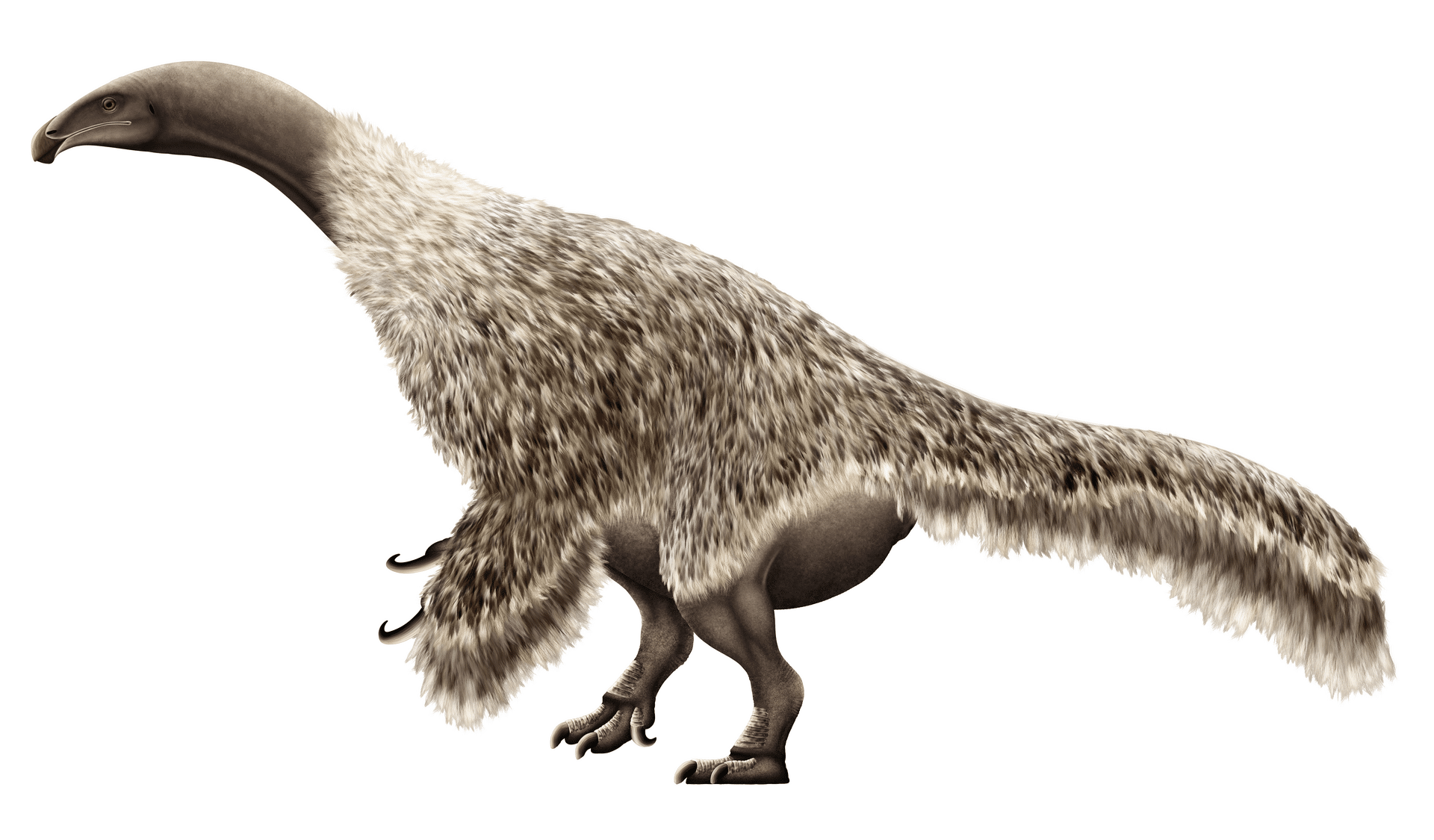
Nanshiungosaurus, a therizinosaur from Guangdong, China, was first described as a sauropod from little more than its neck, back and hips.
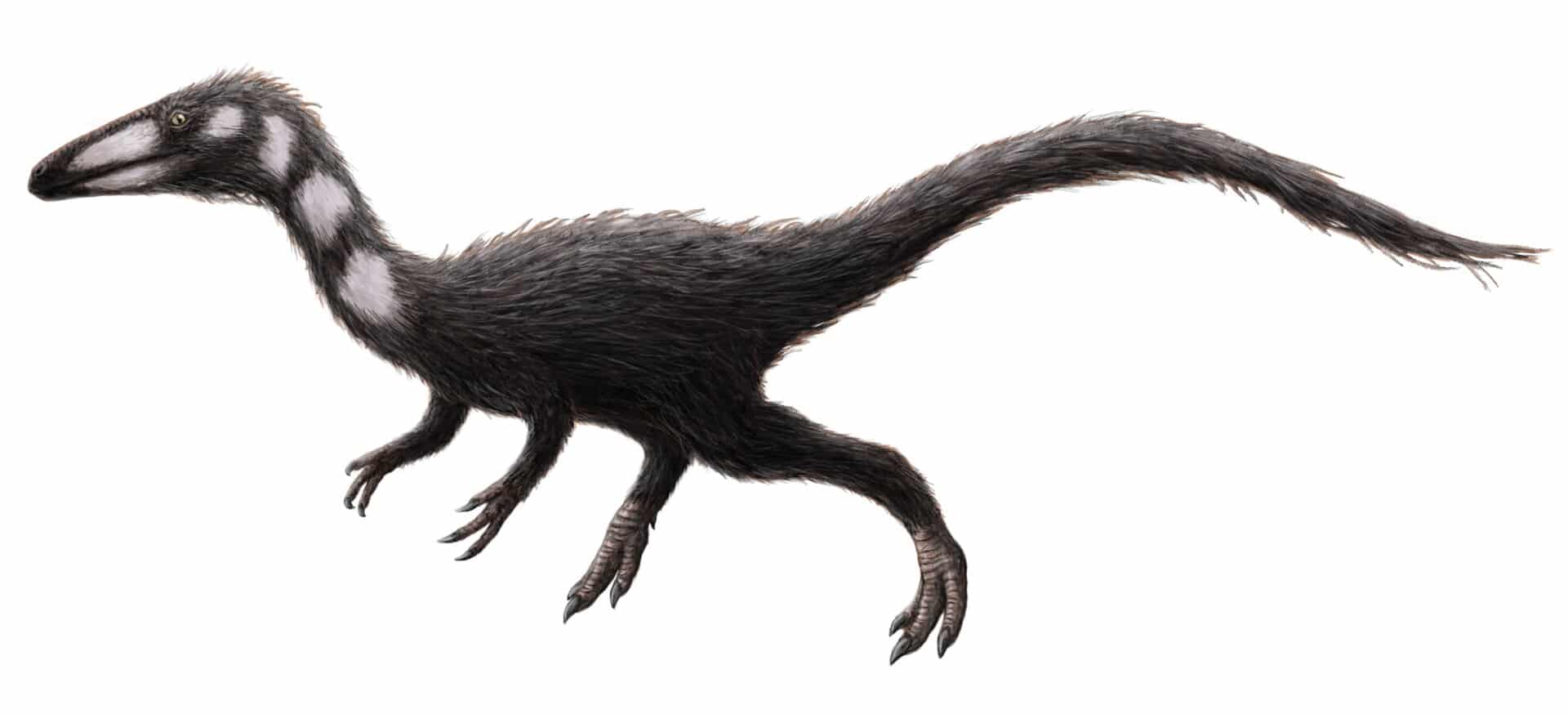
Meet Procompsognathus, a small coelophysid theropod from Germany’s Late Triassic whose famous skull turned out to belong to another animal.
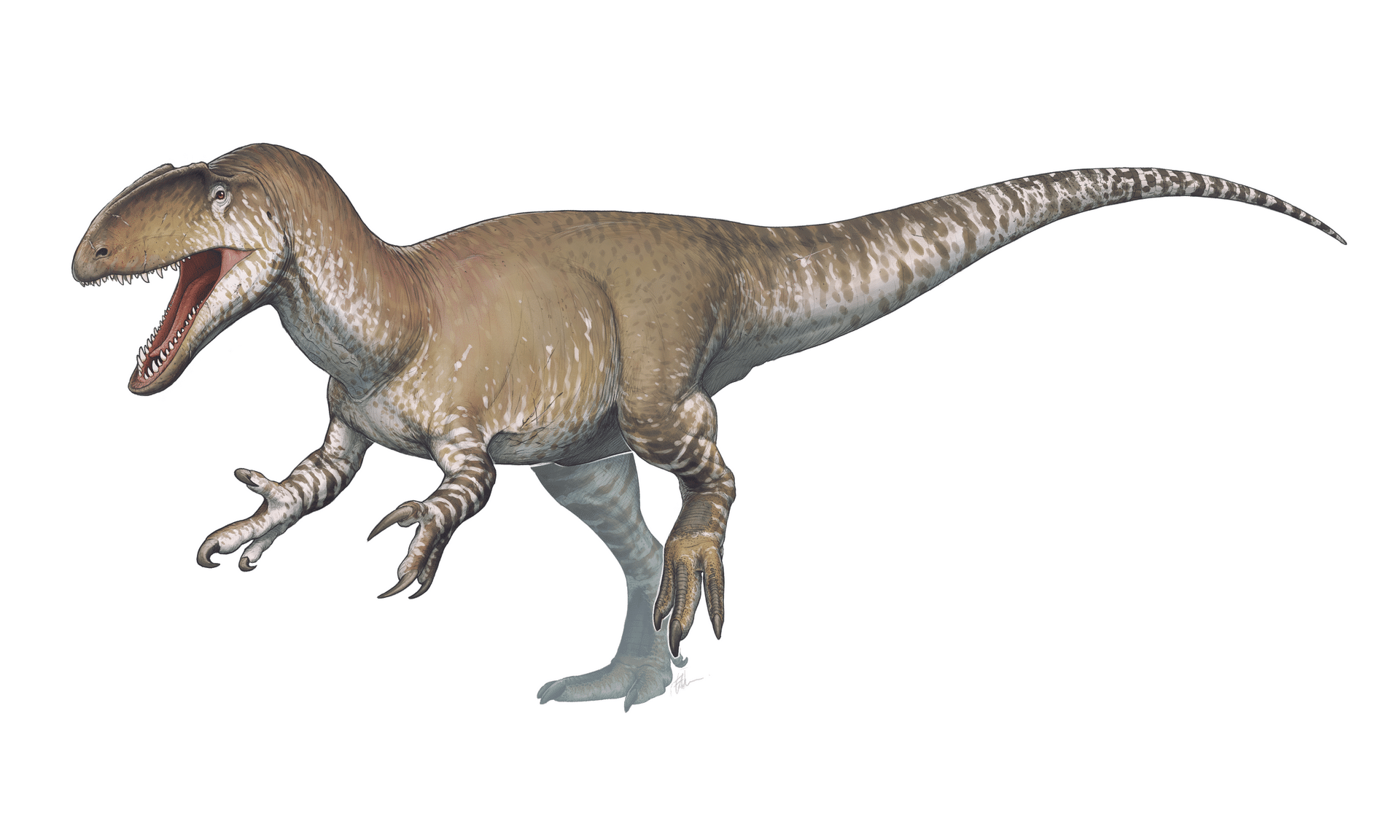
Meet Neovenator, a gracile 7.5-meter predator from the Isle of Wight whose snout hid a dense web of nerves and blood vessels.
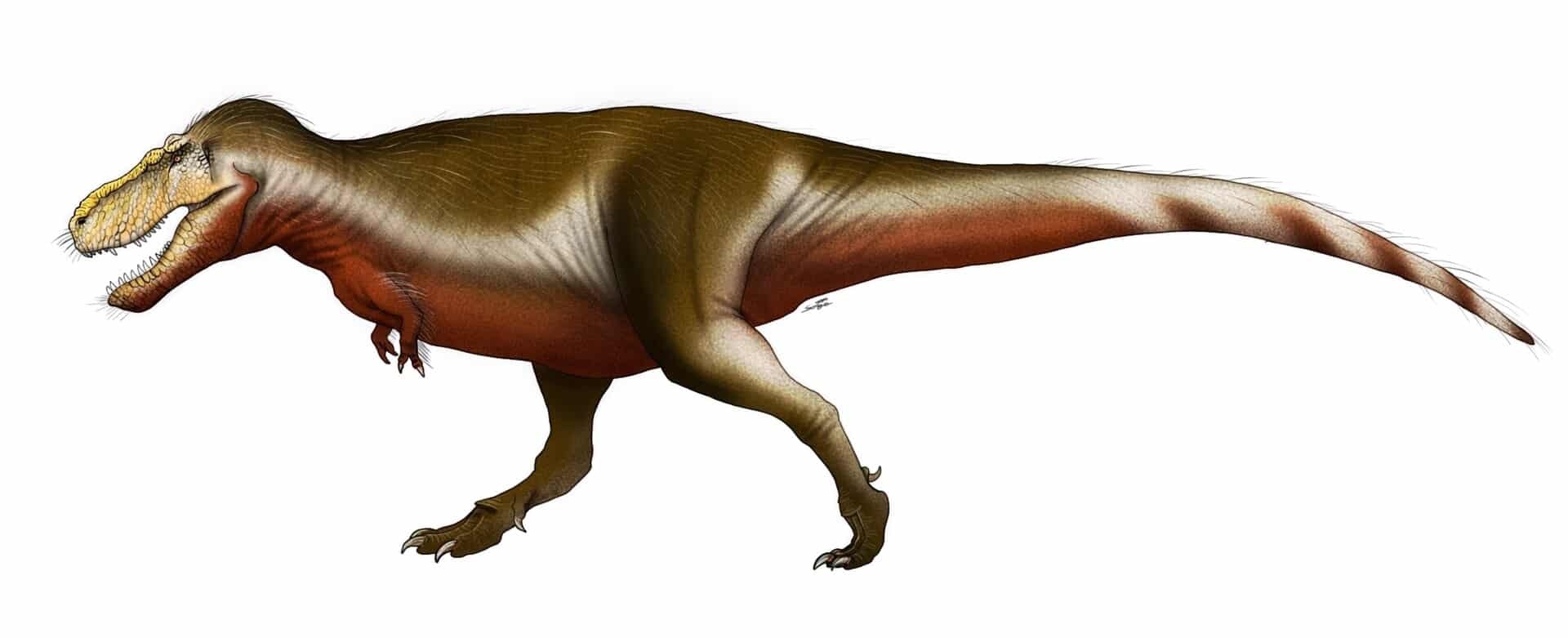
Meet Zhuchengtyrannus, a giant tyrannosaurine from China’s Late Cretaceous, known only from its jaws and close kin of Tarbosaurus and T. rex.
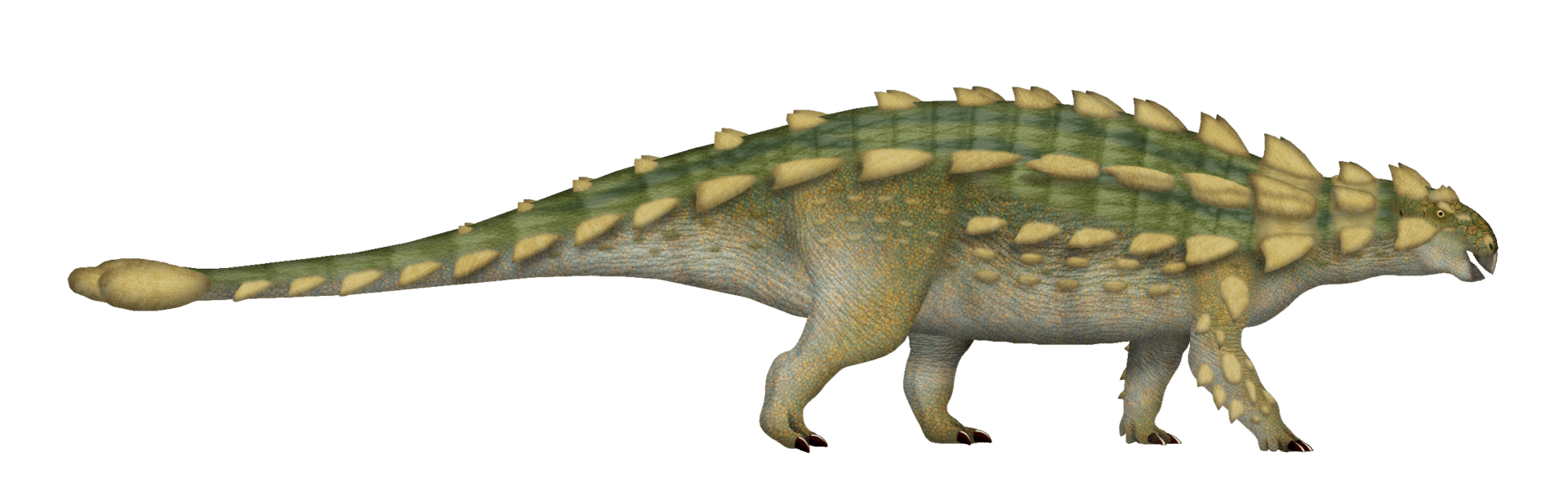
Meet Zuul, a club-tailed ankylosaur from Montana’s Late Cretaceous, known from the most complete ankylosaurid skeleton found in North America.
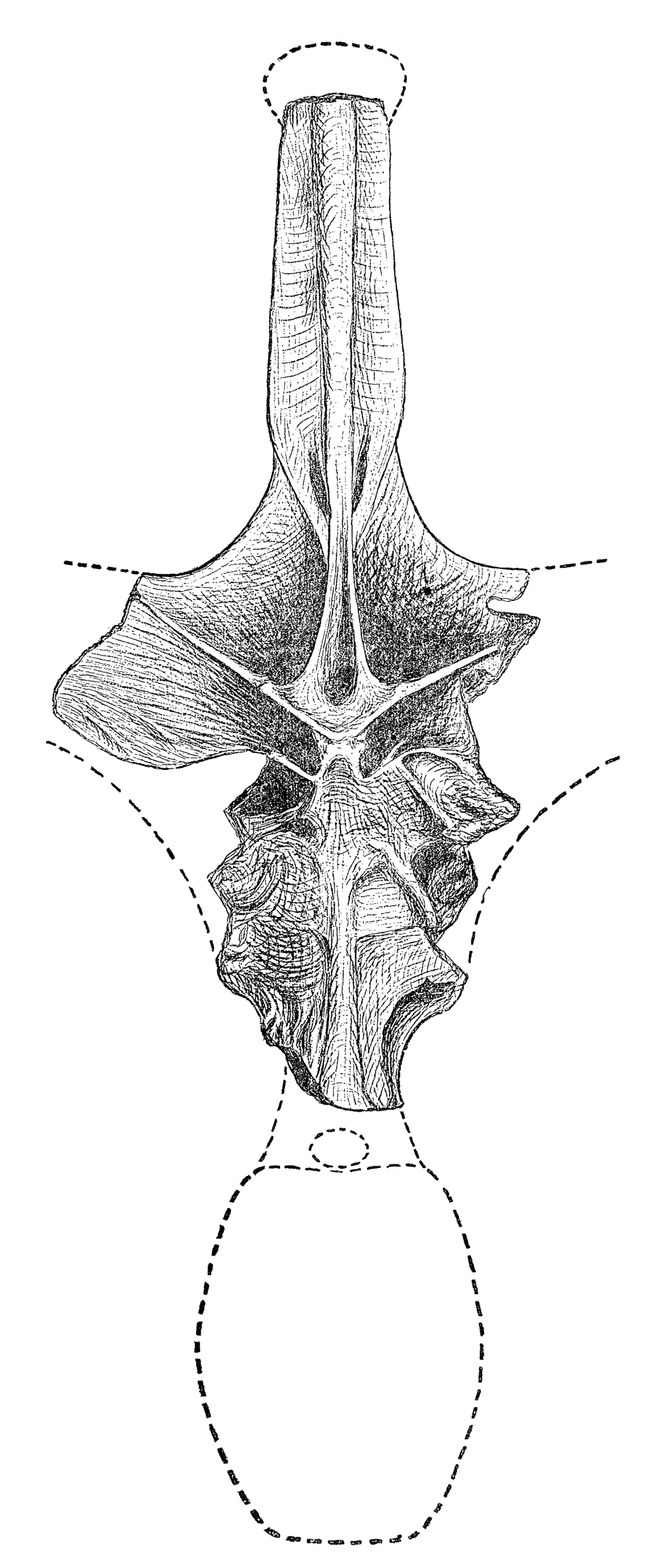
Meet Maraapunisaurus, a Late Jurassic sauropod from Colorado known only from one giant vertebra that was lost more than a century ago.
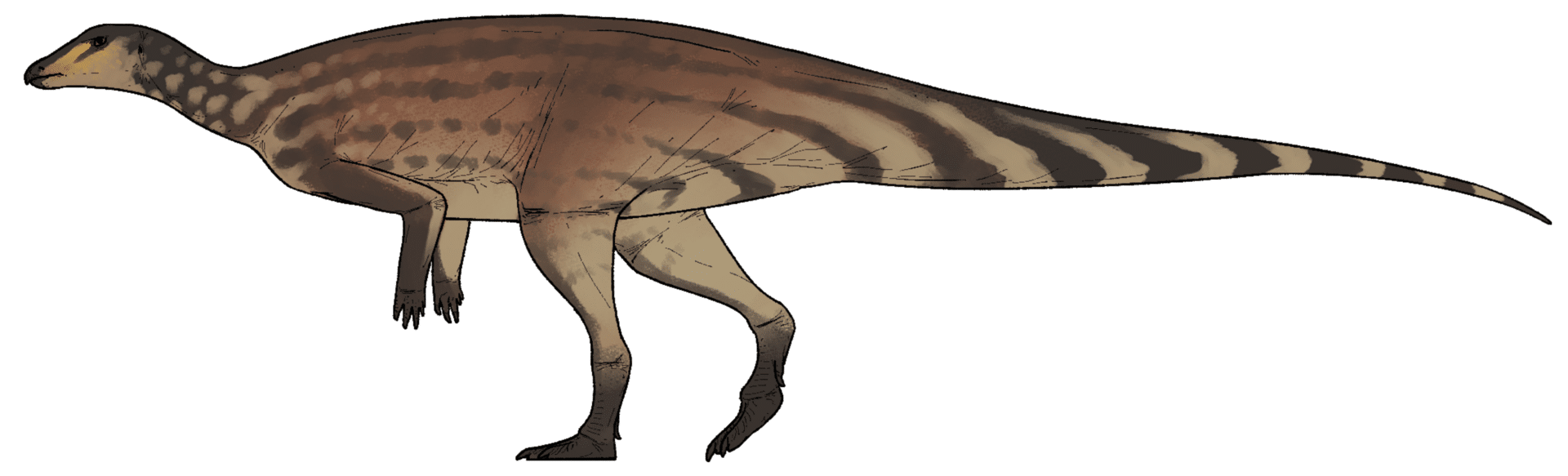
Meet Thescelosaurus, a sturdy herbivore from the last Cretaceous floodplains of Wyoming and the Dakotas that spent years forgotten in packing crates.
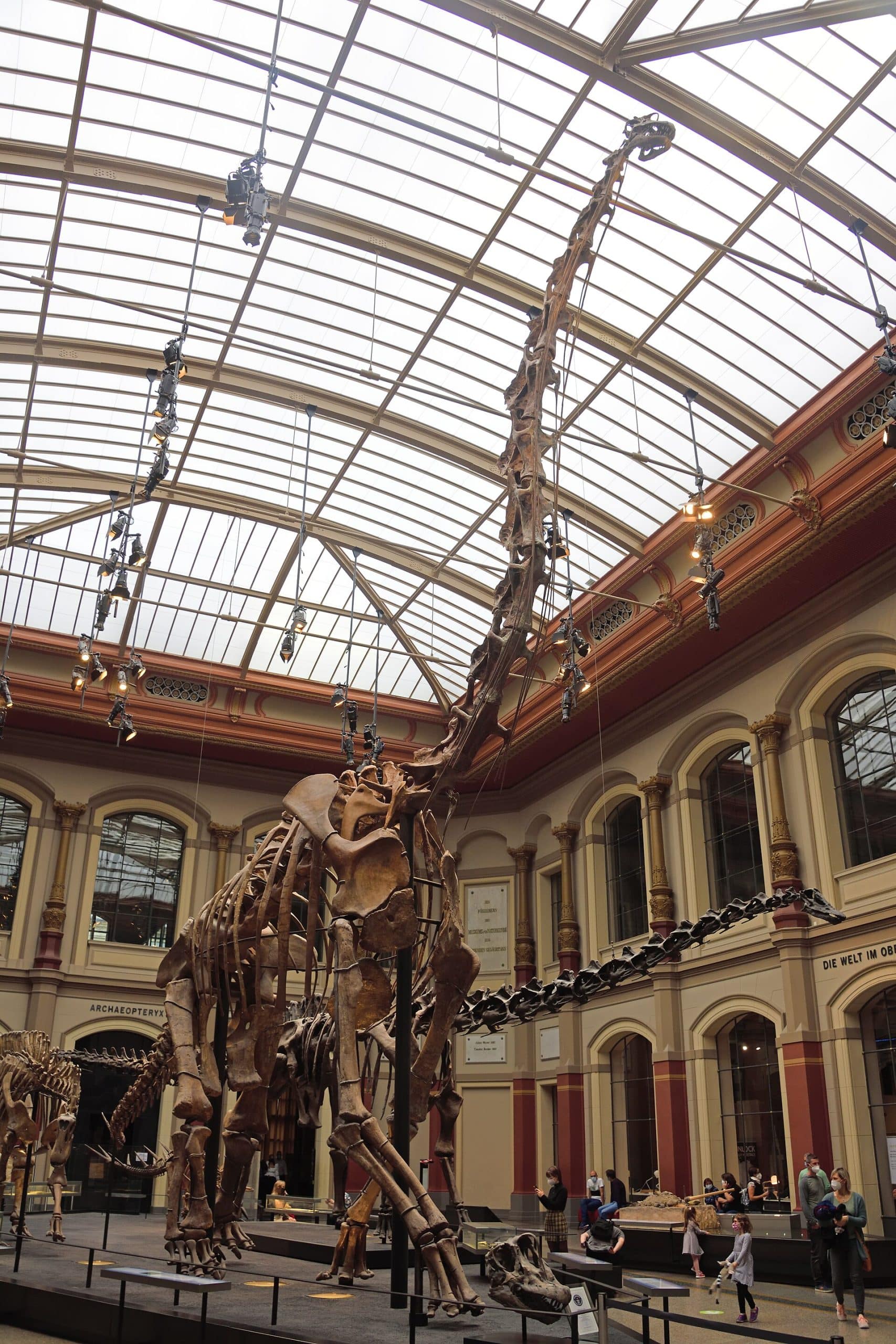
Meet Giraffatitan, a long-necked brachiosaurid from Tanzania’s Late Jurassic whose Berlin skeleton is the tallest dinosaur mount on record.
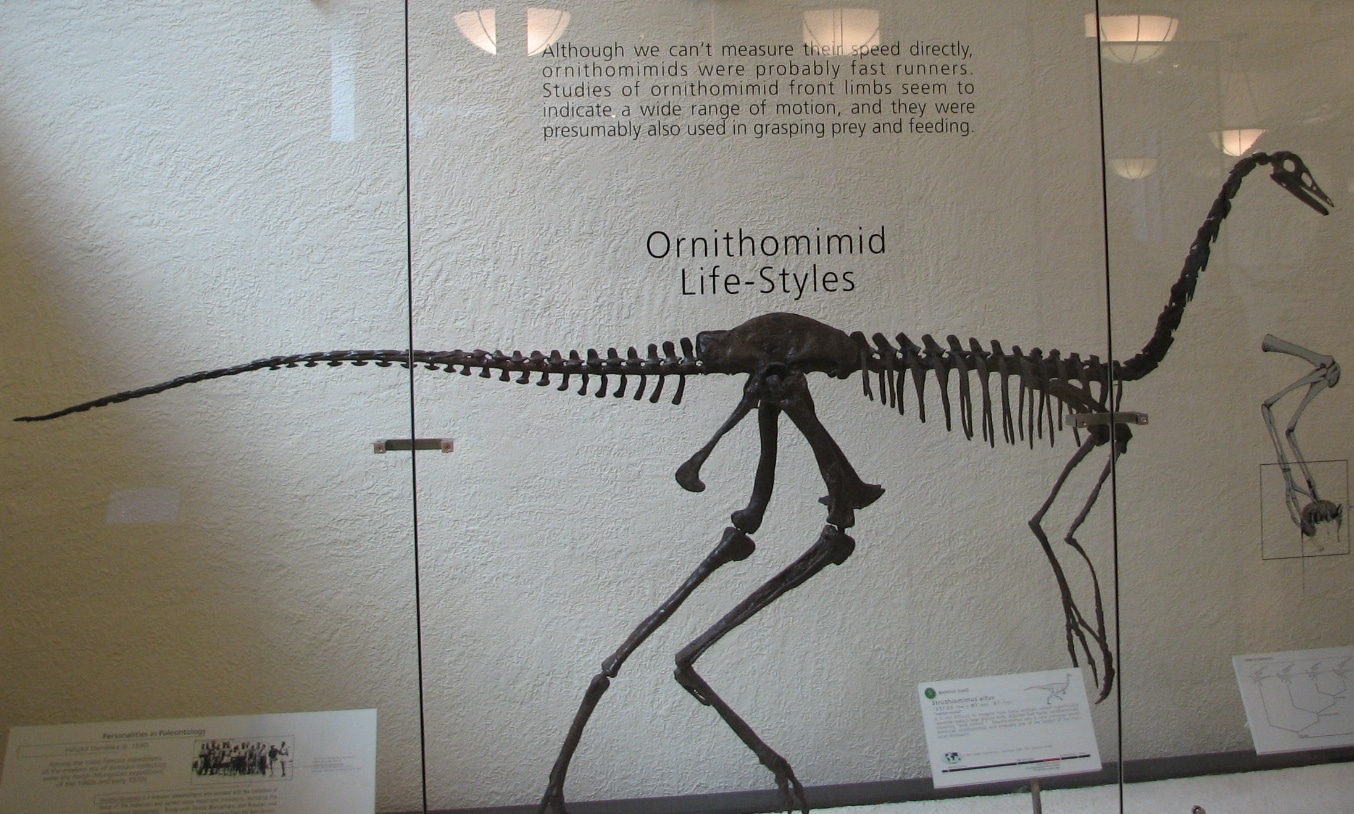
Meet Struthiomimus, a toothless, long-legged ostrich dinosaur from Alberta’s Late Cretaceous whose diet still divides paleontologists.
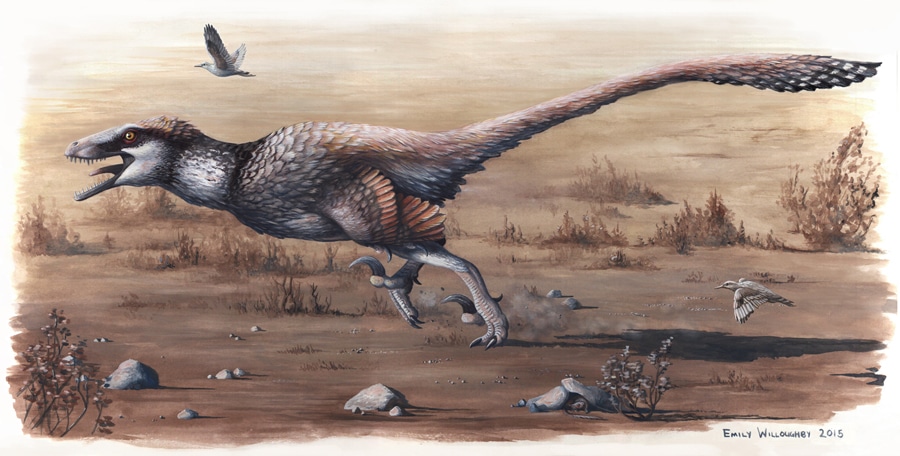
Meet Dakotaraptor, a giant feathered dromaeosaurid from South Dakota’s Hell Creek Formation, known for its quill knobs, huge claw and lively debate.
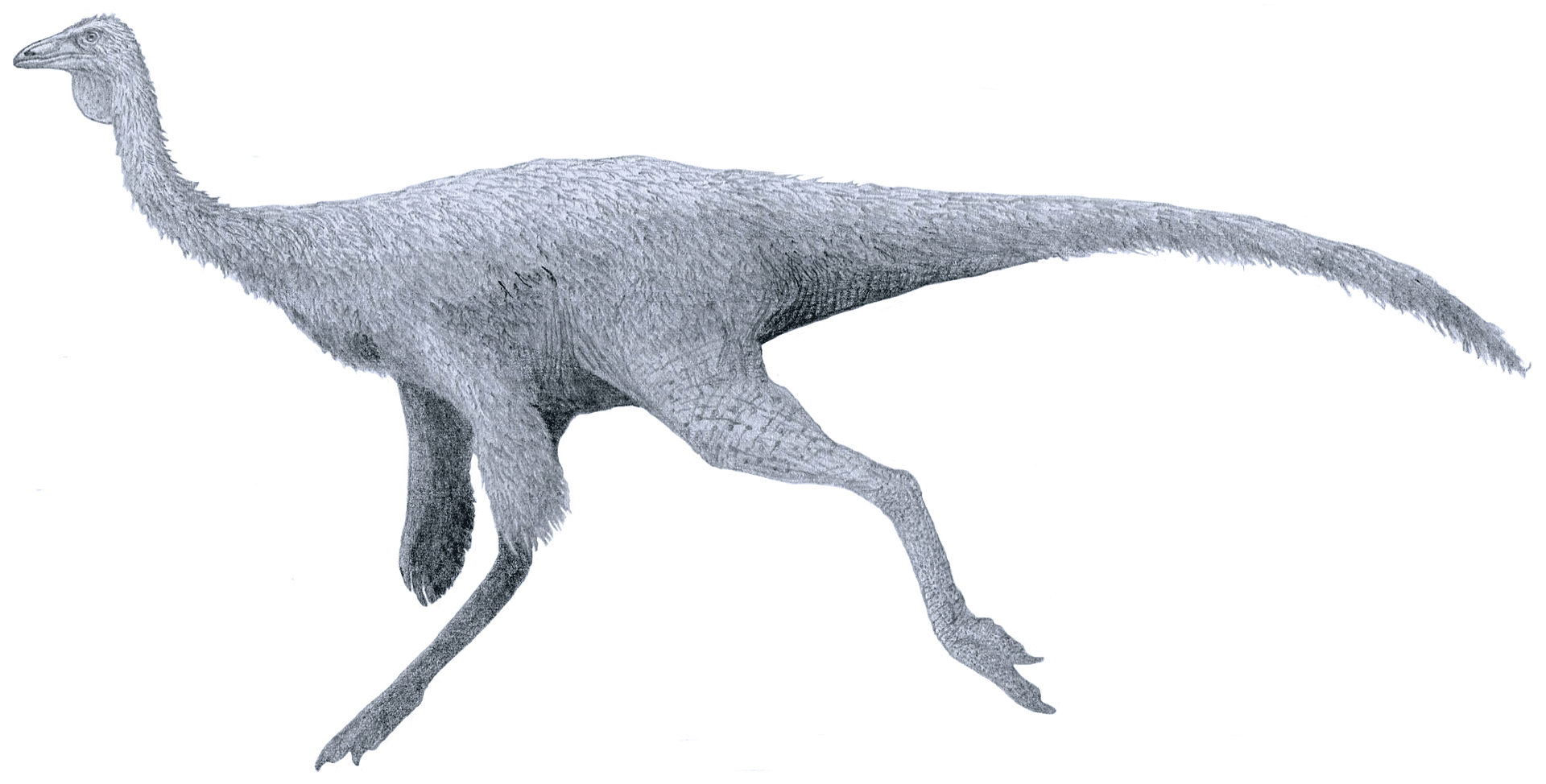
Meet Ornithomimus, a toothless, fleet-footed bird mimic from Colorado and Alberta and the first ornithomimosaur found with fossil feathers.
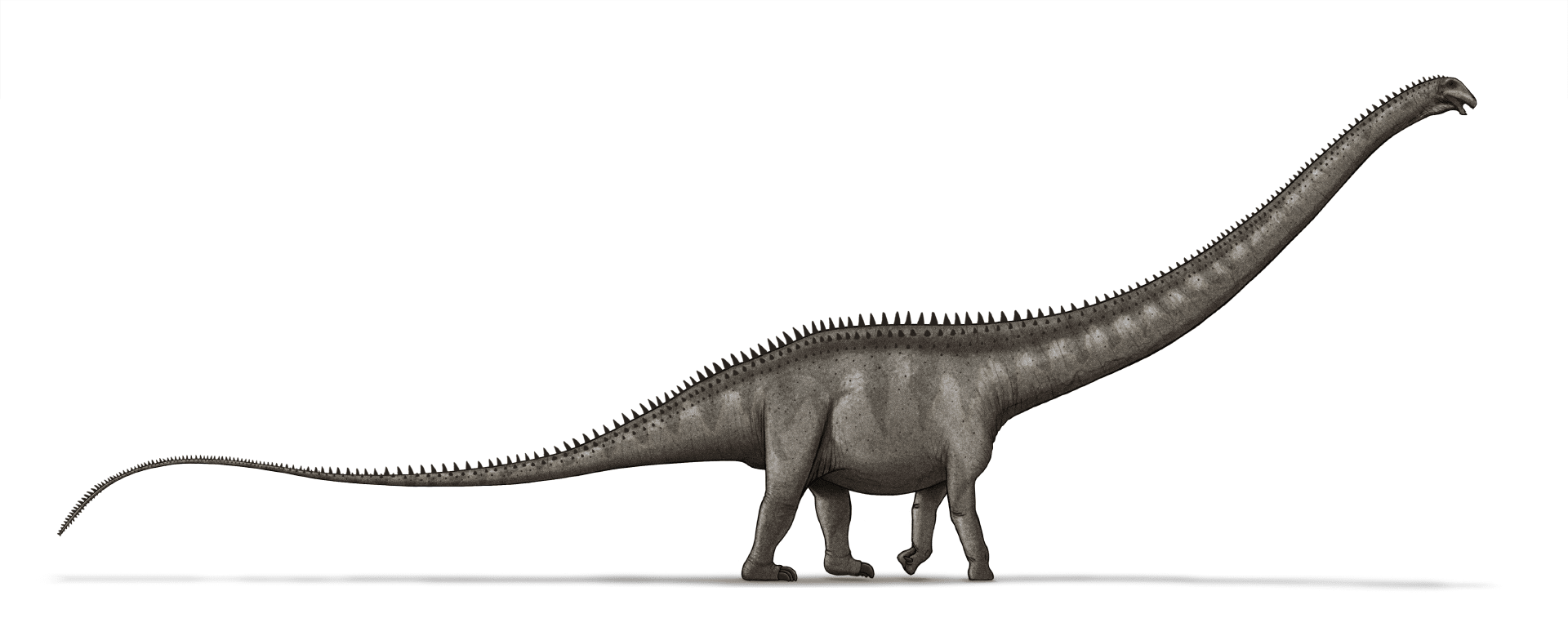
Meet Supersaurus, a giant diplodocid sauropod from Colorado’s Late Jurassic Morrison Formation, first known from a shoulder blade 8 feet long.
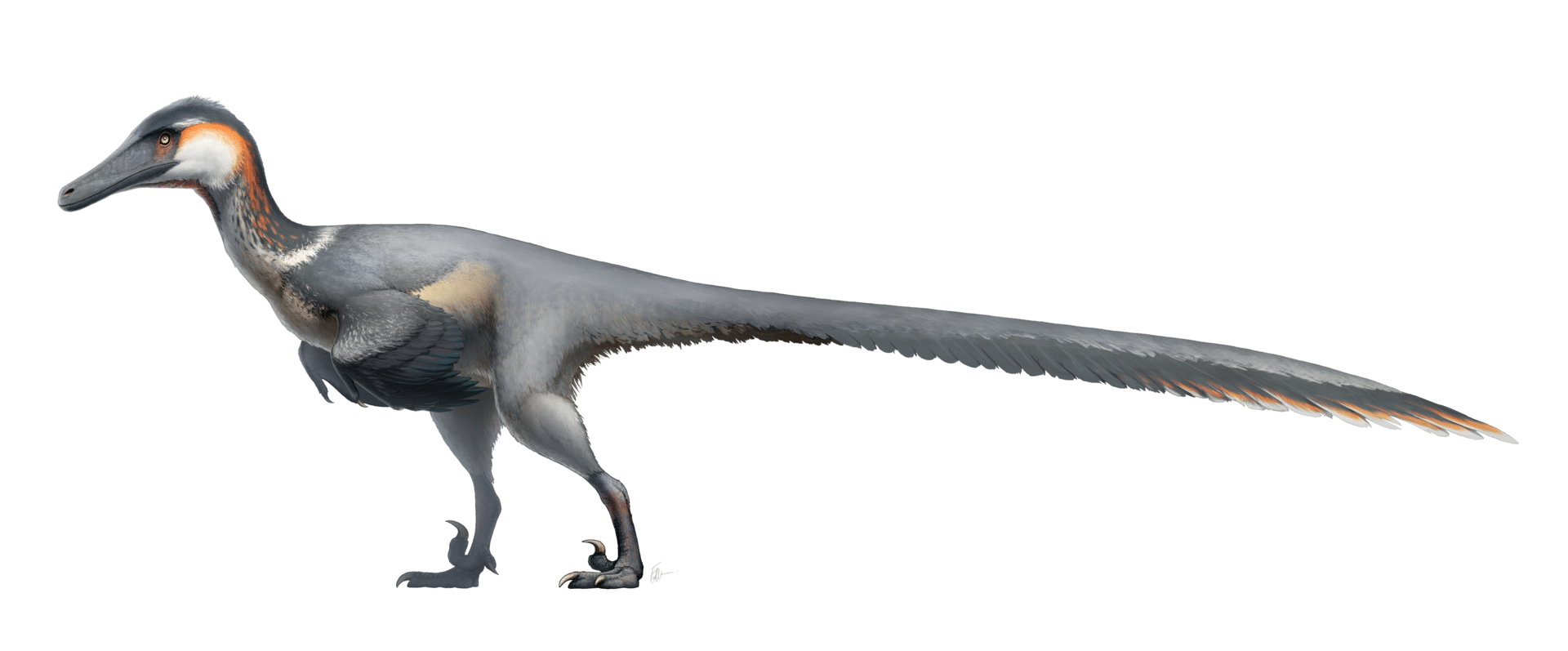
Meet Austroraptor, a long-snouted, short-armed predator from the Late Cretaceous Allen Formation of Patagonia, Argentina.
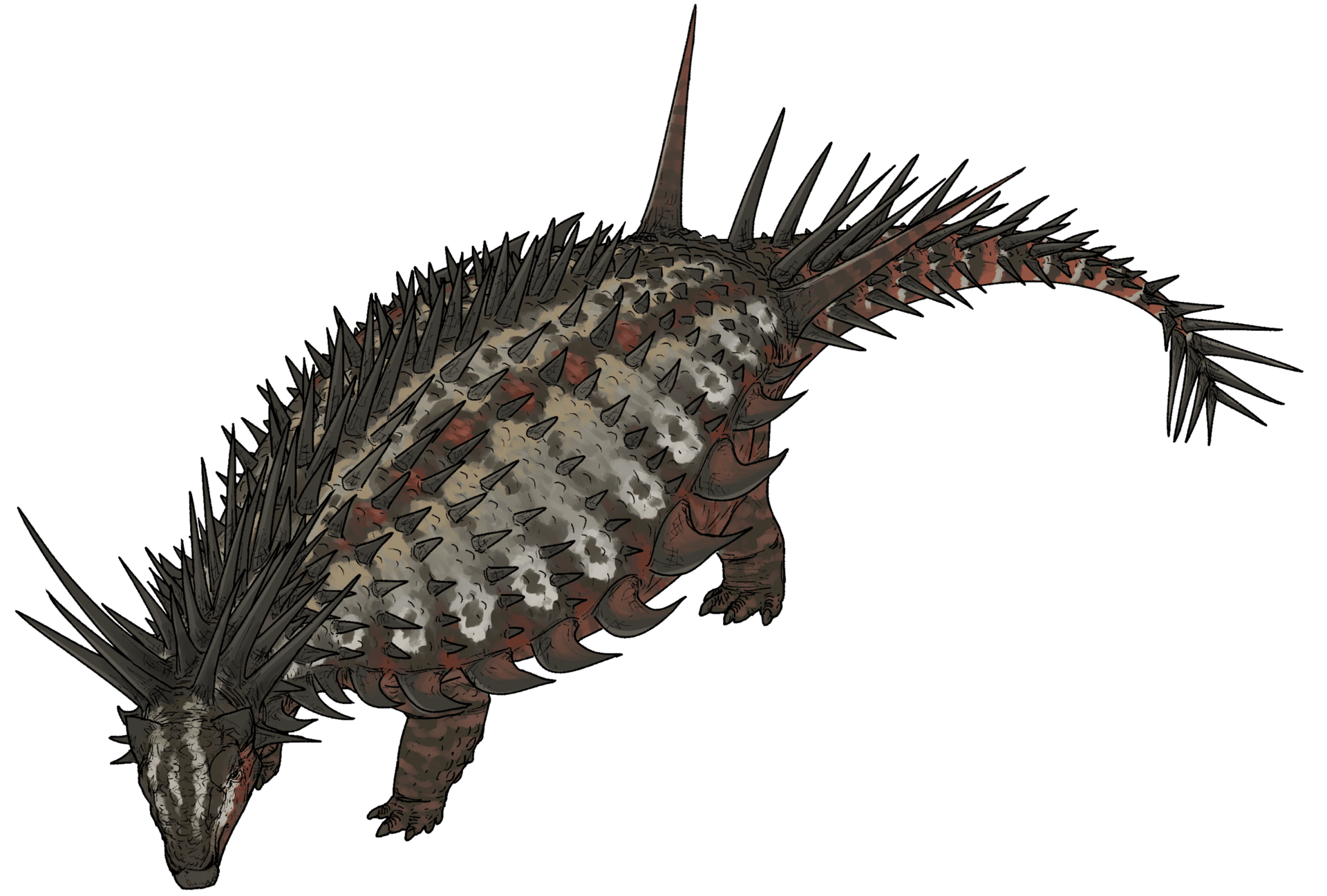
Meet Spicomellus, a Middle Jurassic ankylosaur from Morocco with spikes fused to its ribs and a collar of neck spikes approaching a meter long.
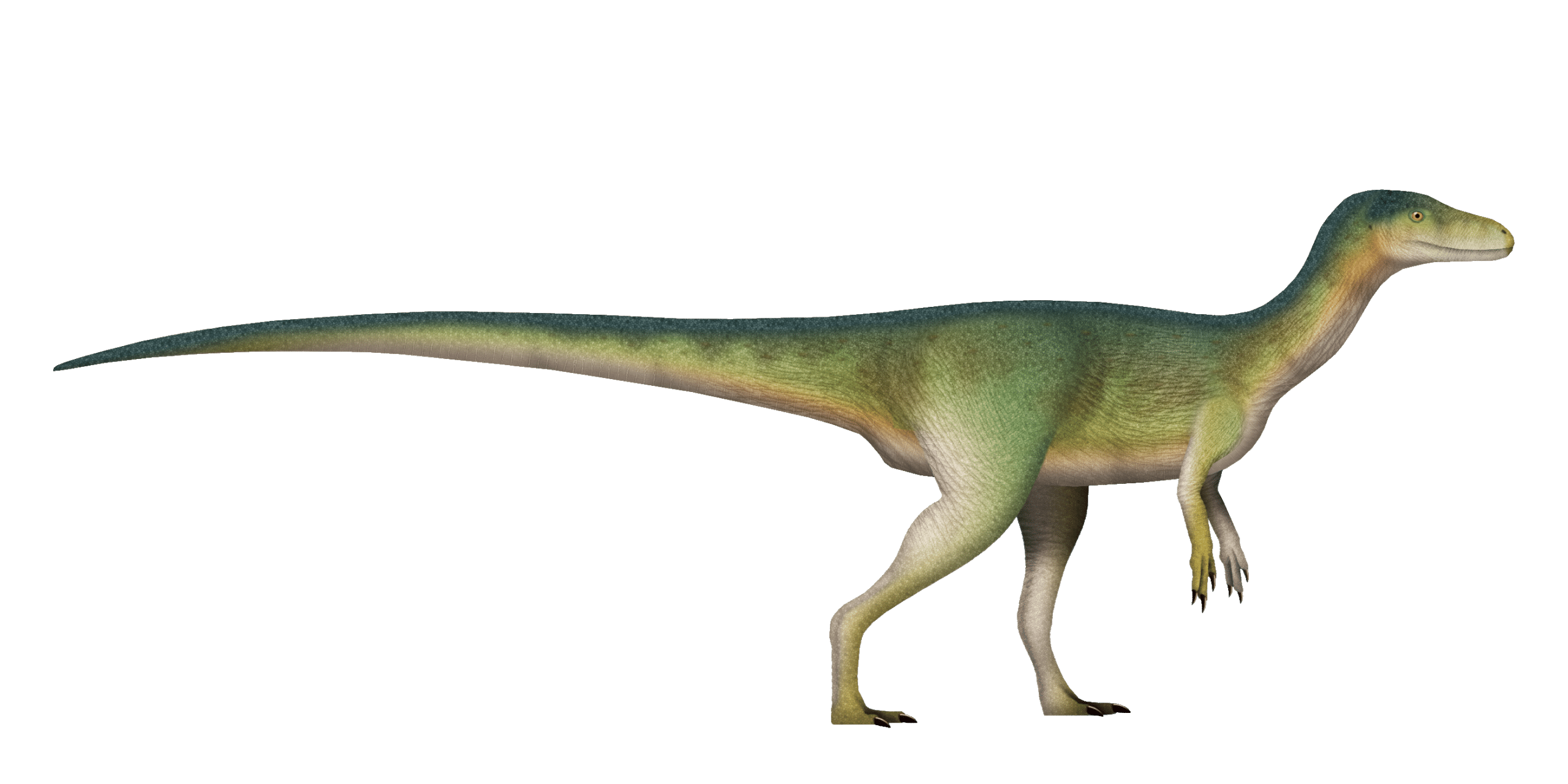
Meet Nyasasaurus, a Triassic reptile from Tanzania known from a few bones that may be the earliest dinosaur or the dinosaurs’ closest relative.
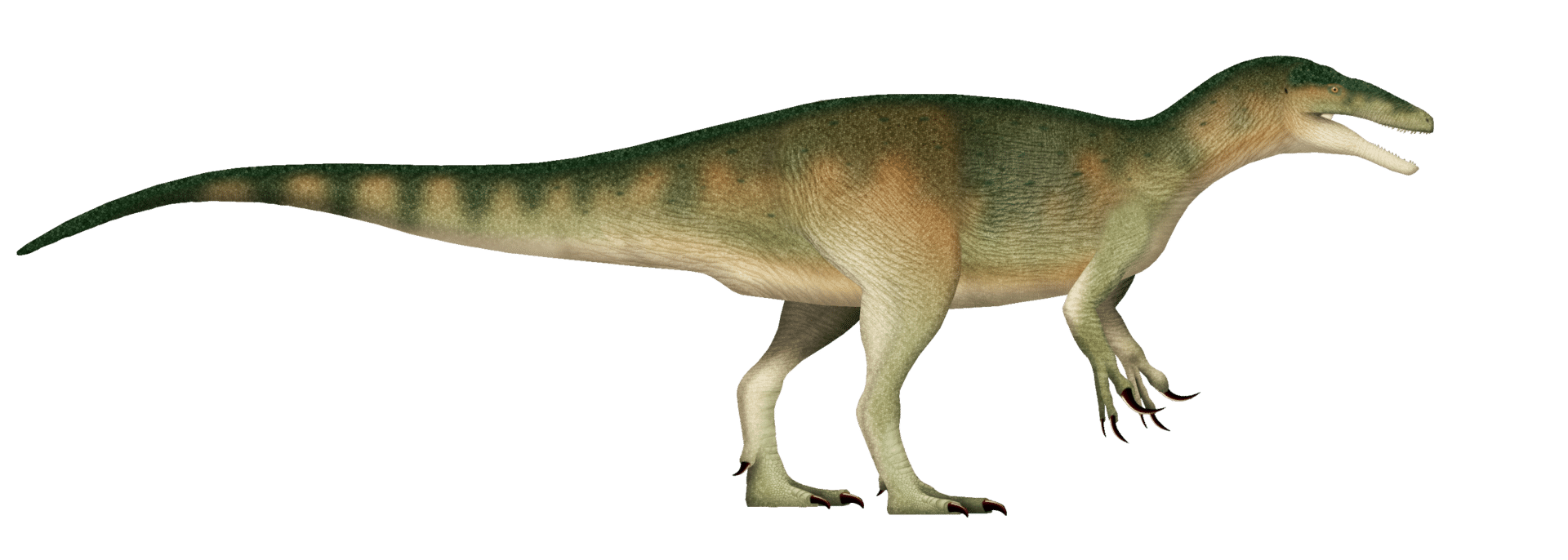
Meet Megaraptor, a Patagonian predator whose giant claw was first thought to sit on its foot, until a 2002 find placed it on the hand.
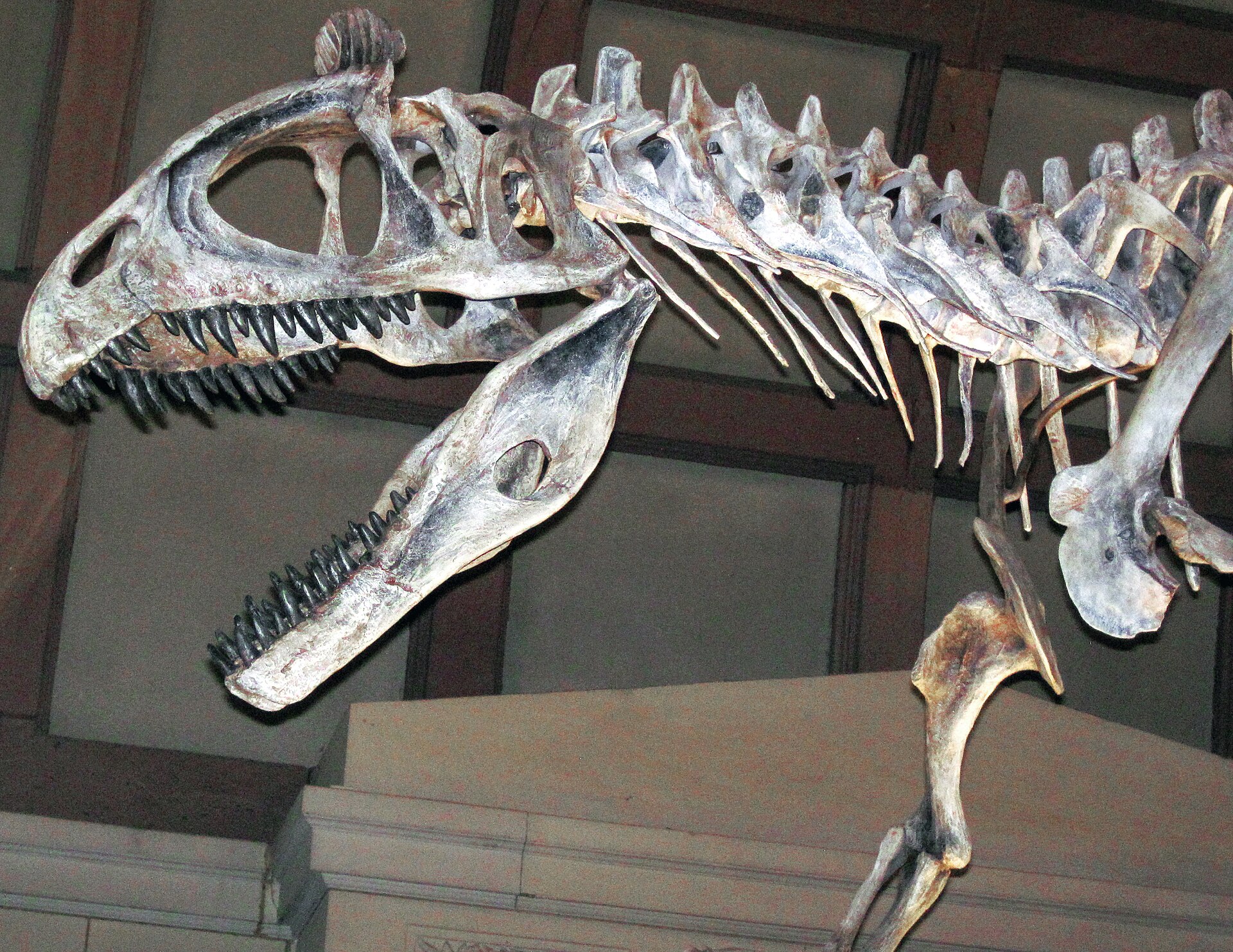
Meet Cryolophosaurus, a crested Early Jurassic predator dug from high on Antarctica’s Mt. Kirkpatrick and the first non-avian dinosaur formally named from the continent.
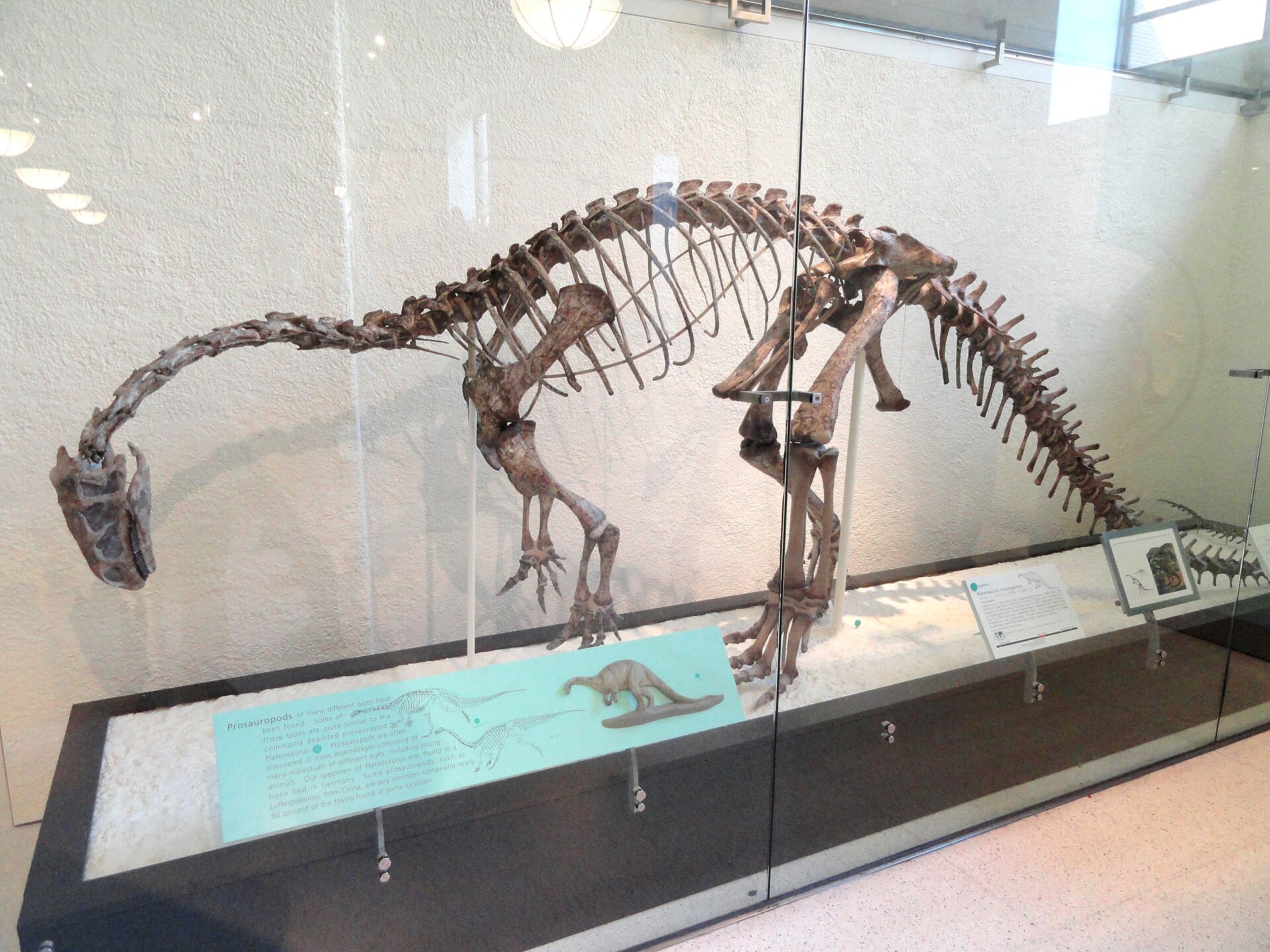
Meet Plateosaurus, a Late Triassic herbivore named in 1837 from Bavarian bones and now known from mass bonebeds across central Europe.
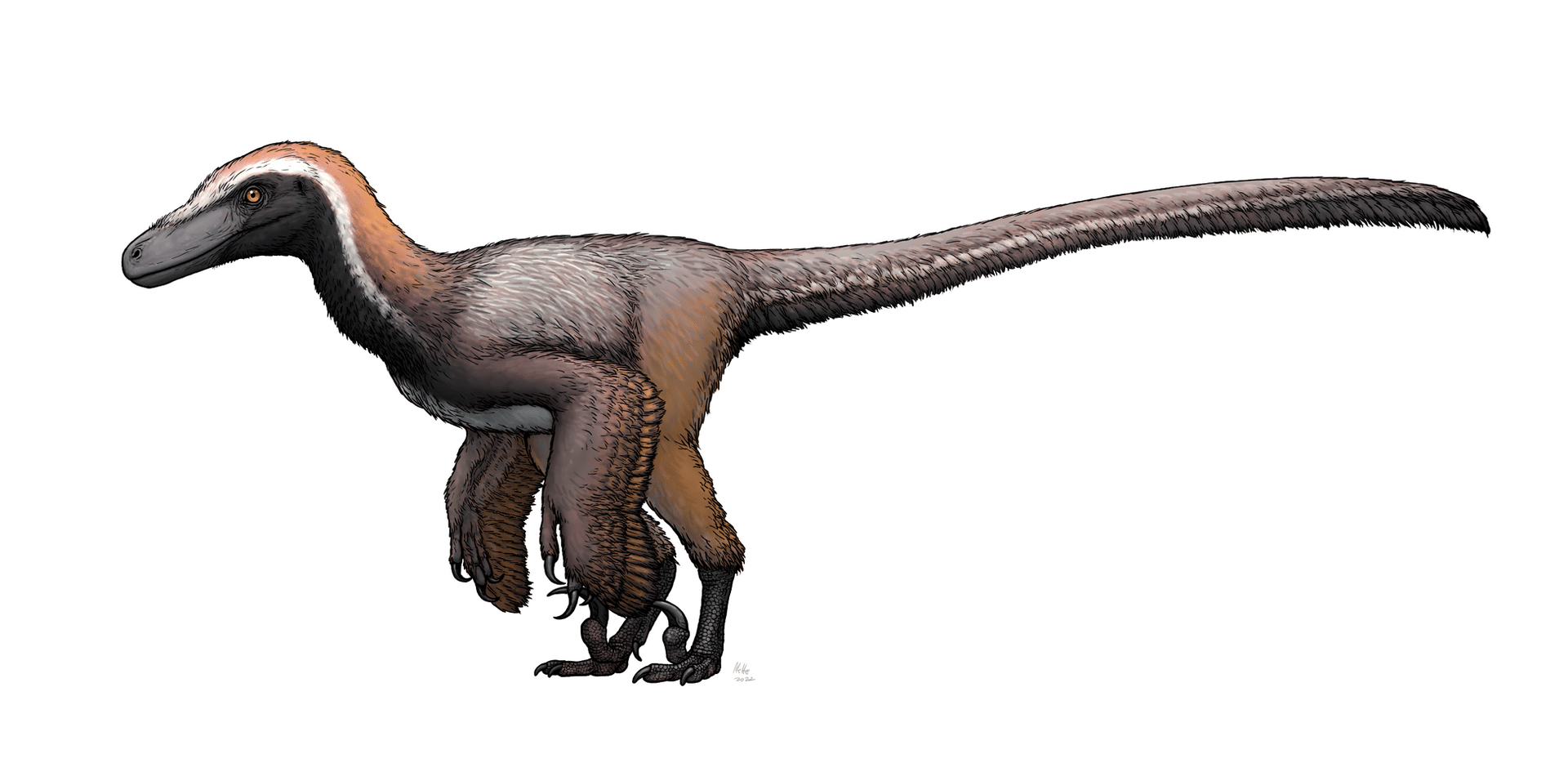
Meet Pyroraptor, a medium-sized dromaeosaurid from Late Cretaceous Provence, known from a large toe claw, a few limb bones and two poorly preserved teeth.
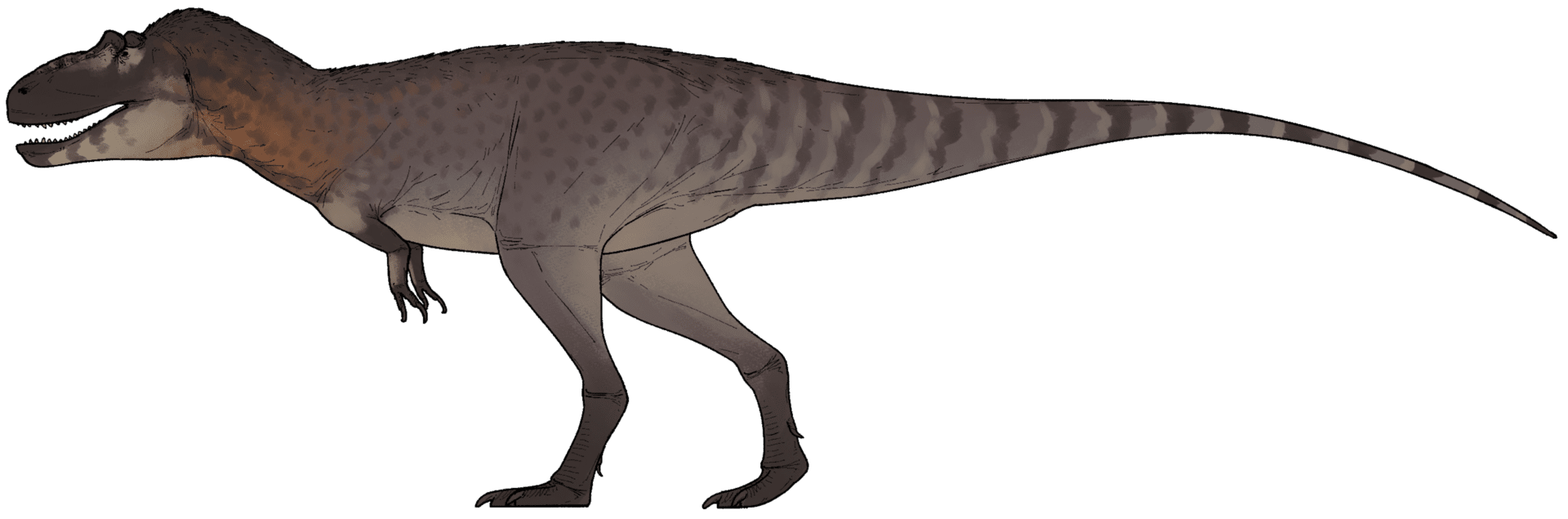
Meet Nanuqsaurus, a tyrannosaur from Alaska’s Prince Creek Formation whose size and status are still debated more than a decade after its naming.
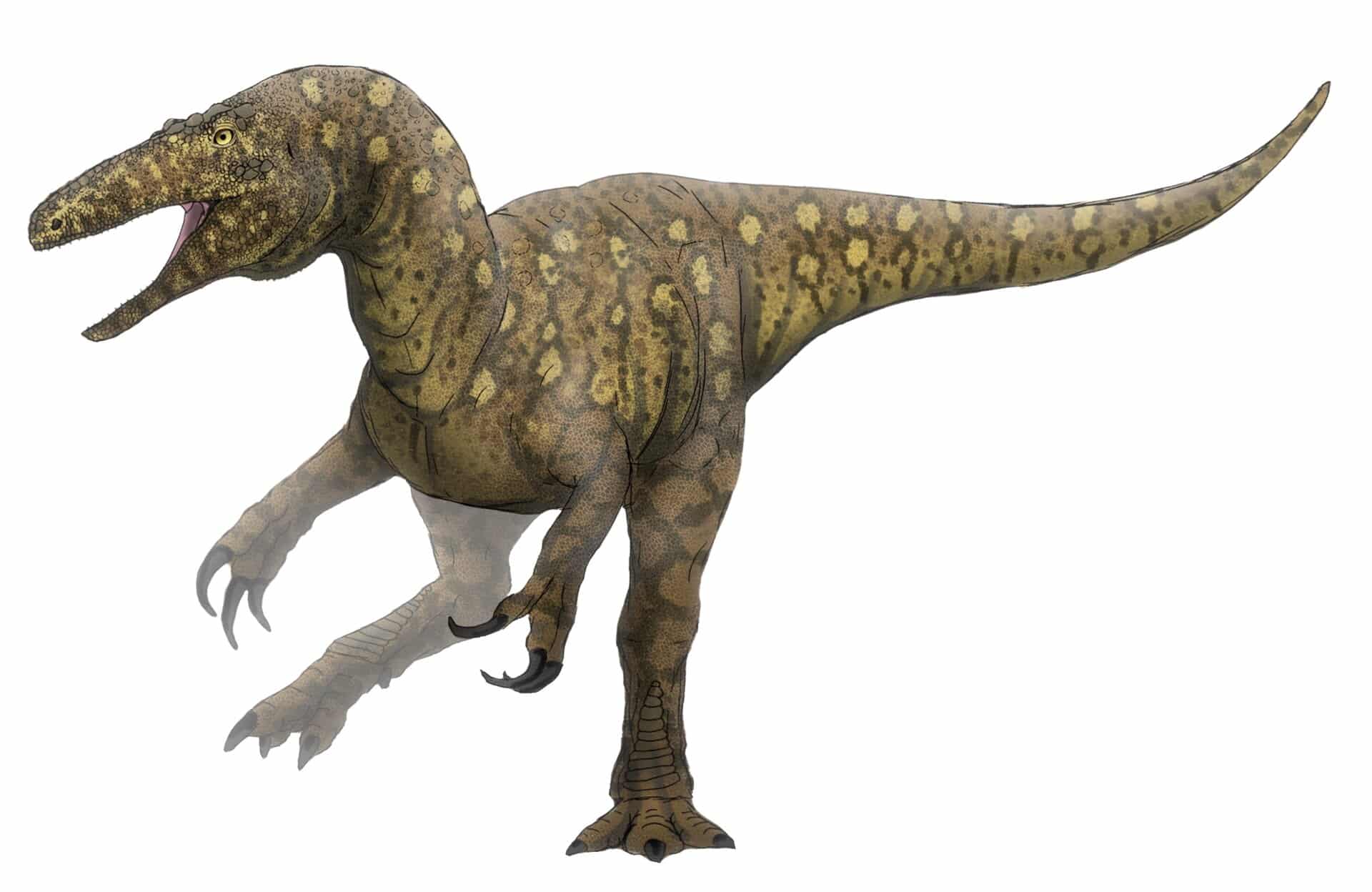
Meet Australovenator, a medium-sized predatory dinosaur from Queensland’s Winton Formation and the most complete theropod skeleton found in Australia.
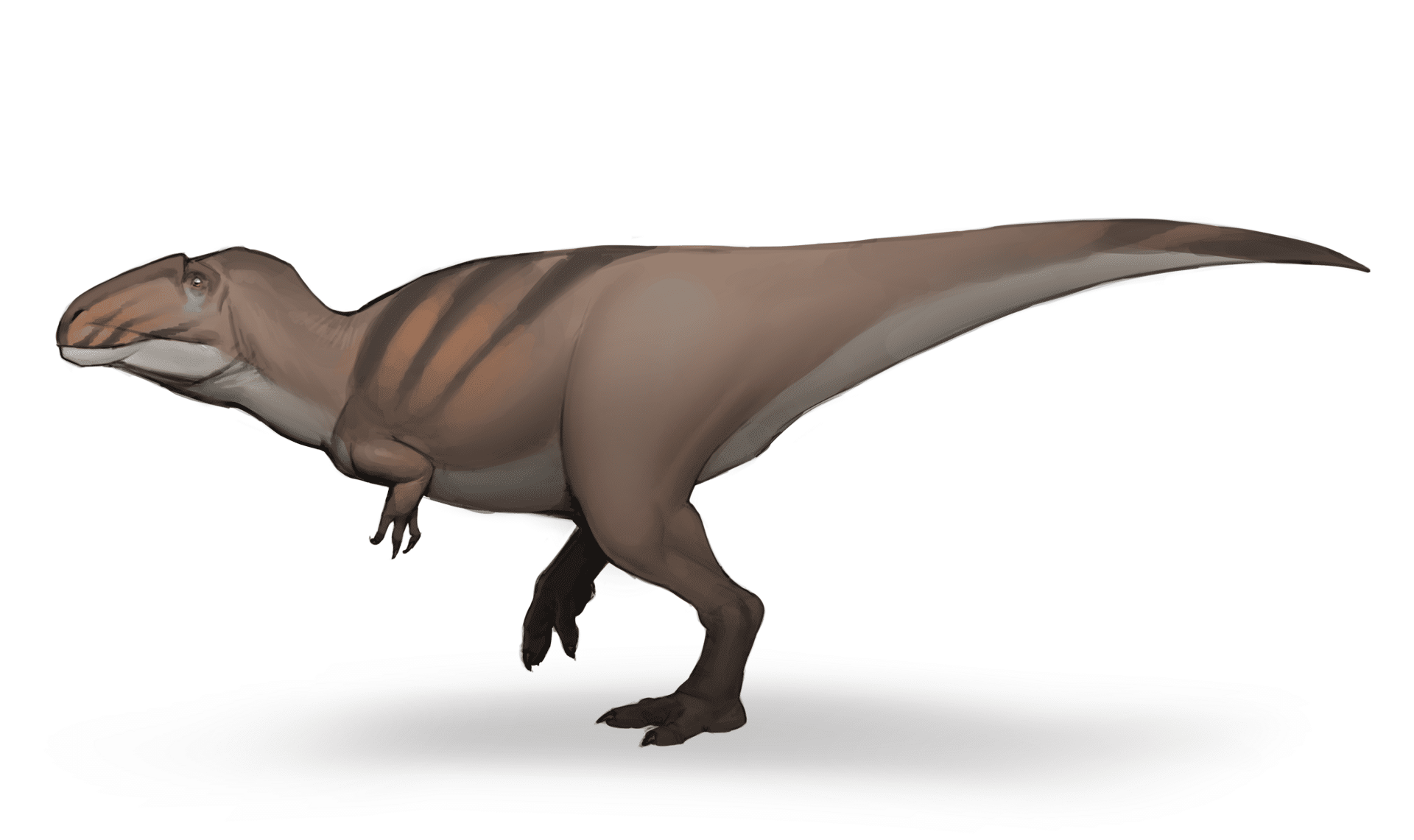
Meet Mapusaurus, a giant carcharodontosaurid from Argentina’s Huincul Formation, known from a bonebed holding at least seven individuals.
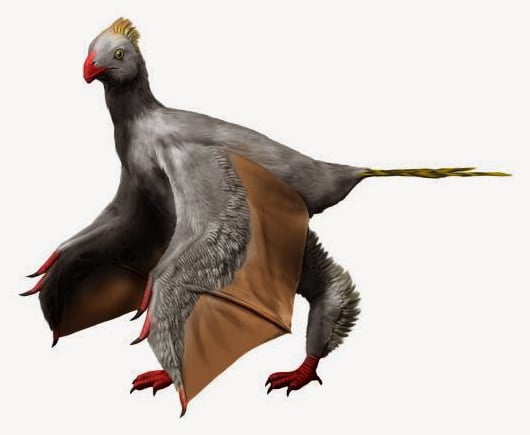
Meet Yi qi, a small Jurassic theropod from Hebei, China, with a rod-like wrist bone and membrane-like patches its describers read as membranous wings.
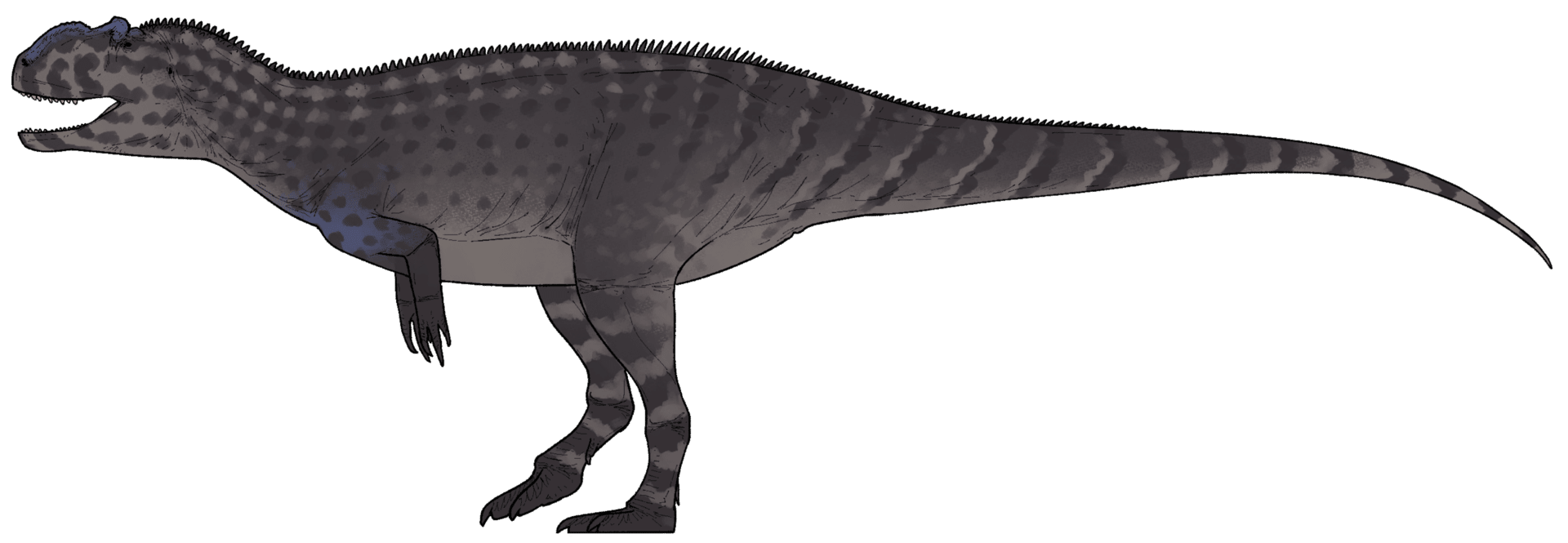
Meet Yangchuanosaurus, a large Jurassic predator from Sichuan, China, found nearly complete beside a reservoir dam in 1977.
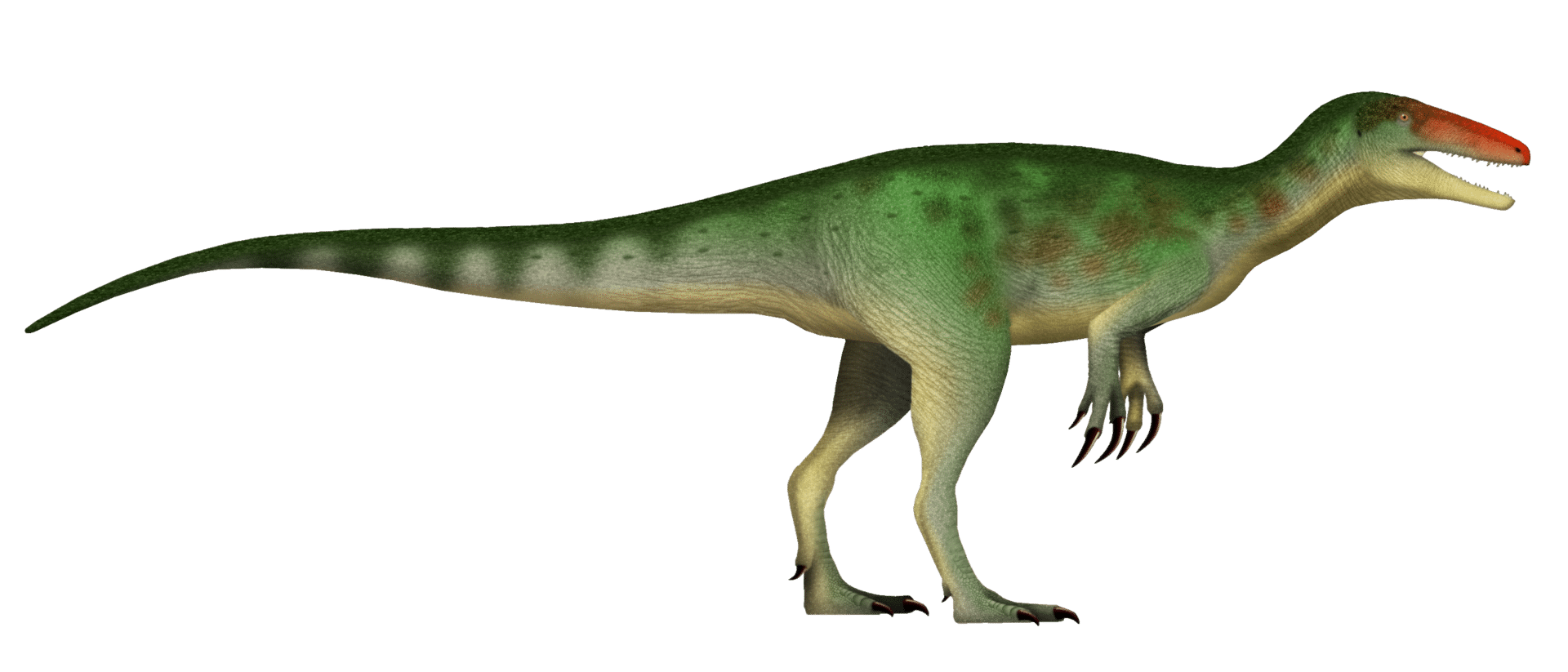
Meet Invictibellatrix, a small Isle of Wight predator its describers see as an early megaraptoran, known from one braincase held in London since 1924.
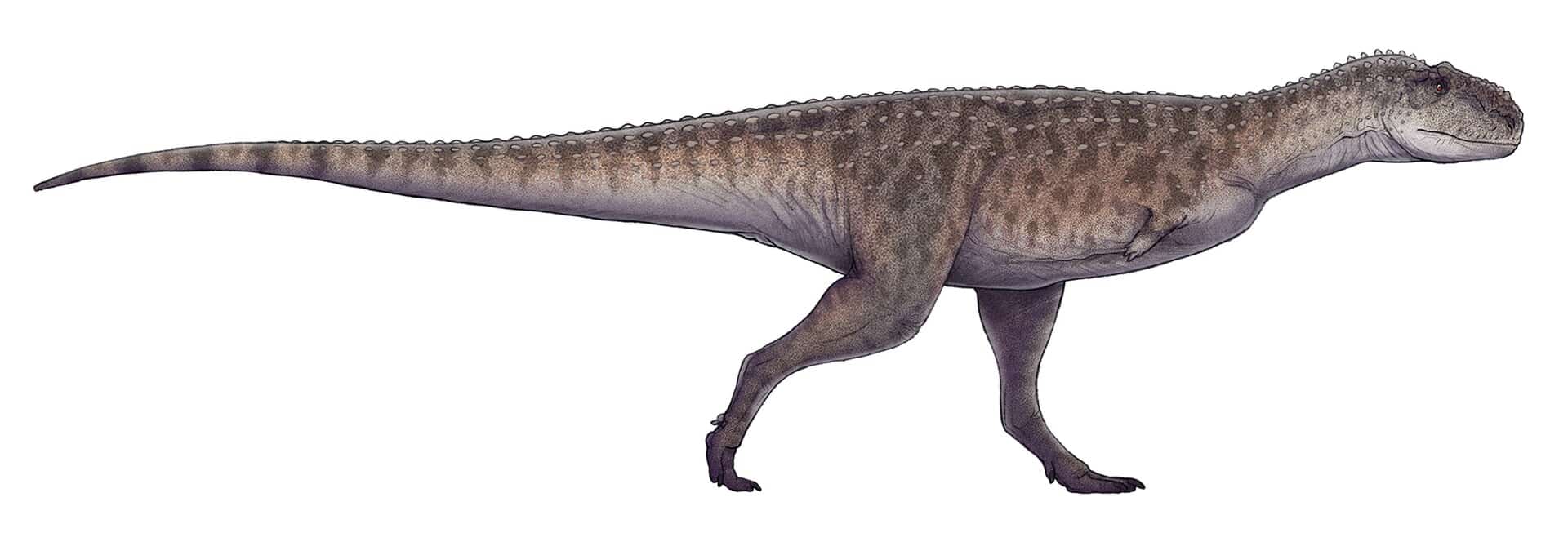
Meet Rajasaurus, a stocky, horned abelisaurid predator from the Lameta Formation of Gujarat, India, at the very end of the Cretaceous.
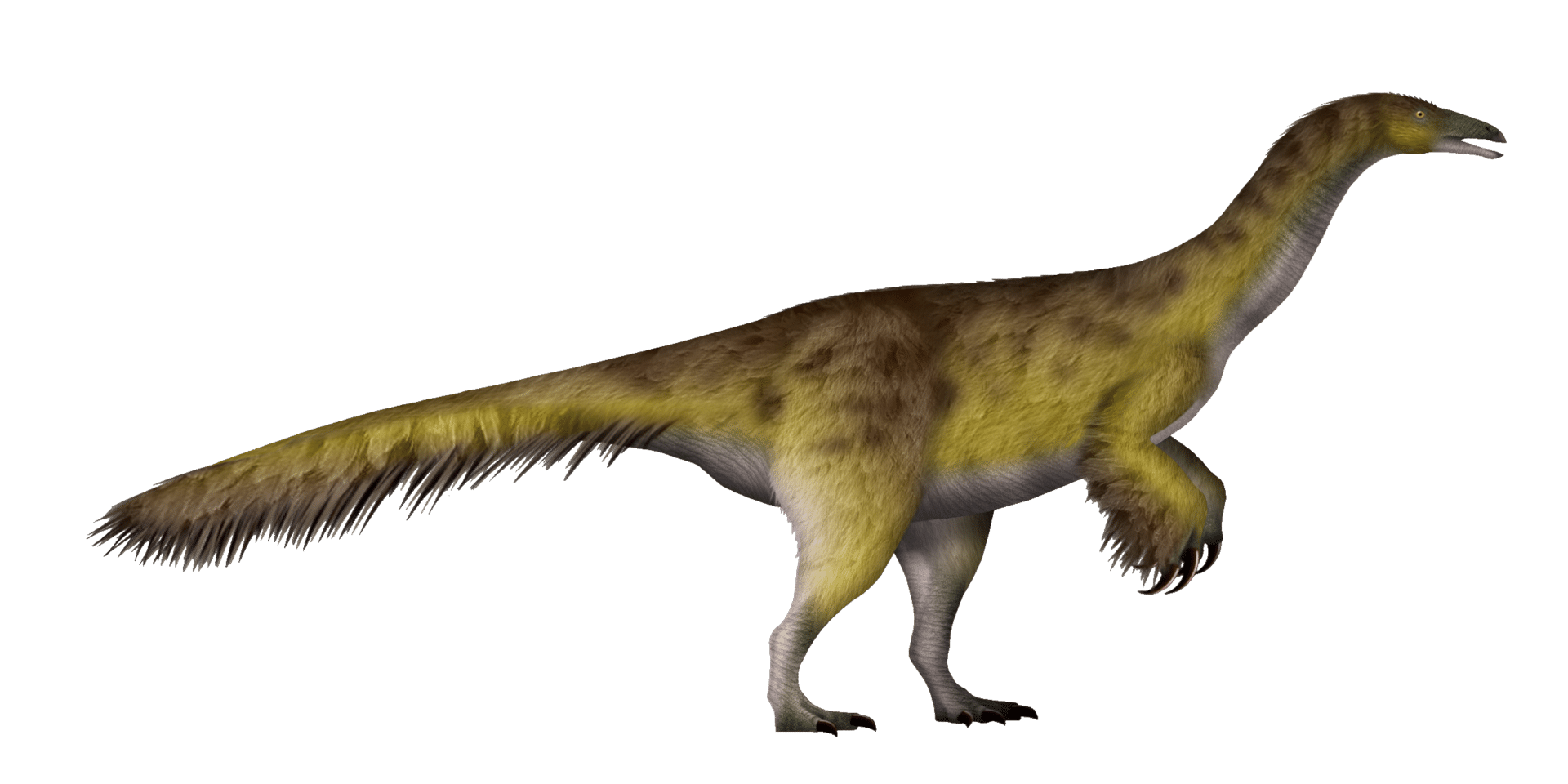
Meet Kayrasaurus, a newly named early therizinosaur from China’s Yixian Formation, with tiny packed teeth and a bigger body than its Jehol kin.
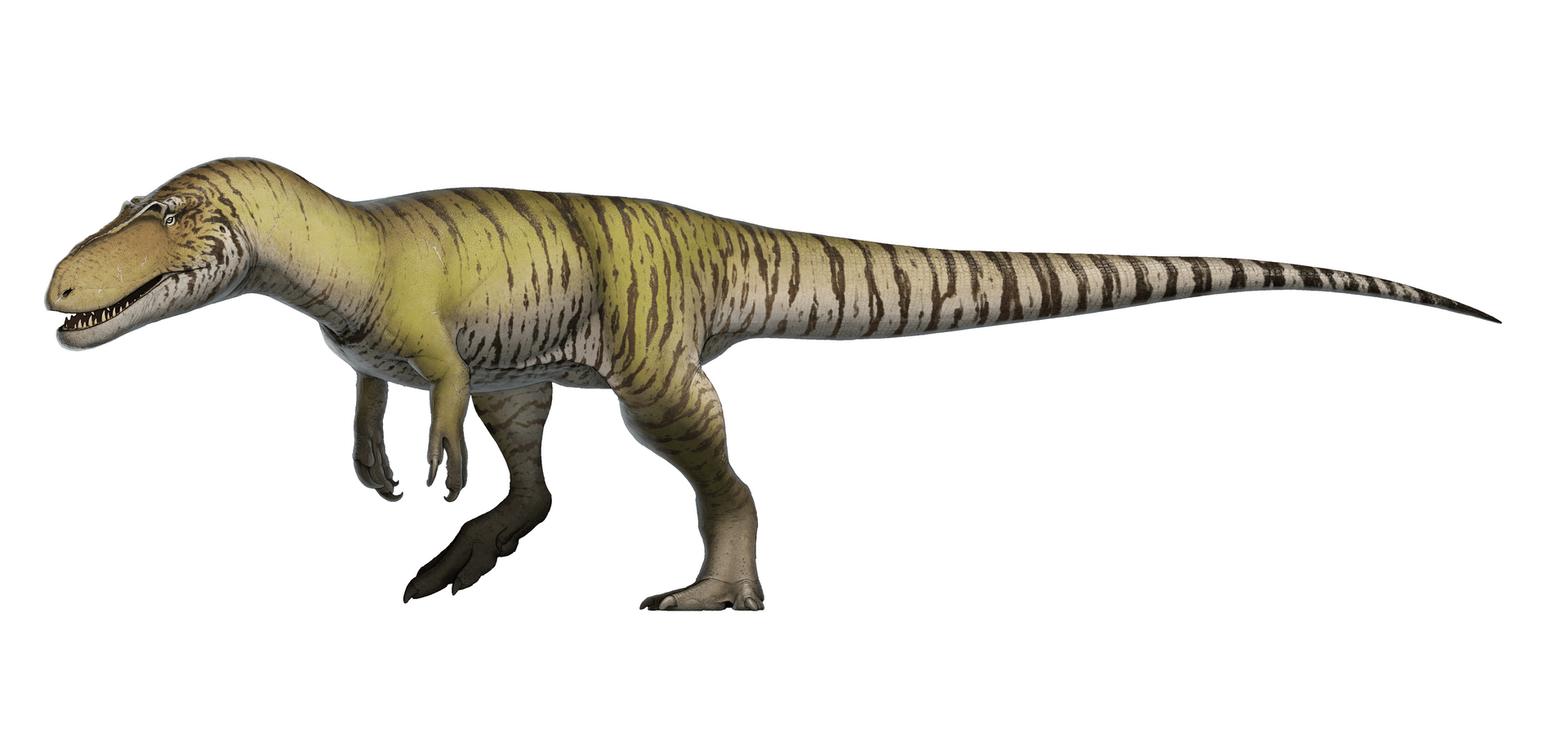
Meet Torvosaurus, a heavily built megalosaurid predator from the Late Jurassic of western Colorado, with a second species from Portugal.
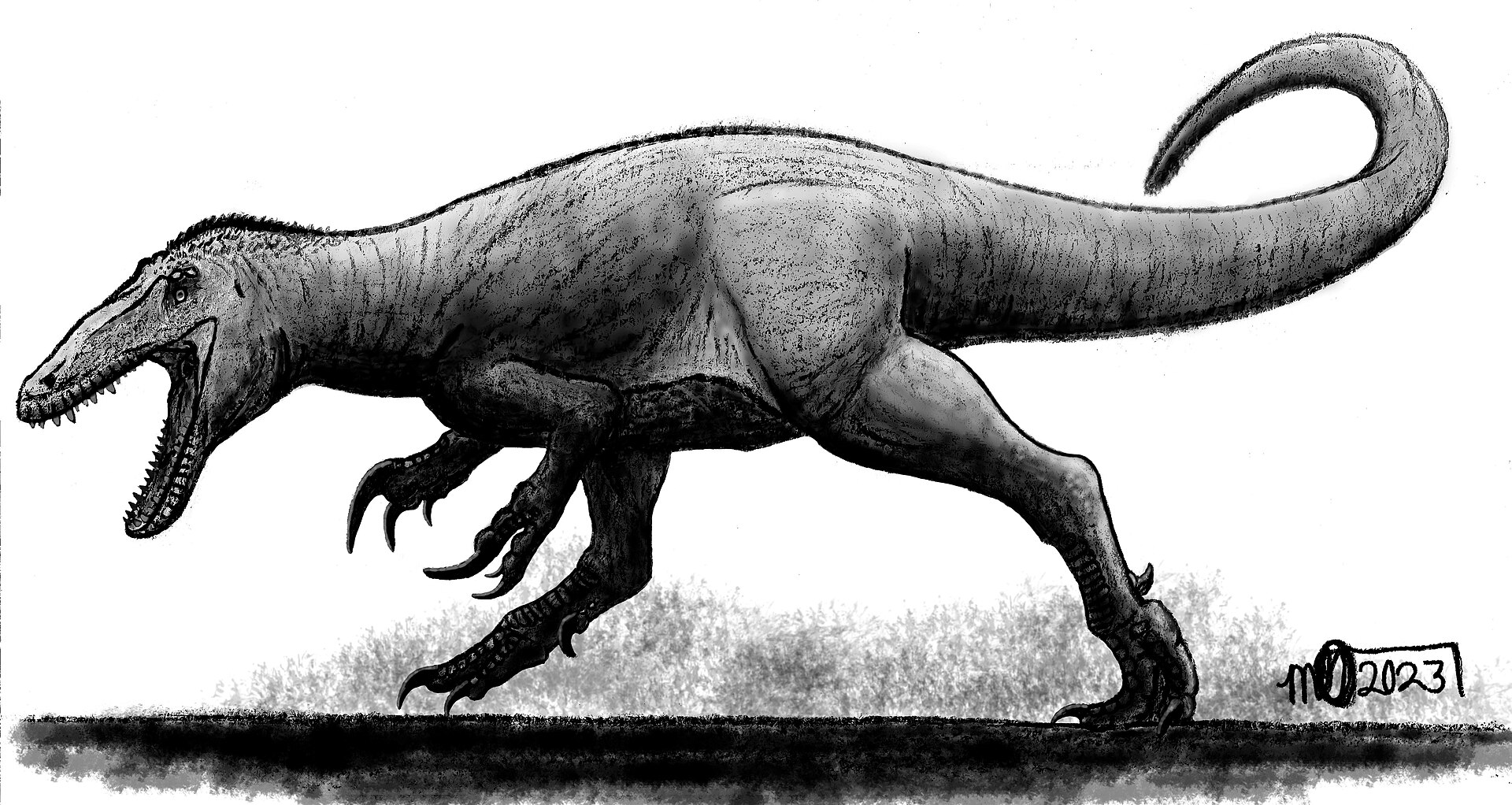
Maip macrothorax was a giant megaraptorid theropod from Argentina’s Late Cretaceous Chorrillo Formation, named for its enormous chest.
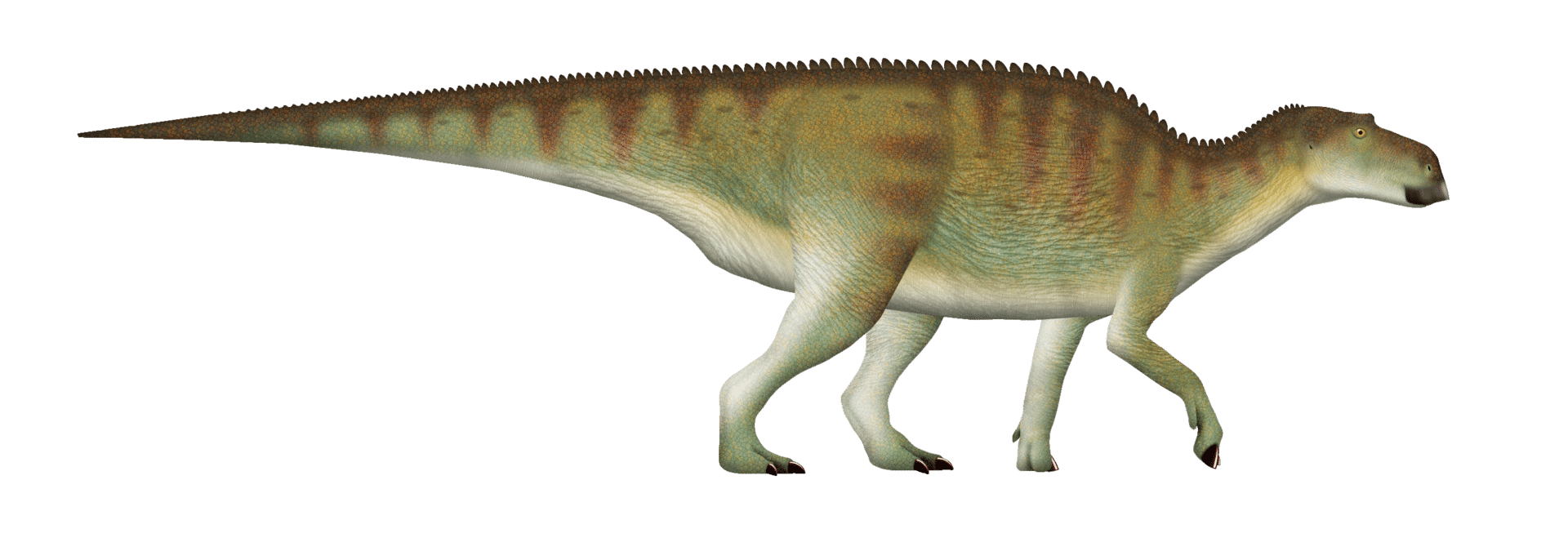
Meet Maiasaura, a duck-billed dinosaur from Montana’s Two Medicine Formation whose nest of babies reshaped ideas about dinosaur family life.
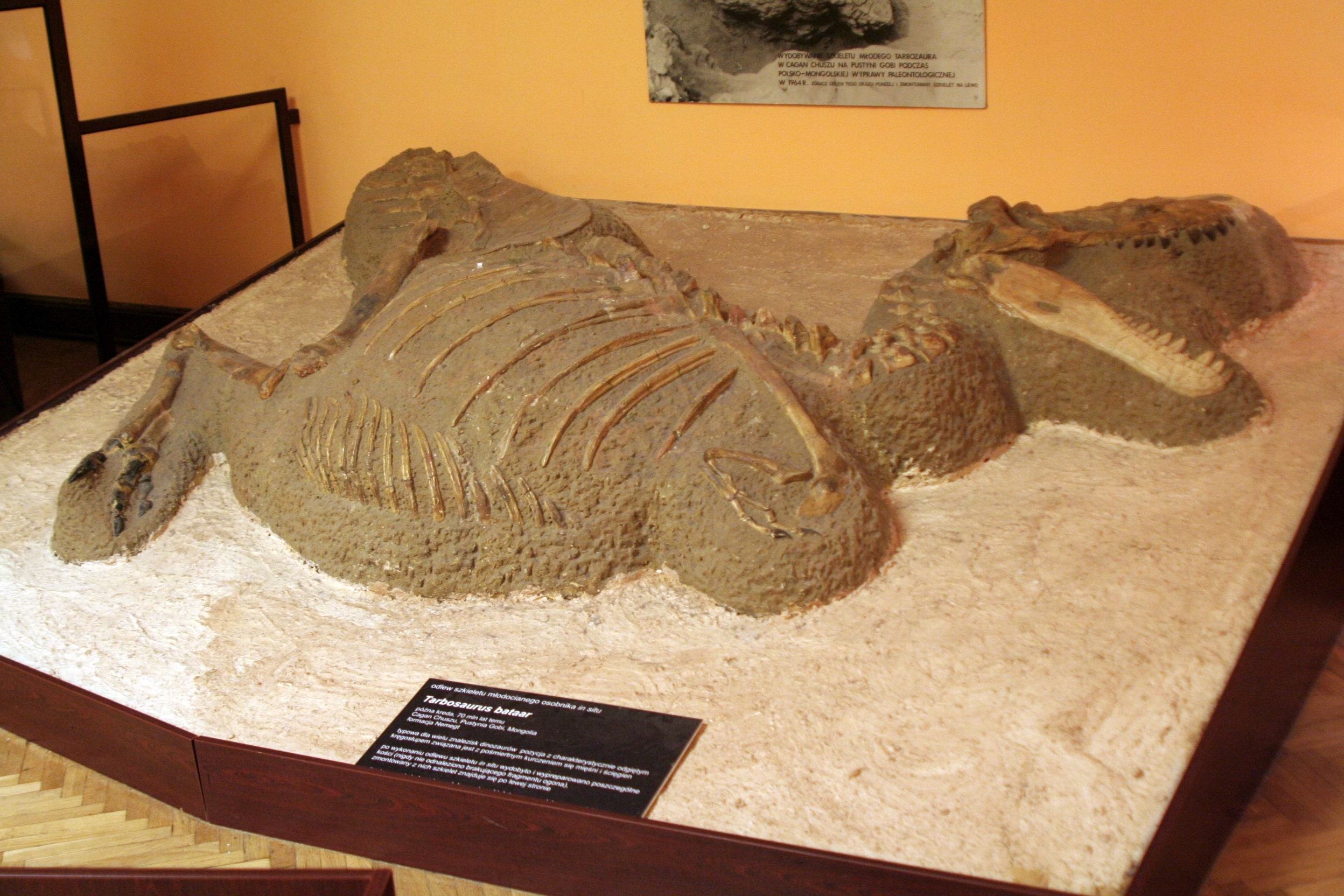
Meet Tarbosaurus, the giant tyrannosaur of Mongolia’s Nemegt Formation, first named in 1955 as an Asian species of Tyrannosaurus.
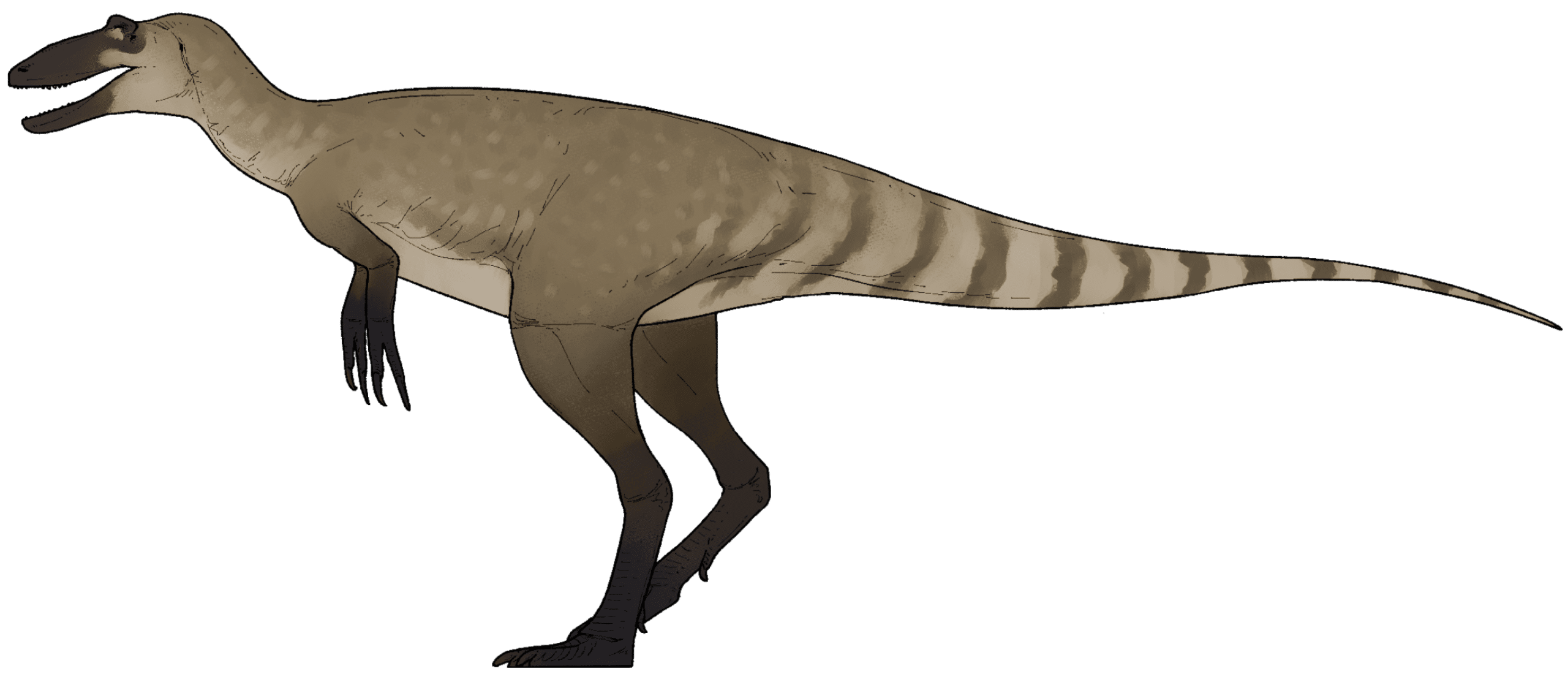
Nanotyrannus, a small tyrannosaur from Montana’s Hell Creek Formation, has been debated for decades as either a genus of its own or a young T. rex.
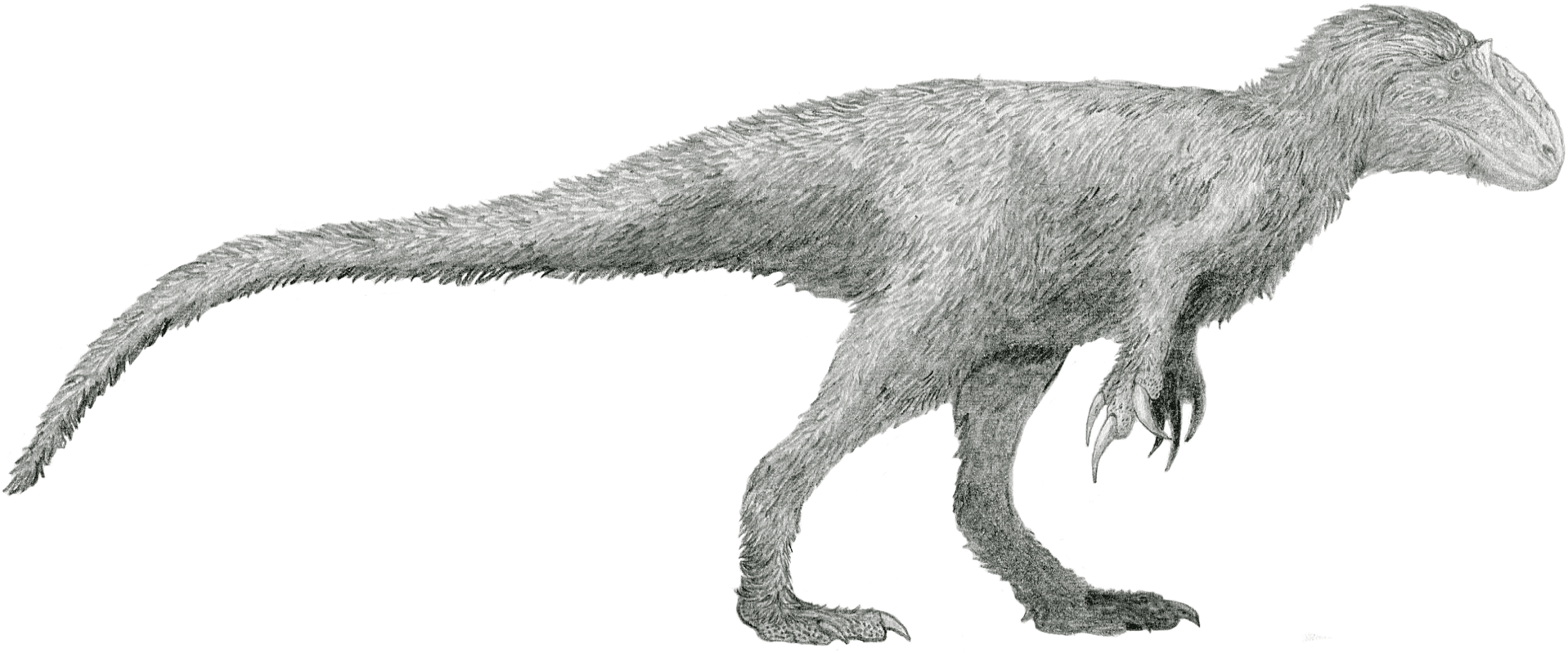
Meet Yutyrannus, a 9-meter tyrannosauroid from China’s Early Cretaceous whose fossils preserve long, filament-like feathers.
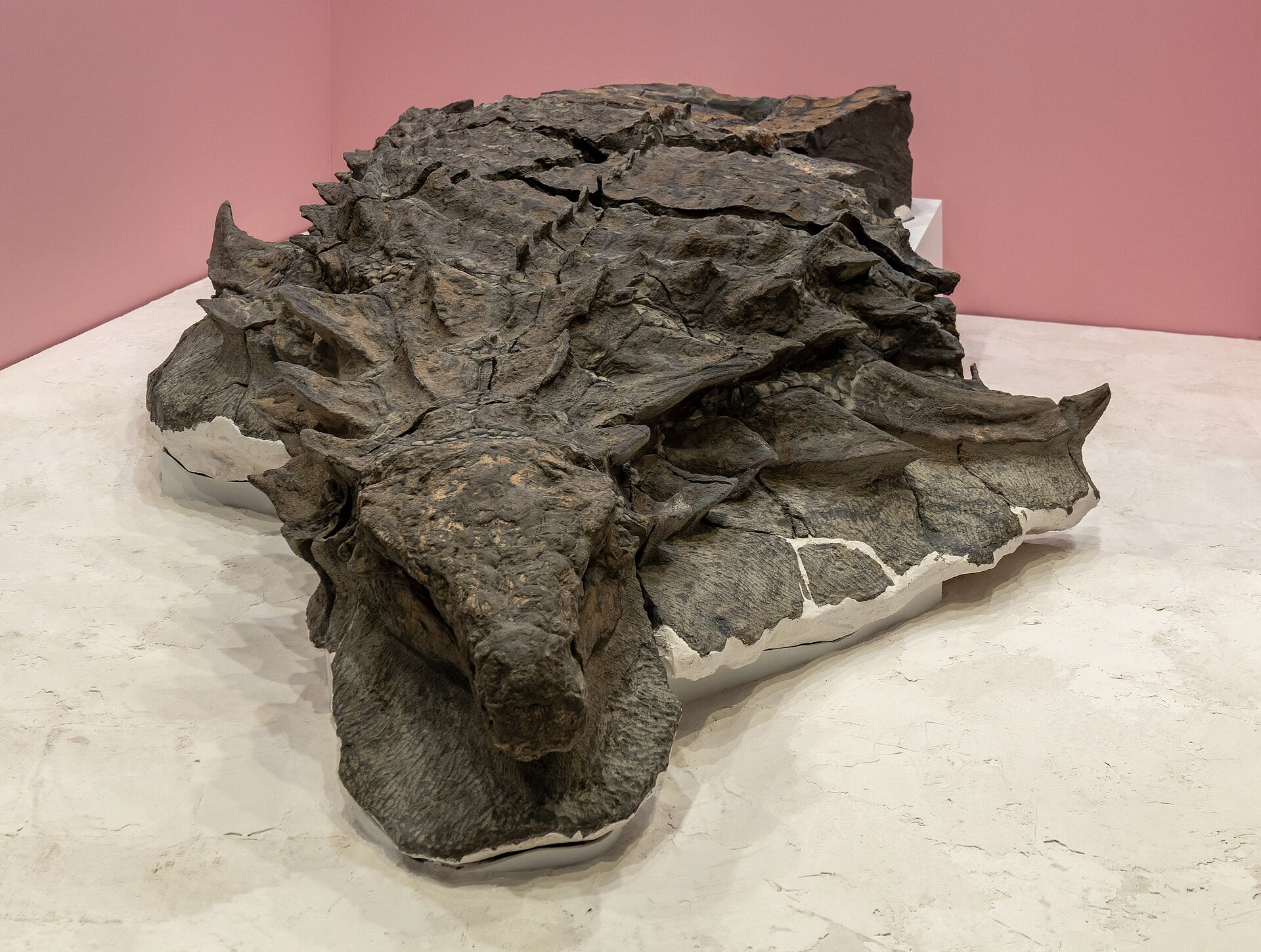
Meet Borealopelta, an armored nodosaur from Alberta’s oil sands whose skin, armor and last meal survived on an ancient seafloor.
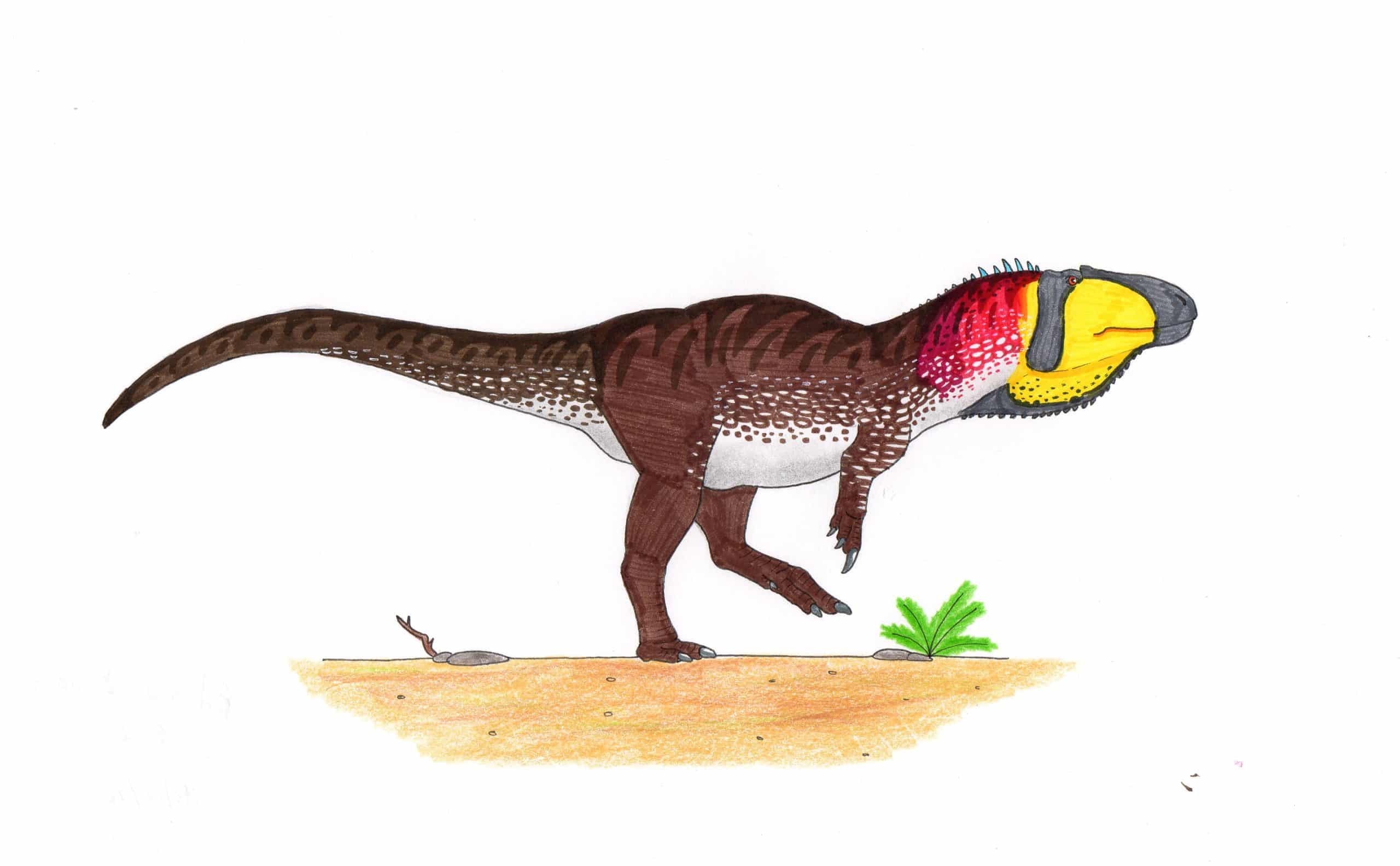
Meet Megalosaurus, a large Middle Jurassic predator from Stonesfield in Oxfordshire, named by William Buckland in 1824 as a “great Fossil Lizard.”
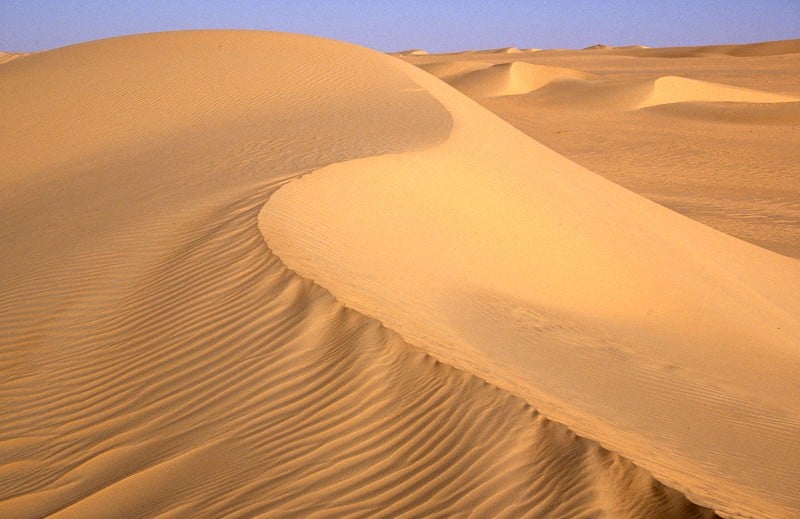
How a mapping geologist and uranium prospectors stumbled on Gadoufaoua, a mid-Cretaceous river world of Ouranosaurus, Suchomimus and a giant crocodyliform.
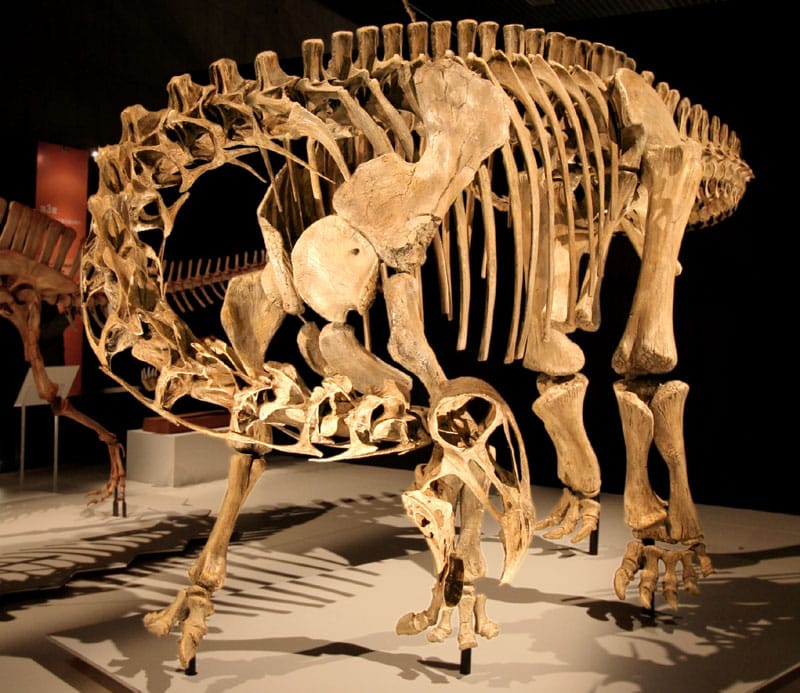
Meet Nigersaurus, a lightly built sauropod from Niger’s Early Cretaceous with a wide, square muzzle and hundreds of fast-replacing teeth.